HealthSurgeon - Healthy Living and Fitness - Purium Coupon
Primary Navigation Menu
Gain Muscle With Lentils These Are Full of Proteins
Plant-Based Protein Power: How Lentils Build Muscle
For vegetarians and anyone looking to reduce meat consumption, lentils offer an exceptional source of muscle-building protein. These nutrient-dense legumes pack nearly as much protein as red meat while providing additional fiber, minerals, and heart-healthy benefits without the saturated fat.
A single cup of cooked lentils contains approximately 18 grams of protein, along with iron, folate, and potassium. This makes them an ideal choice for muscle development and recovery, whether you’re following a vegetarian diet or simply diversifying your protein sources.
The Indian Diet Secret: Lentils as a Dietary Staple
In India, lentils (known as dal) have been a cornerstone of nutrition for centuries. Combined with whole grain chapati and vegetables, this traditional meal provides complete protein and sustained energy. The predominantly vegetarian Indian population thrives on this balanced approach to nutrition.
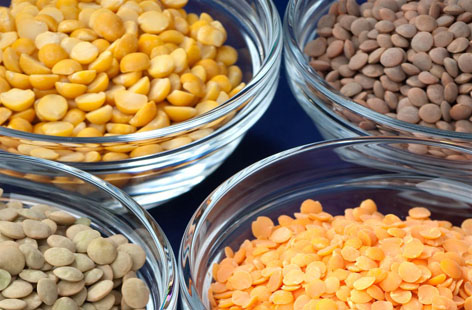
Different varieties of lentils—red, green, brown, and black—each offer unique flavor profiles and nutritional benefits. Red lentils cook quickly and are perfect for soups, while brown and green lentils hold their shape well in salads and side dishes.
Complete Nutrition for Muscle Growth
Building muscle requires more than just protein. Your body needs a comprehensive array of nutrients to support tissue repair, energy production, and recovery. Lentils provide an excellent foundation, but combining them with fruits and vegetables creates a complete nutritional powerhouse.
Research from University College London suggests consuming at least seven portions of fruits and vegetables daily for optimal health. These nutrient-rich foods provide vitamins, minerals, and antioxidants that support muscle function and overall wellness.
Cardiovascular Health and Exercise Performance
Regular cardiovascular exercise complements a protein-rich diet for optimal muscle development and heart health. Aim for at least three cardio sessions weekly to improve circulation, delivering nutrients more efficiently to your muscles and tissues.
A healthy resting heart rate of around 60-72 beats per minute indicates good cardiovascular fitness. This efficient heart function supports better nutrient delivery throughout your body, enhancing muscle recovery and growth.
Lentils vs. Red Meat: A Healthier Choice
While red meat provides complete protein, excessive consumption has been linked to increased cardiovascular disease risk and inflammation. Lentils offer a cleaner alternative, providing protein without the cholesterol and saturated fat found in animal products.
For those concerned about getting complete proteins, combining lentils with whole grains creates complementary amino acid profiles. This combination delivers all essential amino acids your body needs for muscle synthesis and repair.
Practical Ways to Add Lentils to Your Diet
Incorporating lentils into your meals is simple and versatile. Try lentil soup, dal curry, lentil salads, or even lentil-based burger patties. They’re affordable, easy to cook, and can be prepared in bulk for convenient meal prep throughout the week.
This website uses cookies to improve your experience. We'll assume you're ok with this, but you can opt-out if you wish.AcceptRejectRead More
Privacy & Cookies Policy
Privacy Overview
This website uses cookies to improve your experience while you navigate through the website. Out of these cookies, the cookies that are categorized as necessary are stored on your browser as they are essential for the working of basic functionalities of the website. We also use third-party cookies that help us analyze and understand how you use this website. These cookies will be stored in your browser only with your consent. You also have the option to opt-out of these cookies. But opting out of some of these cookies may have an effect on your browsing experience.