HealthSurgeon - Healthy Living and Fitness - Purium Coupon
Primary Navigation Menu
Health Benefits of Garlic: Nutrition Facts, Immune Support, Heart Health, and the Best Ways to Eat It
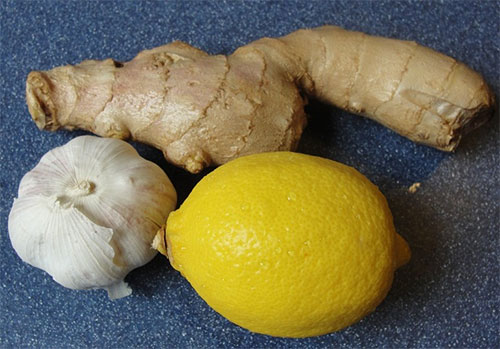
Garlic is one of the most beloved ingredients in the world—and it’s also one of the most studied foods in nutrition science. Beyond flavor, garlic contains unique sulfur compounds that help explain why it has a long history in traditional healing systems and why modern research keeps circling back to it for heart health, immune support, and overall wellness.
If you’re trying to improve your health through food, garlic is a simple, affordable “keystone” ingredient: it makes healthy meals taste better (which helps you stick with them), and it adds bioactive compounds you don’t get from many other foods. This article breaks down the top health benefits of garlic, what’s actually in it, how to use it for maximum nutrition, and who should be cautious.
Why Garlic Is Considered a “Functional Food”
A functional food is one that provides benefits beyond basic calories and macronutrients. Garlic fits that description because it contains organosulfur compounds—natural chemicals that form when garlic is chopped, crushed, or chewed. The most famous of these is allicin, which is responsible for garlic’s strong aroma and many of its biological effects.
Fiber and beneficial plant compounds (polyphenols)
But the real “star” is the sulfur chemistry that makes garlic unique.
1) Garlic May Support Heart Health
Heart health is one of the most common reasons people add garlic to their diet, and it’s supported by a growing body of research. Garlic’s compounds may help with several factors that influence cardiovascular risk.
Blood Pressure Support
Some studies suggest garlic supplementation can modestly reduce blood pressure, especially in people with elevated readings. Garlic appears to support the body’s ability to produce nitric oxide, a molecule that helps blood vessels relax and improves circulation.
Nutrition take-home: Garlic isn’t a replacement for blood pressure medication if you need it, but as part of a heart-healthy eating pattern, it may contribute to better vascular function.
Cholesterol and Triglycerides
Research is mixed, but garlic may modestly improve lipid profiles in some people—particularly total cholesterol and LDL cholesterol. The effect is usually not dramatic, but it can be meaningful as part of a broader plan that includes fiber-rich foods (beans, oats, vegetables), healthy fats (olive oil, nuts), and activity.
Nutrition take-home: Think of garlic as one “small lever” that supports the bigger system of heart-healthy habits.
Antimicrobial activity: allicin and related compounds can inhibit certain bacteria and fungi in laboratory settings.
Anti-inflammatory effects: garlic’s plant chemicals may influence inflammatory signaling pathways in the body.
Antioxidant support: garlic contributes compounds that help the body manage oxidative stress.
Nutrition take-home: Garlic can be part of an “immune-supportive” diet—especially when combined with overall dietary patterns rich in protein, zinc, vitamin C, and colorful plants.
3) Garlic May Help Lower Inflammation Over Time
Chronic low-grade inflammation is linked with many modern health issues, including cardiovascular disease, metabolic dysfunction, and some forms of arthritis. Garlic contains multiple compounds that may help modulate inflammatory processes.
The key point is not that garlic “cures inflammation,” but that it supports a diet pattern associated with better inflammatory balance—especially when garlic replaces heavily processed sauces and adds flavor to simple whole foods.
Nutrition take-home: Using garlic to make vegetables, beans, lean proteins, and whole grains taste better can indirectly reduce inflammation by improving diet quality.
4) Garlic Supports Gut Health (More Than You Might Think)
Garlic contains prebiotic fibers, including inulin and related compounds, which feed beneficial gut bacteria. A healthier gut microbiome is associated with better digestion, improved metabolic markers, and stronger gut barrier function.
People often focus on fermented foods for gut health, but prebiotic fibers are just as important—because probiotics need fuel.
Easy gut-health strategy: Add garlic regularly alongside onions, leeks, asparagus, oats, and beans to diversify the prebiotic fibers in your diet.
5) Garlic May Support Healthy Blood Sugar Regulation
Emerging research suggests garlic may have a helpful effect on blood sugar control, possibly through improvements in insulin sensitivity and inflammation. The impact tends to be modest, but it aligns well with the bigger goal: improving metabolic health through whole foods.
Nutrition take-home: Garlic is not a diabetes treatment, but it’s a smart ingredient in meals designed for steady energy—like high-fiber bowls, soups, and vegetable-forward dinners.
6) Garlic Makes Healthy Eating Easier (A Practical Benefit That Matters)
This is underrated: garlic is a “compliance tool.” Many people struggle to stick with healthier meals because they feel bland. Garlic adds depth and satisfaction without relying on excess sugar, heavy cream, or ultra-processed flavor enhancers.
Garlic helps you enjoy:
Roasted vegetables
Bean-based meals
Lean proteins
Whole grains
Homemade sauces and dressings
If garlic makes you look forward to meals, it indirectly supports weight management and long-term health—because consistency becomes easier.
How to Get the Most Benefits: Raw vs. Cooked Garlic
Garlic’s most famous compound, allicin, forms when garlic is chopped or crushed. Heat can reduce allicin levels, but cooked garlic still provides beneficial compounds.
The “Chop and Rest” Trick
For maximum allicin formation:
Chop or crush garlic
Let it sit for 10 minutes
Then cook or add to food
This resting time allows enzymes to create more allicin before heat slows the process.
Best Ways to Eat Garlic for Health
Add minced garlic to salad dressings, hummus, or yogurt dips
Stir into soups and stews near the end of cooking
Use roasted garlic spread on whole-grain toast
Add fresh garlic to sautéed greens after removing from heat
Blend into marinades for chicken, tofu, or fish
If raw garlic feels too strong, start with cooked forms and build up gradually.
How Much Garlic Should You Eat?
There’s no single perfect dose from food, but a practical goal is to include garlic in meals several times per week—or even daily if you enjoy it. Many studies on supplements use higher standardized doses, but food-based garlic still offers meaningful benefits, especially when it helps you eat more whole foods.
Simple habit: Aim for 1 clove a day (or a few cloves across the week) as part of meals.
Who Should Be Cautious With Garlic?
Garlic is safe for most people in culinary amounts, but a few situations deserve caution:
Digestive sensitivity: garlic is high in FODMAPs and can trigger symptoms in people with IBS.
Acid reflux: garlic can aggravate reflux in some individuals.
Blood thinners or upcoming surgery: garlic (especially in supplement form) may increase bleeding risk. Food amounts are usually fine, but it’s smart to ask your clinician if you use anticoagulants or have surgery scheduled.
Allergy (rare): true garlic allergy is uncommon but possible.
If garlic causes burning stomach pain, significant bloating, or reflux, try smaller amounts, cooked garlic, or infused garlic oil (often easier on digestion).
Here are health-oriented ways to use garlic without turning meals into heavy comfort food:
1) Garlic + Olive Oil Roasted Vegetables
Roast broccoli, carrots, or Brussels sprouts with olive oil and chopped garlic for a simple fiber-rich side.
2) Garlic Lentil Soup
Sauté onion and garlic, add lentils, broth, spices, and greens. High fiber, high protein, and very filling.
3) Garlic Yogurt Sauce
Mix Greek yogurt with minced garlic, lemon juice, salt, and herbs. Great on bowls, chicken, roasted veggies, or potatoes.
4) Garlic Bean Sauté
Warm white beans with garlic, olive oil, spinach, and chili flakes. Serve with brown rice or whole-grain bread.
5) Roasted Garlic Spread
Roast a whole head of garlic until soft, then spread on toast or mix into mashed cauliflower for a creamy feel without heavy ingredients.
The Bottom Line
Garlic is more than a flavor booster—it’s a nutrient-smart, research-supported food that can support heart health, immune function, gut health, and healthier inflammation balance. It’s not a cure-all, but it’s a powerful “small habit” ingredient that makes nutritious meals more enjoyable and sustainable. If you want to improve your health through food, building a consistent garlic habit is one of the simplest upgrades you can make.
This website uses cookies to improve your experience. We'll assume you're ok with this, but you can opt-out if you wish.AcceptRejectRead More
Privacy & Cookies Policy
Privacy Overview
This website uses cookies to improve your experience while you navigate through the website. Out of these cookies, the cookies that are categorized as necessary are stored on your browser as they are essential for the working of basic functionalities of the website. We also use third-party cookies that help us analyze and understand how you use this website. These cookies will be stored in your browser only with your consent. You also have the option to opt-out of these cookies. But opting out of some of these cookies may have an effect on your browsing experience.