HealthSurgeon - Healthy Living and Fitness - Purium Coupon
Primary Navigation Menu
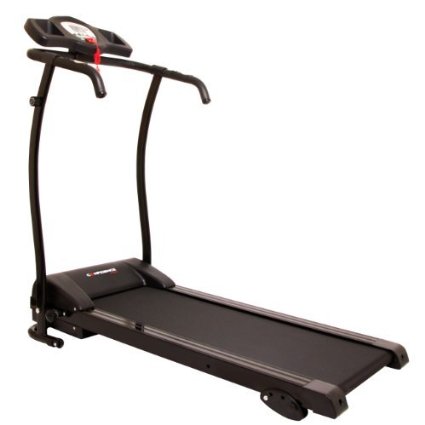
Confidence Gtr Power Pro Motorised Treadmill Review
How Home Treadmills Transform Your Fitness Routine
Walking is one of the most accessible and effective forms of exercise for maintaining cardiovascular health, managing weight, and improving overall fitness. While outdoor walking offers fresh air and scenery, a home treadmill provides consistency, convenience, and control over your workout environment regardless of weather conditions or time of day.
Research shows that walking 10,000 steps daily can burn approximately 400-600 calories depending on your weight, pace, and metabolism. For many people, achieving this goal through outdoor walking alone proves challenging due to weather constraints, safety concerns during early morning or evening hours, or simply time limitations.
The Benefits of Indoor Walking Equipment
A motorized treadmill offers several distinct advantages over outdoor walking. First, it provides climate-controlled exercise – you can walk comfortably year-round without concerns about rain, snow, extreme heat, or cold temperatures. This consistency helps maintain exercise habits, which is crucial for boosting your metabolism and achieving lasting fitness results.
Second, treadmills allow precise control over walking speed and incline. You can gradually increase intensity as your fitness improves, ensuring progressive overload for better strength and endurance development. The ability to adjust incline engages different muscle groups, particularly strengthening your glutes, hamstrings, and calves.
Third, home treadmills eliminate safety concerns associated with walking alone at night or in unfamiliar areas. You can exercise at any hour while watching television, listening to podcasts, or catching up on reading.
Key Features to Consider in a Treadmill
When selecting a treadmill for home use, several factors determine its effectiveness and longevity. Motor power is critical – look for models with motors capable of supporting your intended walking or running speeds. Entry-level treadmills typically offer speeds from 0.8 km/h to 12 km/h, which accommodates both gentle walking and light jogging.
The running surface dimensions matter significantly for comfort and safety. A platform measuring at least 40cm wide and 110cm long provides adequate space for most users to walk naturally without feeling constrained. Weight capacity is equally important – ensure the treadmill you choose supports at least 20 kilograms more than your current body weight to account for the impact forces generated during movement.
Incline capability adds versatility to your workouts. Manual incline adjustment with settings at 0%, 3.5%, and 7% grades allows you to simulate hill walking, which increases calorie burn and strengthens lower body muscles more effectively than flat walking.
Tracking Your Progress
Most treadmills include LCD displays showing time, distance, calories burned, and heart rate. However, the calorie calculations on these displays typically use standardized formulas based on average body weights (often around 68 kilograms). If your weight differs significantly from this baseline, the displayed calorie burn may not accurately reflect your actual energy expenditure.
To get precise measurements, consider pairing your treadmill with a fitness tracker or pedometer calibrated to your specific height, weight, and stride length. This combination provides accurate step counts and calorie burn data personalized to your body.
Maximizing Results with Treadmill Training
In a typical 30-minute session at 4.3 km/h (moderate walking pace), you can accumulate approximately 3,200 steps while burning 150-250 calories depending on your body weight and the incline setting used. This represents roughly one-third of the recommended daily step goal, making treadmill walking an efficient way to supplement your overall activity level.
For weight loss purposes, combining treadmill exercise with proper nutrition creates the caloric deficit necessary for fat reduction. Consider pairing your walking routine with nutrient-dense eating strategies and staying well-hydrated throughout the day.
Consistency matters more than intensity when starting a treadmill program. Begin with comfortable 15-20 minute sessions and gradually increase duration and speed as your cardiovascular endurance improves. This progressive approach helps prevent injury while building sustainable exercise habits.
Creating a Complete Home Fitness Strategy
While treadmills excel for cardiovascular conditioning, a well-rounded fitness program should include strength training and flexibility work. Consider complementing your walking routine with recovery practices that support muscle repair and reduce injury risk.
Proper nutrition plays an equally important role in fitness success. Ensure adequate protein intake to support muscle maintenance, consume plenty of nutrient-rich whole foods, and maintain consistent hydration habits. Some people find that natural supplements like omega-3 fatty acids support joint health and reduce inflammation associated with regular exercise.
Cost-Effective Fitness Investment
Entry-level motorized treadmills typically cost between -, making them accessible alternatives to gym memberships. When evaluated over several years of use, a home treadmill often proves more economical than monthly gym fees while offering the convenience of immediate access without travel time.
The key to success with any home fitness equipment is consistency. Place your treadmill in a location you pass frequently, keep it readily accessible rather than storing it away, and schedule walking sessions just as you would any other important appointment. These habits transform exercise from an occasional activity into a sustainable lifestyle practice.
This website uses cookies to improve your experience. We'll assume you're ok with this, but you can opt-out if you wish.AcceptRejectRead More
Privacy & Cookies Policy
Privacy Overview
This website uses cookies to improve your experience while you navigate through the website. Out of these cookies, the cookies that are categorized as necessary are stored on your browser as they are essential for the working of basic functionalities of the website. We also use third-party cookies that help us analyze and understand how you use this website. These cookies will be stored in your browser only with your consent. You also have the option to opt-out of these cookies. But opting out of some of these cookies may have an effect on your browsing experience.