HealthSurgeon - Healthy Living and Fitness - Purium Coupon
Primary Navigation Menu
10 Signs and Symptoms of Having Damaged Liver
Understanding Liver Damage: 10 Warning Signs
The liver is your body’s largest internal organ, performing over 500 essential functions including detoxifying blood, producing bile for digestion, storing glycogen for energy, and synthesizing proteins. Despite its critical role, liver disease has become the 7th leading cause of death in the United States. The challenge is that early-stage liver disease often develops silently, making awareness of warning signs crucial for early intervention.
According to Mayo Clinic, recognizing symptoms early can make a significant difference in treatment outcomes. The Cleveland Clinic notes that by the time liver damage becomes obvious, significant harm may already be done.
10 Signs and Symptoms of Liver Damage
1. Persistent Fatigue and Weakness
Unexplained exhaustion is often the earliest sign of liver dysfunction. When your liver isn’t processing toxins efficiently, your body has to work harder, leading to chronic tiredness.
2. Dark Urine
Dark yellow or brown urine indicates excess bilirubin in your bloodstream—a sign your liver may not be processing this waste product properly.
3. Pale or Clay-Colored Stool
Healthy stool gets its brown color from bile. Pale stools suggest a bile duct problem or that your liver isn’t producing enough bile.
4. Jaundice (Yellowing of Skin and Eyes)
This classic symptom occurs when bilirubin accumulates in the body. Even mild yellowing warrants immediate medical attention.
5. Abdominal Swelling and Pain
Pain in the right upper abdomen or swelling (ascites) can indicate liver inflammation or fluid buildup caused by reduced liver function.
6. Easy Bruising and Bleeding
The liver produces clotting factors. When damaged, it can’t make these proteins efficiently, leading to unexplained bruising or prolonged bleeding.
7. Persistent Itchy Skin
Bile salt deposits under the skin cause pruritus—intense itching without visible rash. This can occur even before other liver symptoms appear.
8. Swelling in Legs and Ankles
Edema in the lower extremities happens when the liver can’t produce enough albumin, a protein that maintains fluid balance in the bloodstream.
9. Loss of Appetite and Nausea
Digestive disturbances, nausea, and loss of appetite are common as the liver’s bile production becomes impaired.
10. Spider Angiomas and Red Palms
Small spider-like blood vessels on the skin (spider angiomas) and redness on the palms (palmar erythema) are telltale signs of chronic liver disease.
When to See a Doctor
Don’t wait for symptoms to worsen. If you have risk factors—such as alcohol consumption, family history of liver disease, obesity, or hepatitis exposure—regular screening is essential. Early detection can prevent progression to cirrhosis or liver failure.
Supporting Liver Health
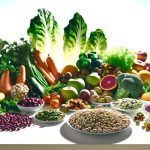
While medical care is paramount, supporting your liver through nutrition can play a complementary role.
provides chlorophyll and phytonutrients that support natural detoxification processes, while
delivers antioxidants that may help protect liver cells from oxidative stress.
This website uses cookies to improve your experience. We'll assume you're ok with this, but you can opt-out if you wish.AcceptRejectRead More
Privacy & Cookies Policy
Privacy Overview
This website uses cookies to improve your experience while you navigate through the website. Out of these cookies, the cookies that are categorized as necessary are stored on your browser as they are essential for the working of basic functionalities of the website. We also use third-party cookies that help us analyze and understand how you use this website. These cookies will be stored in your browser only with your consent. You also have the option to opt-out of these cookies. But opting out of some of these cookies may have an effect on your browsing experience.