
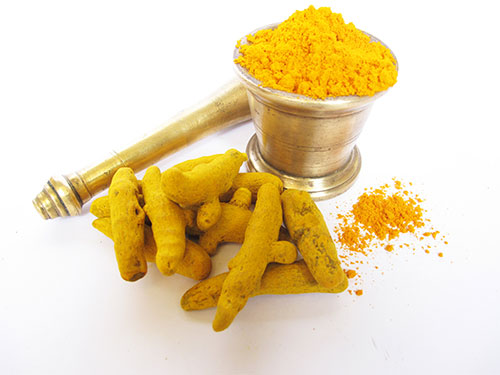
Turmeric and Brain Health: How Curcumin Supports Cognitive Function and Repair
Turmeric has been used in traditional medicine for thousands of years, but modern neuroscience is now revealing what ancient healers instinctively understood. The active compound curcumin has remarkable effects on brain health, from promoting neural repair to protecting against age-related cognitive decline.
The Science Behind Curcumin and the Brain
Curcumin crosses the blood-brain barrier, a feat many compounds cannot achieve. Once there, it boosts levels of Brain-Derived Neurotrophic Factor (BDNF), a protein essential for the growth and survival of neurons. Low BDNF levels are linked to depression, Alzheimer’s disease, and accelerated brain aging.
Research published in the American Journal of Geriatric Psychiatry found that adults who took curcumin supplements for 18 months showed significant improvements in memory and attention compared to placebo groups. Brain scans revealed less amyloid and tau buildup, the proteins associated with Alzheimer’s disease.
Key Brain Benefits of Turmeric
1. Promotes Neural Regeneration
Aromatic turmerone, another compound in turmeric, stimulates stem cell growth in the brain. This means turmeric does not just protect existing brain cells but may help the brain create new ones, a process called neurogenesis that was once thought impossible in adult brains.
2. Reduces Brain Inflammation
Chronic neuroinflammation is a driver of cognitive decline, depression, and neurodegenerative diseases. Curcumin is a potent anti-inflammatory that targets multiple inflammatory pathways simultaneously, offering broader protection than most single-target medications.
3. Powerful Antioxidant Protection
Oxidative damage accelerates brain aging. Curcumin neutralizes free radicals directly while also boosting your body’s own antioxidant enzymes. This dual action provides comprehensive protection for cellular health throughout the nervous system.
4. Supports Memory and Mood
By increasing BDNF and serotonin levels, curcumin improves both memory formation and emotional well-being. Multiple clinical trials have shown it can be as effective as some antidepressants for mild depression, without the common side effects.
How to Maximize Absorption
Curcumin is poorly absorbed on its own. To get meaningful benefits, combine turmeric with black pepper (piperine increases absorption by 2,000%) and a healthy fat source. Golden milk made with turmeric, black pepper, and coconut oil is one of the most effective delivery methods.
Supplemental forms like curcumin phytosome or nano-curcumin offer dramatically improved bioavailability for those who want consistent therapeutic doses.
Incorporating Turmeric Into Your Diet
Beyond supplements, add turmeric generously to soups, curries, smoothies, and roasted vegetables. Pair it with other brain-boosting herbs for synergistic effects. Even a daily turmeric tea with pepper and honey can contribute to long-term cognitive health.
A diet rich in anti-inflammatory and antioxidant-rich foods like oranges, leafy greens, and colorful vegetables alongside turmeric creates a powerful foundation for brain health at any age.
Important Considerations
- Consult your doctor if you take blood thinners, as curcumin has mild anticoagulant properties
- High-dose supplements may cause digestive upset in some people
- Pregnant women should stick to culinary amounts rather than supplements
- Results typically appear after 4-8 weeks of consistent daily use
Sources
- PubMed – Memory and Brain Amyloid Effects of Curcumin (2018)
- NIH – Curcumin: A Review of Its Effects on Human Health
Related Health Articles
Explore more on brain and body health with our articles on thyroid function and health, growing medicinal herbs at home, and understanding neurological conditions.