HealthSurgeon - Healthy Living and Fitness - Purium Coupon
Primary Navigation Menu
Side Effects of The Weetabix Diet Plan to Lose Weight
The Hidden Risks of the Weetabix Diet Plan
We’ve all seen the headlines. Lose 10 pounds in one week with just cereal. It sounds almost too good to be true because, well, it usually is. The Weetabix diet plan has been circulating as a quick-fix weight loss solution, and on paper it seems reasonable — cereal is breakfast, right? Breakfast is important, right? What could go wrong?
Actually, quite a bit. Let’s talk about what the Weetabix diet really involves, why it’s not as healthy as it sounds, and what might happen if you follow it without understanding the risks.
What Is the Weetabix Diet, Anyway?
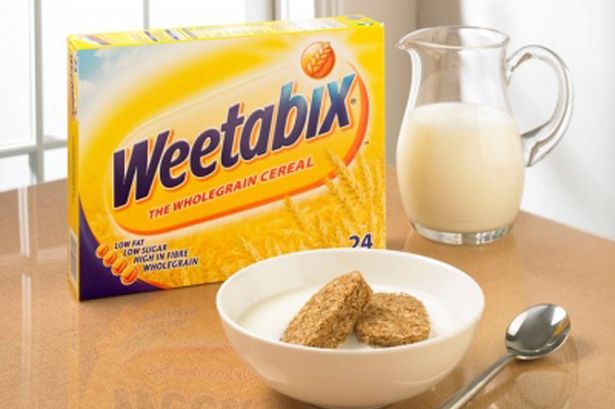
The plan is simple enough: replace most of your meals with Weetabix cereal. Typically that means 2-3 servings a day, often paired with fruit, skim milk, or vegetables. It’s marketed as a “healthy” and “simple” weight loss plan because, well, cereal is food, and food should be healthy. Except when it becomes your only food, the picture changes dramatically.
The promised results? 5-10 pounds in the first week. Which sounds great until you realize that most of that is water weight. Your body dumps glycogen stores when you slash calories, and glycogen holds onto water. Lose the glycogen, lose the water. The actual fat loss in week one is usually nowhere near 10 pounds. UPMC’s coverage of calorie-restricted fad diets explains why this initial rapid loss is misleading and unsustainable(UPMC).
The Good News: Weetabix Is Actually Nutritious
Before we dive into the problems, let’s be fair to Weetabix. It’s not junk food. Two biscuits contain about 130-136 calories, 3.8 grams of fiber, 4-4.5 grams of protein, and only 0.8 grams of fat. It’s 89-95% whole grain wheat, fortified with B vitamins and iron. The fiber content supports digestive health, and the low energy density means you can eat a decent volume for relatively few calories.
The problem isn’t Weetabix itself. The problem is treating it as a replacement for a balanced diet rather than one component of one.
What Goes Wrong When You Rely on It Too Much
Nutritional deficiencies are the most immediate concern. Weetabix simply doesn’t provide adequate protein for muscle preservation, and it’s essentially zero in healthy fats. Your body needs omega-3 fatty acids, vitamin E, calcium, magnesium, and zinc — and none of those are in significant amounts in a bowl of cereal. When you replace lunch and dinner with Weetabix, you’re missing out on entire food groups your body depends on. U.S. News Health highlights these nutritional gaps as a primary risk of extreme dieting(U.S. News Health).
Here’s a detail most people miss: the iron in Weetabix is non-heme iron (plant-based), and calcium-rich milk can actually block its absorption. So even though the box says “fortified with iron,” your body might not be getting as much as you’d think.
Metabolic Slowdown
When you dramatically reduce calories, your body doesn’t just burn fat — it adapts. Metabolic rate drops. Your body becomes more efficient at using fewer calories, meaning you burn less at rest. And here’s the uncomfortable part: when calories are extremely low, the body may start breaking down muscle tissue for energy, not fat. Muscle is metabolically expensive tissue. Lose muscle, and your metabolism slows further.
Healthline’s analysis of calorie restriction risks explains how this metabolic adaptation makes it significantly harder to lose weight the longer you stay on a very low-calorie plan(Healthline). It’s not your willpower failing — it’s biology doing exactly what it evolved to do.
Digestive and Blood Sugar Issues
High fiber is generally good. But when you’re eating high-fiber Weetabix all day without variety, you can experience bloating, gas, and discomfort. The gut microbiome thrives on dietary diversity, and restricting yourself to one or two foods starves off the diverse bacterial communities that keep your gut healthy.
Blood sugar swings are another concern. Weetabix has a moderate-to-high glycemic index. Without protein and fat to pair with it, your blood sugar spikes and then crashes. That mid-morning energy slump? That’s the blood sugar crash talking. Dr. Duane Mellor, a registered dietitian, has pointed out that rolling wheat grains in Weetabix digest relatively rapidly, making blood sugar management trickier without the buffer of protein and fat.
The Psychological Toll
This is the part nobody talks about. Rigid food rules — even well-intentioned ones — can trigger a binge-restrict cycle. When you label foods as “good” or “bad” and follow an extreme plan, food starts to feel like a moral issue rather than fuel. Food obsession, guilt around “forbidden” foods, and an unhealthy relationship with eating can develop over time. Kathleen Zelman from the Academy of Nutrition and Dietetics has warned about these psychological impacts of restrictive eating patterns.
What About the Rebound?
Here’s the statistic that should give anyone pause: roughly 95% of people on fad diets regain their weight within 1-5 years. The rapid weight loss from extreme approaches like the Weetabix diet is often water and muscle, not fat. And yo-yo dieting — losing and regaining repeatedly — can permanently lower your metabolic rate over time.
UPMC’s research on this topic makes it clear: the fastest weight loss is rarely the most sustainable(UPMC). Sustainable weight loss — the kind that stays off — typically happens at a rate of 0.5-1kg (1-2 lbs) per week.
How to Do It Right
So should you never eat Weetabix again? Absolutely not. It’s a nutritious whole-grain cereal. The key is balance and variety.
Use Weetabix as part of a balanced breakfast, not the entire diet. Add Greek yogurt, nuts, or eggs for protein. Include colorful vegetables and diverse fruits throughout the day. Aim for gradual, sustainable weight loss rather than rapid results. Focus on whole foods and enjoy them — don’t treat eating like a punishment.
If you’re struggling with your relationship with food or considering a very restrictive diet, talk to a registered dietitian before you start. Warning signs like fatigue, dizziness, hair loss, or menstrual irregularities mean you should seek professional guidance immediately. If you have diabetes, an eating disorder history, or other medical conditions, medical supervision is essential.
Weetabix is a nutritious whole-grain cereal. Using it as the foundation of a meal-replacement diet plan carries significant risks. The key is balance — enjoy it as part of a varied, nutrient-dense diet, not as a silver bullet for weight loss.
This website uses cookies to improve your experience. We'll assume you're ok with this, but you can opt-out if you wish.AcceptRejectRead More
Privacy & Cookies Policy
Privacy Overview
This website uses cookies to improve your experience while you navigate through the website. Out of these cookies, the cookies that are categorized as necessary are stored on your browser as they are essential for the working of basic functionalities of the website. We also use third-party cookies that help us analyze and understand how you use this website. These cookies will be stored in your browser only with your consent. You also have the option to opt-out of these cookies. But opting out of some of these cookies may have an effect on your browsing experience.