HealthSurgeon - Healthy Living and Fitness - Purium Coupon
Primary Navigation Menu
Anti-Inflammatory Foods: How to Get Inflammation Under Control Through Nutrition
Inflammation is a silent driver behind many chronic health conditions including arthritis, heart disease, diabetes, and even cognitive decline. While short-term inflammation helps your body heal, chronic inflammation can damage tissues and organs, leading to long-term health issues.
Fortunately, one of the most effective ways to manage chronic inflammation is through nutrition. By incorporating anti-inflammatory foods and eliminating pro-inflammatory triggers, you can reduce inflammation, support your immune system, and enhance overall well-being.
This article will explore how nutrition impacts inflammation, key anti-inflammatory foods to include, foods to limit, and practical steps to build an inflammation-fighting plate daily.
What is Chronic Inflammation?
Inflammation is your body’s natural defense mechanism against injury and infection. However, when inflammation becomes chronic, it can damage healthy tissues, contribute to plaque buildup in arteries, and lead to autoimmune responses that harm your body.
Common signs of chronic inflammation include:
Joint pain and stiffness
Fatigue
Brain fog
Digestive issues
Skin problems
Chronic inflammation is linked to poor dietary choices, obesity, stress, lack of sleep, and exposure to toxins. Diet plays a significant role because certain foods can either increase or decrease inflammatory processes in the body.
How Nutrition Impacts Inflammation
Certain foods trigger inflammation, while others help calm it. Pro-inflammatory foods such as refined carbohydrates, added sugars, processed meats, and unhealthy fats increase oxidative stress and promote inflammatory pathways.
On the other hand, anti-inflammatory foods provide antioxidants, polyphenols, vitamins, minerals, and fiber that reduce oxidative stress, modulate immune function, and support gut health.
A nutrition-centered approach can:
Lower levels of inflammatory markers (like CRP).
Support a healthier gut microbiome, which influences inflammation.
Reduce oxidative damage to tissues.
Improve insulin sensitivity and weight management, reducing inflammation triggers.
Top Anti-Inflammatory Foods to Include
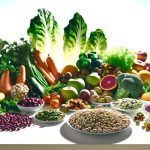
1️⃣ Colorful Fruits and Vegetables
These are rich in antioxidants and polyphenols that combat inflammation. Aim for a rainbow of colors to maximize nutrient diversity.
Examples: Berries, cherries, oranges, leafy greens, broccoli, peppers, and tomatoes.
2️⃣ Fatty Fish
Fatty fish are high in omega-3 fatty acids (EPA and DHA), which have powerful anti-inflammatory effects.
Examples: Salmon, sardines, mackerel, trout.
3️⃣ Nuts and Seeds
They provide healthy fats, magnesium, and fiber, all of which reduce inflammation.
Whole grains are high in fiber, which helps regulate inflammation and supports gut health.
Examples: Quinoa, brown rice, oats, whole wheat, barley.
5️⃣ Olive Oil
Extra-virgin olive oil contains oleocanthal, a compound with anti-inflammatory properties similar to ibuprofen, and is a staple in the Mediterranean diet.
6️⃣ Herbs and Spices
Certain herbs and spices have anti-inflammatory compounds.
These foods promote inflammation by increasing blood sugar, triggering immune responses, and increasing oxidative stress in your body.
Research Supporting the Anti-Inflammatory Diet
Numerous studies support the role of diet in managing inflammation:
A study in The Journal of Nutrition found that individuals following a Mediterranean-style diet (rich in fruits, vegetables, olive oil, nuts, and fish) had significantly lower levels of inflammatory markers.
A meta-analysis in Nutrients highlighted that high consumption of fiber from whole foods is associated with lower CRP and IL-6, markers of inflammation.
Practical Steps to Build an Anti-Inflammatory Plate
Here is how to incorporate anti-inflammatory eating into your lifestyle:
✅ Fill half your plate with vegetables and fruits. Include leafy greens, cruciferous vegetables, and colorful fruits.
✅ Choose whole grains over refined grains. Opt for brown rice, quinoa, and whole wheat bread instead of white rice or bread.
✅ Include fatty fish 2-3 times a week. If you don’t eat fish, consider algae-based omega-3 supplements.
✅ Use healthy fats like olive oil, avocado, and nuts instead of butter and processed oils.
✅ Add herbs and spices like turmeric and ginger to soups, smoothies, or teas.
✅ Limit sugary drinks and opt for water, green tea, or herbal teas which have antioxidant benefits.
✅ Plan for snacks like a handful of walnuts or a piece of fruit instead of processed snacks.
✅ Prioritize gut health with probiotic-rich foods like yogurt, kefir, and fermented vegetables.
It is not a restrictive diet but a sustainable lifestyle approach that prioritizes whole, nutrient-dense foods while limiting inflammatory triggers.
Take Control of Inflammation Today
Chronic inflammation is a silent contributor to many health conditions, but your daily food choices can powerfully influence your inflammation levels. By embracing an anti-inflammatory diet rich in colorful vegetables, fruits, whole grains, healthy fats, fish, and spices while avoiding processed and sugary foods, you take proactive steps to reduce inflammation and support lifelong health.
If you’re ready to start, plan your grocery list to include these anti-inflammatory staples and remove processed, inflammatory foods from your kitchen. Over time, your body will thank you with better energy, reduced pain, and a stronger foundation for long-term wellness.
Purium products that support A Healthy Inflammatory Response:
This website uses cookies to improve your experience. We'll assume you're ok with this, but you can opt-out if you wish.AcceptRejectRead More
Privacy & Cookies Policy
Privacy Overview
This website uses cookies to improve your experience while you navigate through the website. Out of these cookies, the cookies that are categorized as necessary are stored on your browser as they are essential for the working of basic functionalities of the website. We also use third-party cookies that help us analyze and understand how you use this website. These cookies will be stored in your browser only with your consent. You also have the option to opt-out of these cookies. But opting out of some of these cookies may have an effect on your browsing experience.