HealthSurgeon - Healthy Living and Fitness - Purium Coupon
Primary Navigation Menu
10 Spirulina Side Effects
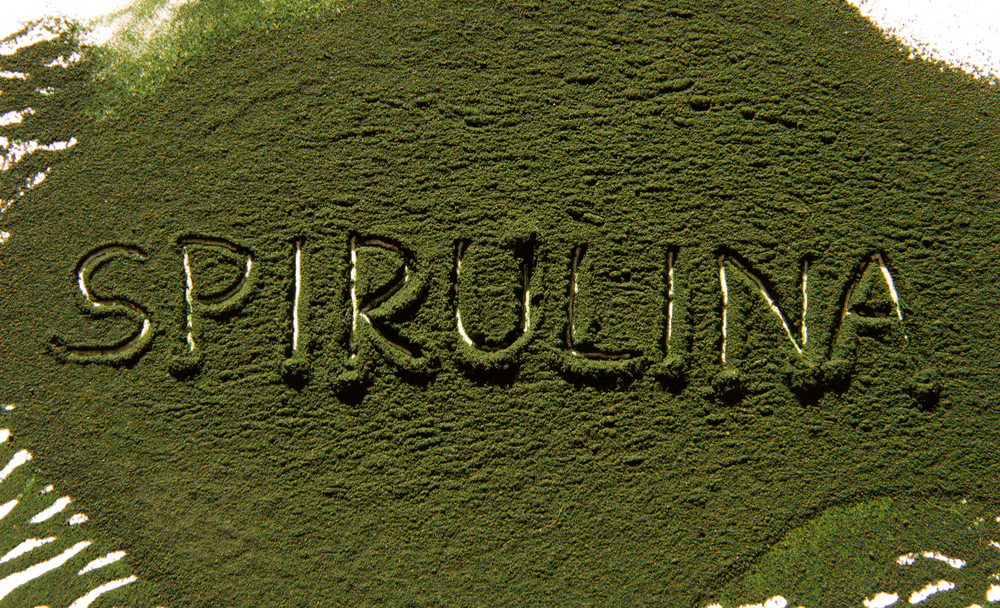
A particular type of blue-green algae, called spirulina, can be found in both freshwater and saltwater. It is manufactured on a commercial basis for use as an ingredient in food and nutritional supplements. Commonly used dietary supplement, Spirulina is an azure-hued type of algae. It may provide antioxidant, anti-inflammatory, and immune-boosting benefits.
This type of food is popular in Mexico and Africa due to its high protein content (60% by weight) and various vitamins and minerals. Furthermore, it contains beneficial polyunsaturated fats as well as C-phycocyanin and beta carotene, which are both antioxidants.
It is claimed that taking this supplement can assist with anti-bacterial, antioxidant, anti-inflammatory, immune system strengthening, and decreasing cholesterol levels.
An oft-consumed nutrient made from blue-green algae, Spirulina is a widely known supplement and additive. You may be questioning if there are any negative impacts associated with it despite its many advantages.
In spite of the fact that spirulina is usually thought to be health promoting, it could possibly have some negative effects and drawbacks – primarily for people with certain medical issues.
Here are some of the potential side effects and downsides of spirulina:
1. May Be Contaminated with Toxins
Gathering Spirulina from its natural habitat carries a substantial threat of pollution. Algae that is present in a wastewater source that contains a high concentration of metal, bacteria, or microcystins can produce toxins. Microcystins are an outcome of blue-green algae’s reaction of protection against its predators. Eating too much of them can be dangerous to your liver. Microcystin-tainted algal products have been discovered in Italy, North America, and China, and these toxins are becoming an increasingly serious problem with respect to their effects on the liver. Scientists have found ways of lessening the presence of microcystins in Spirulina cultivated in managed settings. This has been done by devising methods to eliminate the compound as well as curb its production.
Some types of spirulina that are grown in unregulated conditions may contain dangerous levels of heavy metals, including mercury, cadmium, arsenic, and lead. Ingesting spirulina over a lengthy period of time coming from untrustworthy sources causes harm to important organs, like the liver and kidneys. Kids are more likely to suffer life-threatening side effects from ingesting spirulina that is contaminated with heavy metals than adults. Be sure to investigate the origin of your spirulina.
2. May Worsen Autoimmune Conditions
The consumption of spirulina can increase your immune system, which may make autoimmune diseases – for example, lupus, multiple sclerosis, and rheumatoid arthritis – more severe, as these are conditions where your body is attacked by its own immune system.
Spirulina works to enhance your immune system, encouraging the growth and activity of natural killer cells. These cells work to counter potential dangers and act at the cellular level. Evidence from examinations performed on both creatures and individuals suggest that this effect could help retard tumor development, enhance the capacity to resist sickness, and reduce swelling. This algae may intensify autoimmune diseases by increasing the number of NK cells in sufferers.
The use of Spirulina supplements has been linked to intense reactions of the immune system affecting the skin and muscles, but such a reaction is apparently not very common. If you have an issue where your immune system attacks itself, you should stay away from spirulina and any other types of algae supplements.
An autoimmune disease develops when the immune system attacks the healthy tissues in your body, causing organ damage and inflammation. A few varieties of autoimmune diseases include: arthritis, asthma, periodontitis, vitiligo, type 2 diabetes, multiple sclerosis, psoriasis, and pernicious anemia.
Spirulina is, after all, a foreign body. When you have it, your body reacts too intensely, causing your immune system to be overstimulated. This makes the symptoms of an already existing illness more intense or causes intense inflammation.
3. May Slow Blood Clotting
Spirulina can prompt anticoagulation, which makes blood less thick and expands the time taken for it to coagulate. Clotting works to stop too much bleeding or discoloration in the skin when one is hurt.
Individuals who consume blood thinners or have bleeding disorders should exercise precaution when ingesting spirulina, since it has the potential to reduce the body’s aptitude for clotting, which in turn can lead to increased bruising and bleeding. It is unclear what the consequences are for those taking blood thinners while consuming spirulina, although some studies indicate that the substance does not alter the clotting time of the blood.
Therefore, it is advisable to stay away from spirulina if you have a medical condition that affects your blood’s ability to clot or are taking medication to reduce the blood’s thickness.
4. Worsens Phenylketonuria
Patients with phenylketonuria are not able to process phenylalanine, an amino acid, because of a deficiency in an enzyme called phenylalanine hydroxylase. This is a genetic ailment. The patient is showing indications such as retarded growth, seizures, hyperactivity, and cognitive impairment. Unfortunately, spirulina is a rich source of phenylalanine. Consuming spirulina aggravates the symptoms of phenylketonuria.
5. Interferes With Drug Action
Spirulina is an irritant to your immune system. It can interfere with drugs, especially immunosuppressants. A person on immunosuppressant medication must not consume spirulina. If not, it will reduce the potency of the drug, potentially leading to severe issues.
6. Renal Disorders
Our body produces a significant amount of ammonia while transforming the protein found in spirulina into urea as part of the metabolic process. The kidneys have to work too hard to take out the high level of urea from the blood, and this diminishes their effectiveness and can even cause complete kidney failure.
Certain individuals may experience kidney stones as a result of an abundance of urea in the kidneys.
7. Triggers Edema And Body Weight Fluctuation
Spirulina is packed with vitamins, proteins, and minerals. Spirulina is abundant in the mineral iodine. Despite the potential benefits of consuming iodine through spirulina, it is important to note that it may have a negative influence on the thyroid and parathyroid glands. The effects are more pronounced in people with hyperparathyroidism.
The overabundance of nutrients, in addition to iodine, in the bloodstream can create edema in various body parts, disruptions to the typical absorption of calcium, phosphate, and iodine, and can also trigger unexpected weight increase or decrease, lethargy, and cardiovascular illnesses.
8. Digestive Discomfort And Nausea
Eating spirulina can cause gas, abdominal pains, queasiness, and severe allergic reactions – particularly for those eating it for the first time.
Varieties of spirulina which are contaminated by things like microcystins (toxins made by blue green algae) can be very dangerous, leading to serious digestive problems such as severe dehydration and indigestion.
9. Could Cause Anxiety and Motor Neuron Disease (MND)
Spirulina from sources such as lakes, ponds, and coastal waters which are not managed or controlled are home to strains that are dangerous. Algae of similar form that are sky blue-green in color release harmful elements such as β-methylamino-L-alanine, better known as BMAA, which can be the catalyst for severe neurological harm such as motor neuron illness, amyotrophic lateral sclerosis, Alzheimer’s, Parkinson’s, dementia, fear, and sleeping troubles.
10. Risk for Pregnant and Breastfeeding Women
No comprehensive research has been conducted to determine the safety of spirulina for pregnant and nursing women. So, pregnant women or nursing mothers should not take spirulina or should be closely monitored by a doctor if they do.
Babies and toddlers should stay clear of these supplements as they may easily become intolerant and can quickly be afflicted by a harmful reaction.
Generally, this supplement is accepted as being safe and most people do not suffer from any adverse reactions.
How to Avoid Side Effects
You should consult with a medical professional prior to incorporating spirulina into your nutrition or supplementation habits, since it could cause adverse reactions for some individuals.
In order to make sure that the spirulina is free of contamination, it is best to buy it only from reliable companies whose products have been checked and verified by independent entities such as U.S. Pharmacopeia (USP), ConsumerLab, or NSF International.
Bear in mind that even if a product is officially approved, it may still contain impurities, as dietary supplements lack an adequate legal framework in the United States.
Buying products from reliable companies can decrease your chances of getting contaminated.
Spirulina is an entity that thrives in both freshwater and saltwater. This is a variety of cyanobacteria, otherwise known as single-celled microscopic organisms often dubbed blue-green algae.
Cyanobacteria, much like plants, have the ability to use photosynthesis to create energy from sunlight. Spirulina, once eaten by the Aztecs centuries ago, has resurged in popularity after NASA suggested that it be cultivated in space and used by astronauts.
A recommended consumption of spirulina on a regular basis is between 1-3 grams, while an amount of up to 10 grams can be used effectively in one day. This tiny alga is packed with nutrients. A single tablespoon (tbsp.), or 7 g, of dried spirulina powder contains:
Protein: 4 g
Thiamin: 14% of the Daily Value (DV)
Riboflavin: 20% of the DV
Niacin: 6% of the DV
Copper: 47% of the DV
Iron: 11% of the DV
This substance has reasonable quantities of magnesium, potassium, and manganese. Additionally, the exact amount has a mere 20 calories and less than 2g of carbs.
Approximately 1 gram of fat can be found in each tablespoon of Spirulina. 7 grams of a combination of omega-6 and omega-3 fatty acids must be approximately present in a 1.5 to 1.0 ratio.
The advantageousness of spirulina’s protein quality is deemed to be beyond exceptional and it offers all the required amino acids your body needs.
Some people say that spirulina is loaded with vitamin B12, but this is not true. This substance contains what appears to be vitamin B12, however, its effectiveness in humans has not been substantiated.
A variety of blue-green algae, called Spirulina, is found in both salt and fresh water. This food item is loaded with nutrients and a great way to get an ample supply of protein, copper, and B vitamins.
2. Boasts Powerful Antioxidant and Anti-Inflammatory Properties
Free radicals can damage your cells and cause long-term inflammation, leading to diseases such as cancer. Antioxidants from Spirulina have the ability to ward off the impacts of oxidative damage.
The key component that makes spirulina unique is phycocyanin; a blue-green colored antioxidant. Phycocyanin has the capability to battle free radicals and inhibit the formation of molecules that induce inflammation, offering impressive antioxidant and anti-inflammatory characteristics.
Phycocyanin is the main active compound in spirulina. It has powerful antioxidant and anti-inflammatory properties.
Conclusion
Despite being viewed as secure to use, spirulina can have a few conceivable adverse reactions. Some supplements may be contaminated by toxins. Additionally, the algae may cause some autoimmune issues to become more serious and reduce the amount of blood in the body.
It is not recommended for individuals taking blood thinning medications or ones that have an autoimmune disease, a bleeding disorder, allergies, or PKU to consume spirulina. Consult with your doctor if you have any doubts about the usefulness of this supplement for you.
Though Spirulina (a type of algae) is highly advantageous for our health, it is important to ensure to take it in the correct amount.
Be sure to tell your doctor about how much you are taking of spirulina and how your body reacts to it. If you see any of the signs mentioned, do not take spirulina and make an appointment with your physician right away.
This website uses cookies to improve your experience. We'll assume you're ok with this, but you can opt-out if you wish.AcceptRejectRead More
Privacy & Cookies Policy
Privacy Overview
This website uses cookies to improve your experience while you navigate through the website. Out of these cookies, the cookies that are categorized as necessary are stored on your browser as they are essential for the working of basic functionalities of the website. We also use third-party cookies that help us analyze and understand how you use this website. These cookies will be stored in your browser only with your consent. You also have the option to opt-out of these cookies. But opting out of some of these cookies may have an effect on your browsing experience.