HealthSurgeon - Healthy Living and Fitness - Purium Coupon
Primary Navigation Menu
If You Want to Lose Weight and Fast – Eat More Food!
The Counterintuitive Truth About Weight Loss: Eat More to Weigh Less
It sounds backwards, doesn’t it? Eat more food to lose weight? Yet this approach, when done correctly with the right food choices, is one of the most sustainable and effective weight loss strategies available. Instead of starving yourself and fighting constant hunger, you can actually increase your food volume while decreasing calories and accelerating fat loss.
The Science Behind Eating More to Lose Weight
The secret lies in understanding food volume versus calorie density. Some foods take up significant space in your stomach and require substantial energy to digest, yet contain very few calories. By filling your plate with these foods, you stay satisfied while creating the caloric deficit needed for weight loss. This approach works with your body’s natural hunger signals rather than against them.
Negative Calorie Foods: Nature’s Weight Loss Hack
Certain foods require more energy to digest than they provide, creating what’s known as a negative calorie effect. While no food is truly “negative calorie,” some come very close. These include:
Celery: Mostly water and fiber, celery requires significant chewing and digestion energy
Cucumbers: Extremely low in calories but high in water content and nutrients
Leafy greens: Spinach, kale, and lettuce provide volume and nutrients with minimal calories
Citrus fruits:Oranges and grapefruit are packed with vitamin C and fiber
Tomatoes: Versatile, filling, and loaded with lycopene
Cauliflower: A low-carb substitute for rice or potatoes
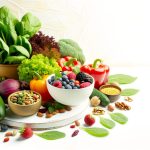
By centering your meals around these foods, you can eat larger portions while consuming fewer total calories. Eating more fruits and vegetables not only supports weight loss but provides powerful disease-fighting compounds.
Smart Swaps for Faster Results
Replace Sugar Without Sacrifice
One of the easiest changes you can make is switching from regular sugar to natural alternatives. Stevia provides sweetness without calories or blood sugar spikes, making it an excellent choice for coffee, tea, and baking. Similarly, choosing diet versions of beverages can save hundreds of calories daily without changing your routine.
Increase Fiber and Protein
Foods high in fiber and protein keep you fuller longer while requiring more energy to digest. Winter squash provides satisfying volume with beneficial nutrients. Incorporating more plant-based proteins and lean meats helps preserve muscle mass during weight loss, which keeps your metabolism elevated.
The Critical Role of Hydration
Drinking adequate water is perhaps the most underrated weight loss tool. Water fills your stomach, temporarily reducing hunger, and proper hydration supports every metabolic process in your body. Many people mistake thirst for hunger, leading to unnecessary snacking.
Aim for at least 8-10 glasses of water daily, with more if you’re active or in hot weather. Staying hydrated reduces stress on your body and improves energy levels. Some people find success with infused water or herbal teas to make hydration more enjoyable.
Combine Diet with Movement
While eating the right foods is crucial, combining nutrition with regular physical activity amplifies results. Even simple activities like walking can make a significant difference. You don’t need intense workouts—consistency matters more than intensity, especially when starting your weight loss journey.
Regular movement not only burns calories but improves mood, sleep quality, and overall health markers. Find activities you enjoy so exercise becomes something you look forward to rather than dread.
Building Sustainable Habits
The key to long-term weight loss success isn’t following a restrictive diet for a few weeks—it’s building sustainable eating habits you can maintain for life. Focus on adding nutritious foods rather than just eliminating favorites. When you fill your plate with vegetables, fruits, and lean proteins, there’s simply less room for calorie-dense processed foods.
Track your progress beyond just the scale. Notice improvements in energy, sleep, digestion, and how your clothes fit. These non-scale victories often appear before significant weight changes and help maintain motivation during plateaus.
This website uses cookies to improve your experience. We'll assume you're ok with this, but you can opt-out if you wish.AcceptRejectRead More
Privacy & Cookies Policy
Privacy Overview
This website uses cookies to improve your experience while you navigate through the website. Out of these cookies, the cookies that are categorized as necessary are stored on your browser as they are essential for the working of basic functionalities of the website. We also use third-party cookies that help us analyze and understand how you use this website. These cookies will be stored in your browser only with your consent. You also have the option to opt-out of these cookies. But opting out of some of these cookies may have an effect on your browsing experience.