HealthSurgeon - Healthy Living and Fitness - Purium Coupon
Primary Navigation Menu
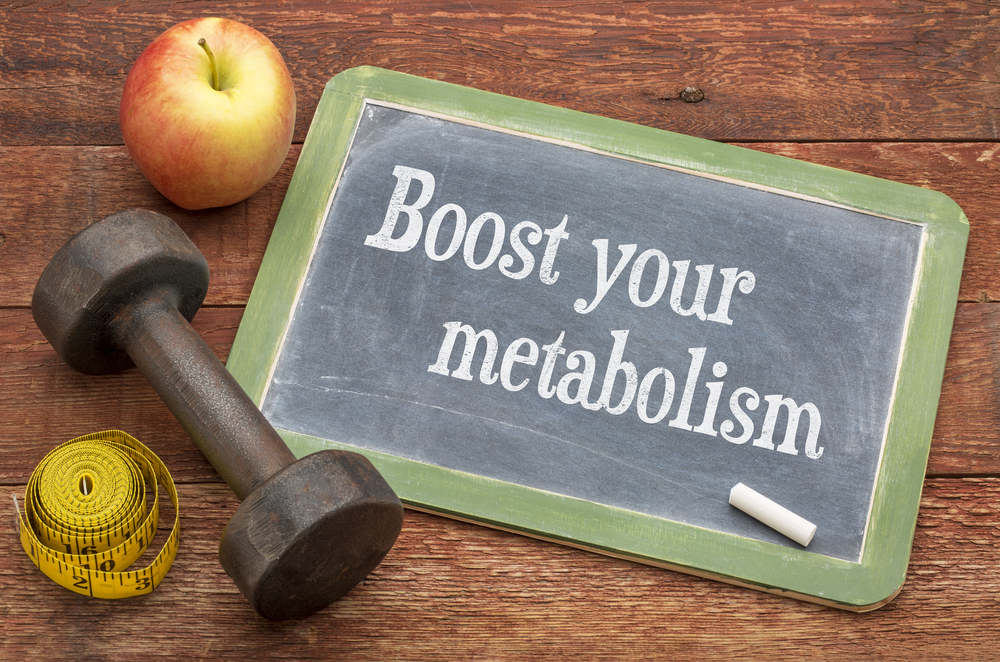
Speeding Up Your Metabolic Rate Can Aid Weight Loss
A person’s metabolism is very important. Metabolism is the rate a person’s body burns calories for energy. Metabolism helps with a variety of different things within the body. It is energy production. It helps build and repair cells. It makes the building blocks for growth and development. A healthy metabolism aids a healthy immune system. A person’s metabolic rate, or how fast their metabolism produces energy is variable per person, or even can change in a person with different factors.
What can affect your metabolism? Age, gender, activity level and body composition can all affect a person’s metabolism. Speeding up your metabolic rate may help people burn calories and lose weight. Why does your metabolism slow down? There are a few different reasons your metabolism may slow down. You might have been able to eat whatever you wanted when you were younger, then as you start to age you start to see that isn’t the case anymore. That is because age can slow down your metabolism. As we get older we have a decreased muscle mass, which can hinder the speed of your metabolism. Women also tend to have a slower metabolism than men, they also tend to have less muscle mass, and hold weight differently than men. A higher percentage of body fat. Hormone changes. Eating too few calories. Lack of physical activity daily, leading a more sedentary lifestyle. Genetics can also play a role in your metabolism. Chronic stress. Sleep deprivation. Poor diet.
Symptoms of a slow metabolism may vary from person to person. These symptoms may also be symptoms of other conditions or diseases. If you have any of these and are concerned you should reach out to your healthcare provider for further information. Symptoms of a slowed metabolism include weight gain, trouble losing weight, fatigue, weakness, cold intolerance, dry skin, mood swings, hair loss, constipation, and joint pain.
If you feel like your metabolism has slowed down you may want to try and give it a boost. Why would you want your metabolic rate to increase? It will help your body to run efficiently. It will also support your overall health. A higher metabolic rate will provide you with more energy. It will also help support your weight loss goals you may have.
Taking a look at what you are eating can help your metabolism. Eat breakfast. Do not skip breakfast, try to eat within thirty minutes of waking up. This helps replenish your body from what it used to do overnight. Make sure you are eating regularly. This means meals happen around the same time as well as snacking. Try not to have heavy snacks, but lighter snacks. Eat more protein. Protein at every meal. This does not mean you have to go on a full carnivore diet. Increasing your protein will help your body increase your muscle mass, which in return can boost your metabolism. Eat enough calories per day. Not eating enough calories will slow your metabolism down because your body will need to conserve energy, it won’t have enough calories to burn for energy. Drink plenty of water. You should aim for between eight to twelve eight ounce glasses of water per day. Drinking green tea may also boost your metabolism. Green tea has caffeine and antioxidants that have been shown to both be able to speed up your metabolism.
Exercise. Daily exercise is key to boosting your metabolism. Doing the right kind of exercise is even more beneficial. Lift weights. Lifting weights helps your body build muscle, which in return improves your metabolic rate and increases fat burning properties. Lift weights in the morning if possible. You don’t necessarily have to lift heavy weights. You can do body weight exercises or use a resistance band for resistance training. Along with adding weights into your exercises, add in HIIT workouts as well. These are High Intensity Interval Training exercises. These would be exercises like burpees, jump squats or push ups. You could also do HIIT sprints, or stair climbers if you have access to a treadmill or gym equipment. HIIT exercises are intense, it may take time to build up your fitness level to doing HIIT workouts consistently. Movement is better than nothing.
Other things that can help boost your metabolism is to make sure you are managing your stress. Learn ways to reduce your stress that work for you. Breathing exercises, meditation, or yoga. Make sure you are getting enough B Vitamins. If you have a medical condition that affects your metabolism, seek treatment for your underlying condition. Conditions that can affect your metabolism are hypothyroidism, diabetes, or metabolic syndrome.
Boosting your metabolism may provide you with more energy, help support your weight loss goals, and support your overall health.
This website uses cookies to improve your experience. We'll assume you're ok with this, but you can opt-out if you wish.AcceptRejectRead More
Privacy & Cookies Policy
Privacy Overview
This website uses cookies to improve your experience while you navigate through the website. Out of these cookies, the cookies that are categorized as necessary are stored on your browser as they are essential for the working of basic functionalities of the website. We also use third-party cookies that help us analyze and understand how you use this website. These cookies will be stored in your browser only with your consent. You also have the option to opt-out of these cookies. But opting out of some of these cookies may have an effect on your browsing experience.