
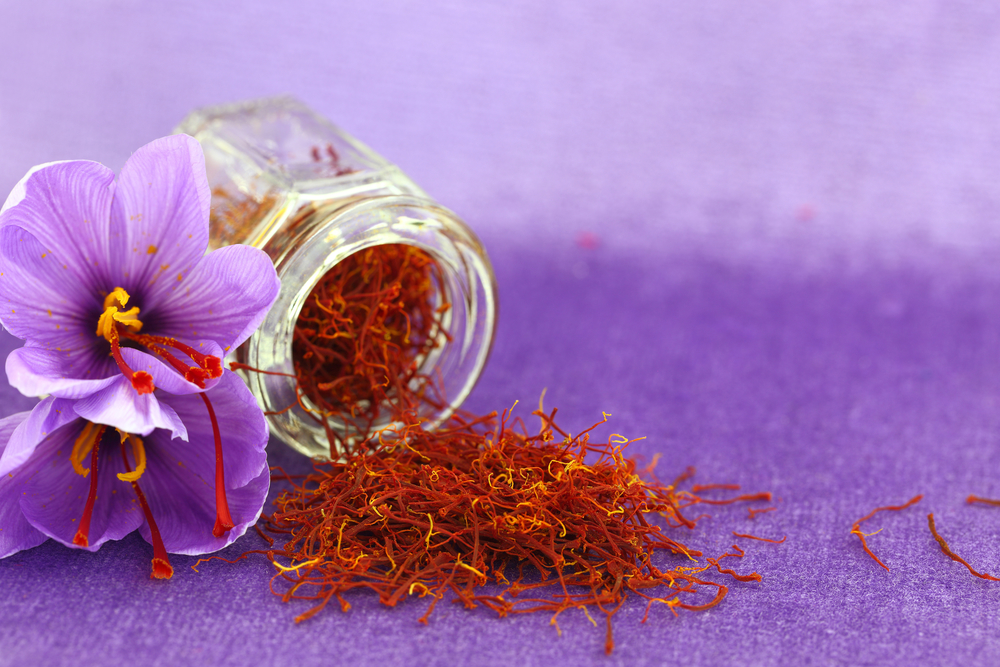
Saffron, often known as the “golden spice,” has a long history of culinary and medicinal use. In recent years, its benefits for skin care have garnered significant attention, with research and anecdotal evidence suggesting that saffron can contribute to healthier, more radiant skin. This article explores the various health benefits of saffron for skin care, the scientific rationale behind its effectiveness, and practical tips for incorporating it into your beauty routine.
A Rich History of Beauty and Healing
Saffron has been prized for centuries not only for its vibrant color and flavor but also for its medicinal properties. Traditionally used in Ayurvedic and Persian medicine, saffron has been considered a powerful remedy for various ailments, including digestive issues, depression, and even menstrual discomfort. In skin care, saffron is believed to rejuvenate the complexion, combat aging, and even out skin tone. Its long-standing use in traditional medicine has prompted modern scientists to investigate the specific compounds in saffron that might support skin health.
The Science Behind Saffron’s Skin Benefits
Saffron contains several bioactive compounds, including crocin, crocetin, picrocrocin, and safranal. These compounds have been extensively studied for their antioxidant, anti-inflammatory, and photoprotective properties.
- Antioxidant Power
One of the key benefits of saffron for skin care is its potent antioxidant activity. Antioxidants are essential for neutralizing free radicals—unstable molecules that can cause oxidative stress and damage to skin cells. This damage is a primary contributor to premature aging, characterized by wrinkles, fine lines, and a loss of elasticity. Studies have shown that the antioxidants in saffron can help reduce oxidative stress, thereby supporting skin cell regeneration and contributing to a more youthful appearance.
Chronic inflammation is a significant factor in various skin conditions, including acne, eczema, and psoriasis. Saffron’s anti-inflammatory properties can help soothe irritated skin, reduce redness, and calm inflammation. This makes it a beneficial ingredient for individuals with sensitive or inflamed skin. By moderating the inflammatory response, saffron can also assist in reducing the severity of acne and preventing post-inflammatory hyperpigmentation.
- Photoprotection
Exposure to ultraviolet (UV) radiation from the sun is a major cause of skin aging and damage. The bioactive compounds in saffron have been found to offer photoprotective effects, which may help reduce the damage caused by UV rays. Although saffron should not replace sunscreen, its inclusion in topical formulations can provide an additional layer of protection by minimizing oxidative damage and supporting skin repair mechanisms.
- Anti-Aging and Skin Rejuvenation
The combined antioxidant and anti-inflammatory effects of saffron make it a promising agent for anti-aging skin care. Regular use of saffron-infused products may help to diminish fine lines and wrinkles while promoting a more even skin tone. The spice’s ability to stimulate cell turnover and improve collagen production is particularly beneficial for maintaining skin elasticity and firmness. This can lead to a noticeable improvement in the overall texture and vibrancy of the skin.
Saffron and Skin Tone: Brightening and Evening Effects
Uneven skin tone, hyperpigmentation, and dullness are common concerns for many individuals. Saffron has been traditionally used to enhance skin complexion and impart a natural radiance. The pigment crocin, found in saffron, not only gives the spice its distinct color but also plays a role in brightening the skin. By promoting the breakdown of melanin—the pigment responsible for dark spots and uneven skin tone—saffron can help achieve a more uniform complexion. Regular use of saffron-based treatments may result in a luminous, more youthful glow.
Incorporating Saffron into Your Skin Care Routine
There are several ways to incorporate saffron into your daily skin care regimen, whether through topical applications or even internal consumption. Here are a few practical methods:
- Saffron Face Masks
One of the most popular ways to benefit from saffron is by using it in a face mask. To make a simple saffron face mask at home:
- Ingredients: A few strands of saffron, 1-2 teaspoons of honey, and a tablespoon of plain yogurt.
- Method: Crush the saffron strands to release their color and mix them with honey and yogurt. Apply the mixture evenly to your face and let it sit for 15–20 minutes before rinsing with lukewarm water.
- Benefits: This mask combines saffron’s brightening and anti-inflammatory properties with the moisturizing and antibacterial benefits of honey and yogurt.
- Saffron-Infused Oils and Creams
Many commercial skin care products now include saffron extracts due to their proven benefits. Look for creams, serums, or facial oils that list saffron or its active compounds in their ingredients. These products are formulated to harness the power of saffron in a way that is easy to integrate into your existing beauty routine.
- Oral Consumption
Beyond topical applications, incorporating saffron into your diet may also promote skin health from the inside out. Saffron can be added to teas, smoothies, or even savory dishes. Its antioxidant properties can help reduce systemic inflammation, which may, in turn, improve skin conditions. However, it is essential to use saffron in moderation, as high doses can be harmful.
Safety and Considerations
While saffron is generally safe for most people when used in culinary and topical amounts, there are a few precautions to keep in mind:
- Allergies: Some individuals may experience allergic reactions to saffron. It’s advisable to do a patch test before using any new saffron-based product.
- Dosage: Overconsumption of saffron, particularly when taken orally, can lead to adverse effects such as dizziness or nausea. Always adhere to recommended amounts.
- Quality: Not all saffron is created equal. The quality of saffron can vary significantly based on its source and processing methods. Opt for high-quality, reputable brands to ensure you’re receiving the best possible product.
Emerging Research and Future Directions
The potential of saffron in skin care is an exciting area of ongoing research. Scientists are continuing to explore its mechanisms and benefits, particularly its role in skin rejuvenation and repair. Future studies may further validate the traditional uses of saffron and potentially lead to new, innovative skin care formulations that harness its full potential. This research not only underscores saffron’s historical significance in beauty but also points to its promising future as a scientifically validated skin care ingredient.
Conclusion
Incorporating saffron into your skin care routine offers a range of benefits, from its powerful antioxidant and anti-inflammatory properties to its ability to brighten and even out skin tone. Whether used in homemade face masks, infused in luxurious creams and oils, or enjoyed as part of a balanced diet, saffron has much to offer in the quest for healthy, radiant skin. As modern science continues to unravel the complexities of this ancient spice, its role in skin care is likely to grow, offering new solutions for maintaining youthful, vibrant skin in a natural and holistic way.
Embracing saffron as part of your beauty routine not only pays homage to centuries of traditional medicine but also provides a modern approach to addressing skin concerns. By carefully selecting high-quality saffron products and using them judiciously, you can harness the full spectrum of benefits this golden spice has to offer—leading to a healthier, more luminous complexion.
Purium products that support Healthy Skin:
Sources:
https://www.goodhousekeeping.com/beauty/anti-aging/a46431039/saffron-skin-benefits/
https://www.ashpveda.com/blogs/skin-care/benefits-of-saffron-for-skin?srsltid=AfmBOoo8pUiohOctxoqr9rCmxdy5kJzp1mvcbQKDkAJc0wwXEqpC8_tR
https://wellself.com/collagen-and-your-skin/


