Introduction to Turkey Tail Mushroom
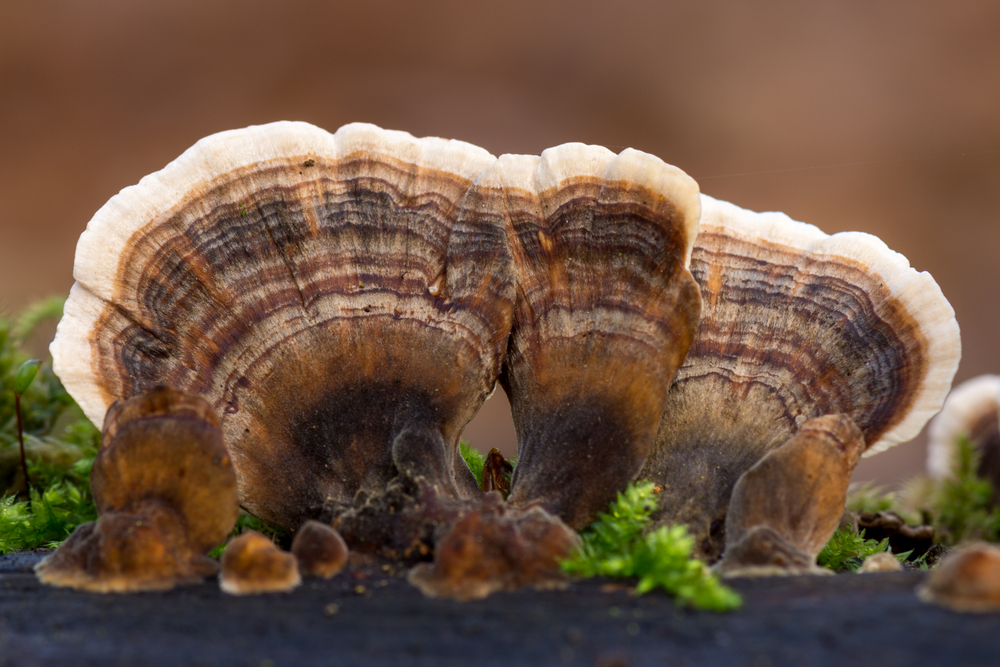
Among functional foods, the turkey tail mushroom, also known as turkey tail fungus, is a standout for its therapeutic properties. Its name is derived from its vibrant, striped appearance that resembles the feathered tail of a turkey. This mushroom has a rich history, especially in Chinese culture, where it has been brewed as a medicinal tea for millennia, dating back to the 15th century Ming Dynasty. The Japanese refer to it as kawaritake or “cloud mushrooms,” symbolizing longevity, health, spiritual connection, and infinity. These mushrooms are commonly found on decaying wood in forests and are characterized by their thin, wavy, leather-like form with concentric circles. Unlike shiitake mushrooms, turkey tail mushrooms release spores through tiny pores, classifying them as part of the polypore family.
What Is Turkey Tail Mushroom?
The turkey tail mushroom, part of the Trametes versicolor family, is one of the 100 mushroom species researched for medicinal use. It thrives on dead logs across the globe and is recognized by its distinctive brown and tan rings. These mushrooms are a source of prebiotics, aiding in digestive health, and are also known for their immune-boosting and anti-inflammatory properties. Traditional Chinese medicine has long used turkey tail to promote overall health and longevity.
Health Benefits of Turkey Tail Mushroom
1. Cold and Flu Prevention and Treatment
Turkey tail mushroom is renowned for its ability to ward off infections, including those from the common cold or flu. It bolsters the immune system’s resilience against pathogens. With immune-modulating effects, turkey tail is a valuable addition to one’s diet during flu season.
2. Support for Chemotherapy Patients
The U.S. Food and Drug Administration (FDA) has explored the use of turkey tail extract in clinical trials for advanced prostate cancer patients undergoing chemotherapy and for women with breast cancer in combination with a vaccine treatment. The goal is to fortify the immune system compromised by chemotherapy, potentially aiding in the fight against cancer.
3. Potential Cancer-Fighting Properties
For over three decades, medicinal mushrooms, including turkey tail, have been used alongside standard cancer treatments in Japan and China. Research, including studies from the National Cancer Institute, suggests turkey tail mushroom may improve survival rates for various types of cancer. PSK, an active compound in turkey tail, has shown promise in repairing immune cell damage from chemotherapy.
4. Treatment of Human Papilloma Virus (HPV)
Turkey tail mushroom may have therapeutic effects on infections like HPV. A study involving patients with gum disease and oral HPV found significant improvement after two months of treatment with turkey tail and reishi mushrooms.
5. Digestive Aid
The mycelium in turkey tail mushrooms acts as a prebiotic, fostering the growth of beneficial gut bacteria and potentially aiding in conditions like leaky gut syndrome. This can contribute to improved digestion and even weight loss.
6. Benefits for HIV/AIDS Patients
Research indicates that turkey tail mushroom, along with other wild medicinal East African mushrooms, may benefit patients with Kaposi’s sarcoma and HIV/AIDS. PSP, an extract from turkey tail, has demonstrated potential antiviral properties against HIV replication in vitro.
Nutrition Facts and Mushroom Comparison
Turkey tail is among the most researched mushrooms, sharing the spotlight with reishi, cordyceps, oyster, and maitake mushrooms. They are rich in selenium, vitamin D, vitamin B3, and B-glucans, contributing to their immune-boosting capabilities. Adaptogens like turkey tail help the body resist stress and support immune function. These mushrooms are also a source of essential nutrients, including polysaccharides, proteins, minerals, and vitamins B and D.
Comparing turkey tail with other medicinal mushrooms, such as reishi and chaga, each has unique health benefits. Reishi is known for hormone balance, blood sugar stabilization, allergy and asthma relief, and heart and liver health promotion. Chaga is recognized for its anti-inflammatory properties, immune support, and viral infection combatting abilities.
Supplements, Dosage, and Usage
Turkey tail supplements come in various forms, including capsules, extracts, and powders. There is no universally accepted dosage, but labels typically recommend one to three capsules daily. PSK is a popular anti-cancer supplement in Japan, though it is not legally sold in the U.S. Consumers should seek organic, scientifically validated products and consider the source and handling of the mushrooms.
Turkey tail mushrooms can be incorporated into recipes or consumed as tea. An organic source is essential to avoid soil toxins. The recommended intake for immune benefits is one to two eight-ounce glasses of turkey tail mushroom tea per day.
Risks and Side Effects
Prior to using turkey tail mushrooms for medicinal purposes, consultation with a healthcare provider is advised, especially for pregnant or breastfeeding individuals or those with disease-related conditions. Side effects may include gastrointestinal disturbances and changes in nail pigmentation. Any adverse effects should prompt immediate discontinuation and medical consultation.
Conclusion
The turkey tail mushroom has a strong research backing for its potential as a natural cancer-fighting remedy and immune enhancer. It has shown promise in preventing and treating colds and flu, supporting chemotherapy patients, treating HPV, aiding digestion, and assisting HIV/AIDS patients. While more research is warranted, turkey tail mushrooms could be a beneficial addition to one’s health regimen, provided that proper usage and purchasing guidelines are followed.