HealthSurgeon - Healthy Living and Fitness - Purium Coupon
Primary Navigation Menu
The Power Of Protein
What Exactly Is Protein, Anyway?
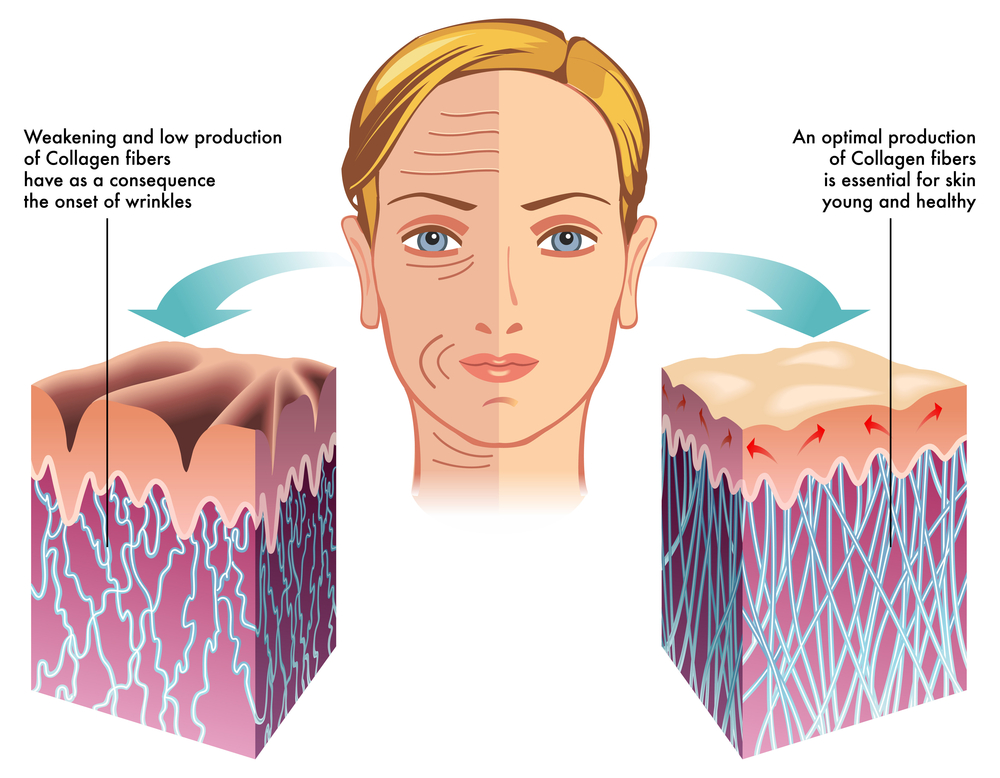
Proteins are the hardworking molecules running just about every biological function in your body. They make up the structure of your organs, skin, bones, muscles, blood, and tissue. Think of them as the scaffolding and machinery of human biology — and they’re involved in almost everything your cells do.
But protein does more than just provide structure. It powers your metabolism, builds muscle mass, and forms antibodies that fight off bacterial and viral infections. Your organs and biological systems rely on protein to collaborate and keep you running. All of it comes from the foods you eat.
The 10-to-35% Rule Nobody Talks About
Here’s where things get interesting: eating more protein than your body can actually process doesn’t make you healthier. It just gives you unnecessary calories. Your body has a limited capacity to use protein, and once that limit is hit, the rest gets stored.
The U.S. Department of Agriculture and the Department of Health and Human Services recommend that protein make up 10–35% of your daily caloric intake. For most people, that works out to about 46 grams a day for women and girls aged 14 and older, and 56 grams a day for men aged 19 and older. Those aren’t minimums to hit at all costs — they’re a sweet spot.
Smart Swaps That Add Up Fast
You don’t need to overhaul your entire diet to get more protein. Small swaps add up in surprisingly powerful ways. Switch from regular yogurt (8–12 grams per cup) to Greek yogurt (17 grams per cup) and you’ve gained nearly double without changing anything else about your meal. Add an ounce of sunflower seeds to your morning cereal for five extra grams. Sprinkle an ounce of mozzarella on your salad and you’re looking at six more grams of quality protein.
These same principles apply when you’re thinking about healthy tips to lose weight fast — protein keeps you fuller longer than carbs or fats do, and that satiety effect shows up within hours, not days. You’ll naturally reach for less because your body isn’t screaming for more food.
Beyond the obvious meat and dairy options, legumes, nuts, and lean fish are all solid protein sources that bring their own nutritional packages along for the ride. The key is balance — quality matters more than grinding through grams like they’re a video game score.
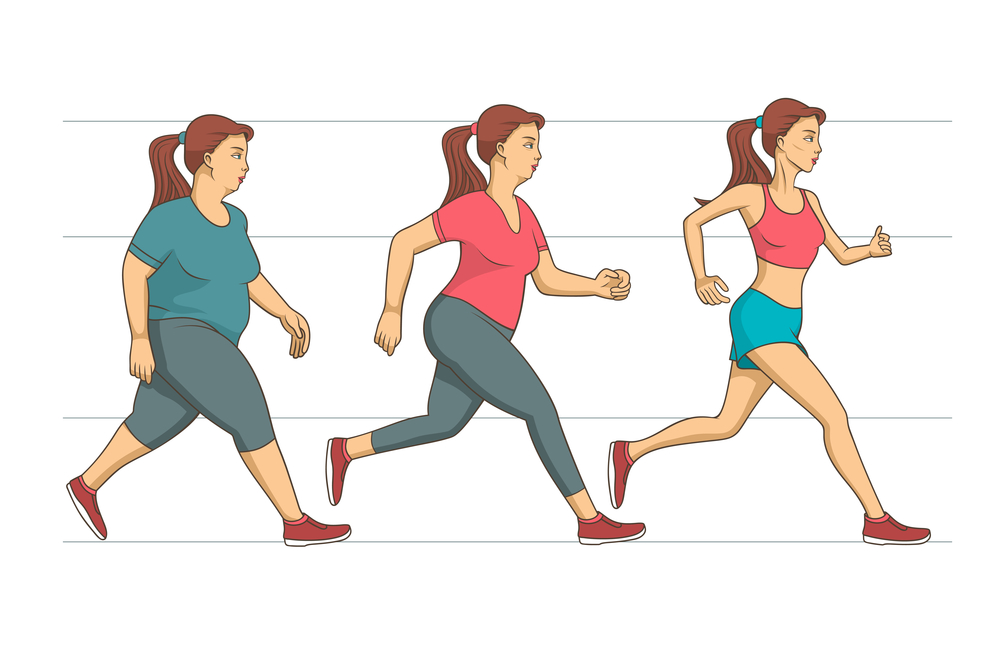
And if you’re interested in exercise for weight loss to go alongside your better protein intake, that’s the ideal combo. Strength training in particular puts that extra protein to work building muscle rather than storing fat.
Your Best Next Move
If you’re looking for a convenient way to bump your protein intake without cooking up a storm, a quality supplement can do the heavy lifting.
This gives you nutrient-dense protein greens that fit easily into a morning smoothie or post-workout shake.
Pair it with
for a well-rounded nutrient profile that covers the fruit and veggie side of things, too. It’s not about perfection — it’s about making sure your body gets the building blocks it needs to do the jobs we talked about at the top.
Read your labels, stick near that 46-to-56 gram range depending on your setup, and pick protein sources you actually enjoy eating. That’s the whole story.
This website uses cookies to improve your experience. We'll assume you're ok with this, but you can opt-out if you wish.AcceptRejectRead More
Privacy & Cookies Policy
Privacy Overview
This website uses cookies to improve your experience while you navigate through the website. Out of these cookies, the cookies that are categorized as necessary are stored on your browser as they are essential for the working of basic functionalities of the website. We also use third-party cookies that help us analyze and understand how you use this website. These cookies will be stored in your browser only with your consent. You also have the option to opt-out of these cookies. But opting out of some of these cookies may have an effect on your browsing experience.