
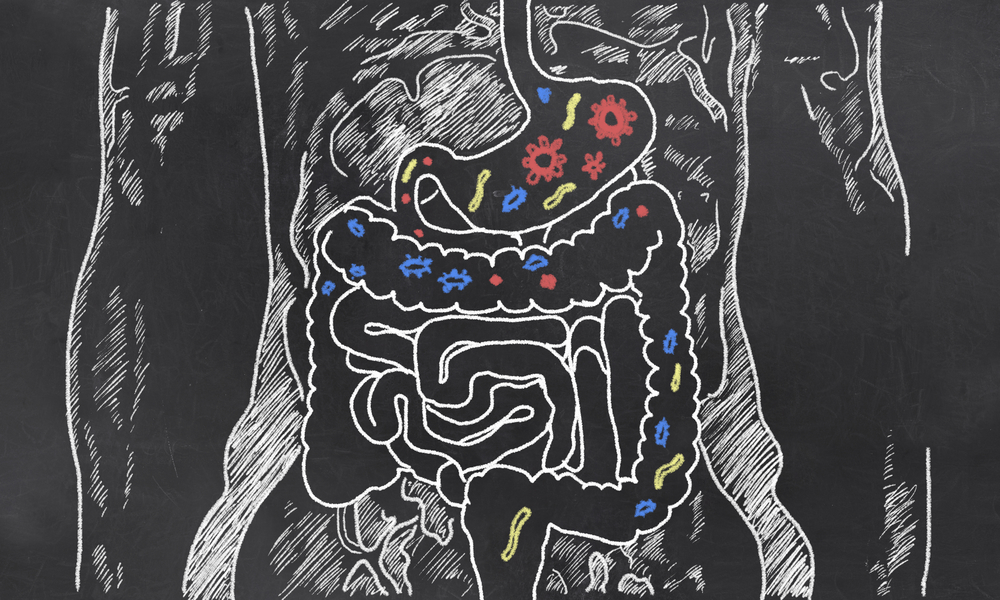
What Probiotics Actually Do
If you’ve ever stood in the supplement aisle staring at a wall of probiotic labels, you’re not alone. The category is huge, the claims are everywhere, and honestly, half the time it’s hard to tell what you’re buying. So let’s cut through it.
What a Probiotic Is
A probiotic is simply a live microbe — usually a bacterium — that, in the right amount, can support your digestive system. It’s not a drug and it’s not a cure-all. It’s a living ingredient meant to add to the community of organisms that already lives in your gut.
That community, the microbiome, does more than you’d expect. Roughly two-thirds of your immune function is housed in the gut, and a large share of your serotonin — the brain chemical tied to mood — is produced in the small intestine. When that ecosystem is in decent shape, you notice it in digestion, mood, and energy. When it’s off, you notice that too.
The NIH’s National Digestive Diseases Information Clearinghouse points out that probiotics are most clearly helpful for certain digestive complaints, while Mayo Clinic is more measured about what the evidence actually supports. Neither would call it a miracle. Both would call it worth taking seriously.
Why Your Gut Can Get Out of Balance
Balance isn’t automatic. A diet heavy in processed food and refined sugar feeds the wrong kinds of organisms and starves the helpful ones. Chronic stress and inconsistent sleep do the same. And certain medications — especially regular NSAIDs — can irritate the gut lining directly. If you’re a daily ibuprofen person, it’s worth reading up on how painkillers can damage your gut before it becomes a problem.
The symptoms show up quickly: bloating, constipation, diarrhea, that unsettled feeling after meals. The longer-term picture is less visible but worth knowing about — a disrupted microbiome shows up in research on chronic digestive conditions, type 2 diabetes, and even colorectal cancer risk. None of that means you’re headed there. It means your gut is doing real work, and it’s not invincible.
Probiotics vs. Prebiotics vs. Immunobiotics
Three words, three different things.
- Probiotics are live organisms you take — yogurt, a capsule, a fermented food.
- Prebiotics are the fibers those organisms feed on. Think of them as food for your existing good bacteria rather than new arrivals.
- Immunobiotics are a newer category — often heat-treated or inactivated microbes that don’t need refrigeration and are generally considered safer for immunocompromised people.
If you’re not sure which makes sense for you, that’s a reasonable conversation to have with your doctor rather than a guess. The honest answer for most people: a mix, and consistency matters more than any single product.
Practical Ways to Support Your Gut
Here’s the short list that actually moves the needle:
- Fiber every day — plants are doing the heavy lifting for your microbiome.
- Regular fermented foods — yogurt, kefir, sauerkraut, kimchi.
- Hydration. It sounds basic because it is. If you’re curious about the compounding effects of drinking more water, we covered what actually happens when you drink more.
- Consistent sleep. Your gut microbiome has its own rhythm, and yours sets it.
If you’re looking for an easy daily habit that stacks a few of these together, a greens blend like
When to Actually Talk to a Doctor
Symptoms that linger — persistent diarrhea, unexplained weight loss, blood in the stool, severe or worsening pain — aren’t things to sit on. A probiotic isn’t a substitute for diagnosis. If you’re managing a condition like diabetes, the cost of a poorly managed gut is real, and we wrote about the hidden cost of type 2 diabetes to put numbers on what that looks like.
Probiotics are one tool among many. They’re not the whole story, and that’s fine. The story is that your gut is doing a lot of work, most of it invisible, and it’s worth paying attention to.
[asd_free_examples]