HealthSurgeon - Healthy Living and Fitness - Purium Coupon
Primary Navigation Menu
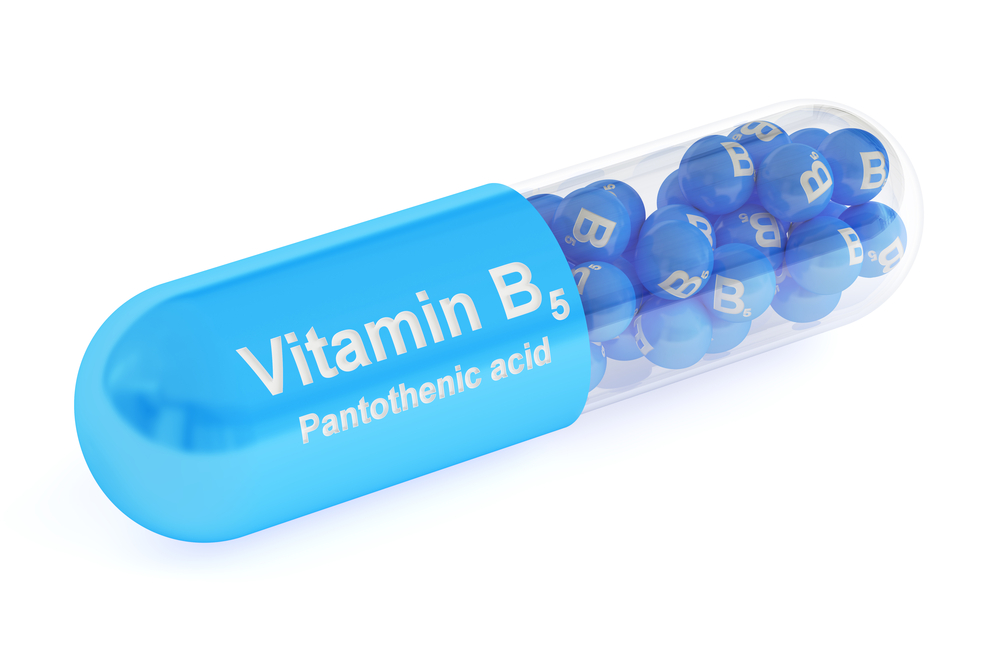
Pantothenic Acid Vitamin B5
Pantothenic acid, also known as vitamin B5, is one of the B-vitamins and is essential for various biological processes in the human body. It plays a crucial role in energy metabolism and is necessary for the synthesis of fatty acids, amino acids, and other important molecules.
Here are some key aspects of pantothenic acid:
Energy Production: Pantothenic acid is a key component of coenzyme A (CoA), which is involved in several biochemical reactions responsible for converting food into energy. CoA is essential for the breakdown of carbohydrates, fats, and proteins.
Fatty Acid Synthesis: Pantothenic acid is required for the synthesis of fatty acids, which are important for building cell membranes and for storing and utilizing energy.
Amino Acid Metabolism: It also plays a role in the metabolism of amino acids, which are the building blocks of proteins. Pantothenic acid is involved in the synthesis of certain amino acids and helps convert others into usable forms.
Skin Health: Pantothenic acid is sometimes used in skincare products because it can support skin health. It’s believed to promote the healing of wounds and can help reduce skin dryness and irritation.
Immune System Support: Pantothenic acid is important for the production of antibodies and immune system cells, contributing to the body’s defense against infections and illnesses.
Overall Health: As a water-soluble vitamin, pantothenic acid needs to be obtained regularly through the diet. It’s found in a wide range of foods, including meat, poultry, fish, whole grains, legumes, and some vegetables, ensuring that most people have sufficient intake.
Pantothenic acid deficiencies are relatively rare, as it’s found in a variety of foods, and the body requires it in small amounts. Severe deficiencies can lead to symptoms like fatigue, numbness and tingling in the hands and feet, and gastrointestinal distress. However, deficiencies are usually associated with other health conditions or dietary deficiencies.
In summary, pantothenic acid (vitamin B5) is an essential nutrient that plays a key role in energy metabolism, fatty acid synthesis, amino acid metabolism, and various other biological processes. It’s readily available in a balanced diet and is crucial for overall health and well-being.
The B vitamins, which include B1 (thiamine), B2 (riboflavin), B3 (niacin), B5 (pantothenic acid), B6 (pyridoxine), B7 (biotin), B9 (folate), and B12 (cobalamin), are a group of essential water-soluble vitamins that play diverse and crucial roles in maintaining good health. Here’s why the B vitamins are important for our well-being:
Energy Production: The B vitamins are essential coenzymes in various metabolic pathways that help convert the food we eat into energy. They are particularly involved in the metabolism of carbohydrates, fats, and proteins.
Nervous System Function: B vitamins, including B1, B6, and B12, play key roles in maintaining a healthy nervous system. They support nerve function, neurotransmitter synthesis, and cognitive health.
Red Blood Cell Formation: B vitamins, such as B9 (folate) and B12, are essential for the production of red blood cells. Deficiencies in these vitamins can lead to anemia, a condition characterized by reduced oxygen-carrying capacity in the blood.
DNA Synthesis and Repair: B vitamins are essential for DNA synthesis and repair, promoting genetic stability and cellular integrity. This is particularly important during periods of growth, such as pregnancy and childhood.
Skin and Hair Health: Biotin (B7) is often associated with skin, hair, and nail health. It plays a role in the synthesis of keratin, a protein that contributes to the strength and integrity of these structures.
Immune System Support: B vitamins are involved in immune system function. They support the production of immune cells and antibodies, helping the body defend against infections and illnesses.
Cardiovascular Health: Some B vitamins, like B3 (niacin), help regulate cholesterol levels and support cardiovascular health. They can help lower LDL (bad) cholesterol and increase HDL (good) cholesterol.
Mental Health: B vitamins, particularly B6, are involved in mood regulation. They support the synthesis of neurotransmitters such as serotonin, which plays a role in emotional well-being.
Hormone Production: B vitamins are important for the production of hormones in the body, helping to maintain hormonal balance and overall endocrine health.
Pregnancy and Fetal Development: Adequate intake of B vitamins, especially B9 (folate), is crucial during pregnancy to prevent birth defects and support the developing fetus.
Deficiencies in B vitamins can lead to a range of health problems, including fatigue, anemia, skin disorders, neurological issues, and more. A well-balanced diet that includes a variety of foods can provide the necessary B vitamins, but certain individuals, such as vegetarians, vegans, and those with certain medical conditions, may need to pay extra attention to their B vitamin intake.
In summary, the B vitamins are a group of essential nutrients with diverse roles in energy production, nervous system function, DNA synthesis, and overall health. Ensuring an adequate intake of these vitamins through diet or supplementation is essential for maintaining well-being and preventing deficiency-related health issues.
Deficiencies in B vitamins can lead to a range of health problems. Are you getting enough Pantothenic Acid Vitamin B5? #HealthSurgeon
This website uses cookies to improve your experience. We'll assume you're ok with this, but you can opt-out if you wish.AcceptRejectRead More
Privacy & Cookies Policy
Privacy Overview
This website uses cookies to improve your experience while you navigate through the website. Out of these cookies, the cookies that are categorized as necessary are stored on your browser as they are essential for the working of basic functionalities of the website. We also use third-party cookies that help us analyze and understand how you use this website. These cookies will be stored in your browser only with your consent. You also have the option to opt-out of these cookies. But opting out of some of these cookies may have an effect on your browsing experience.