
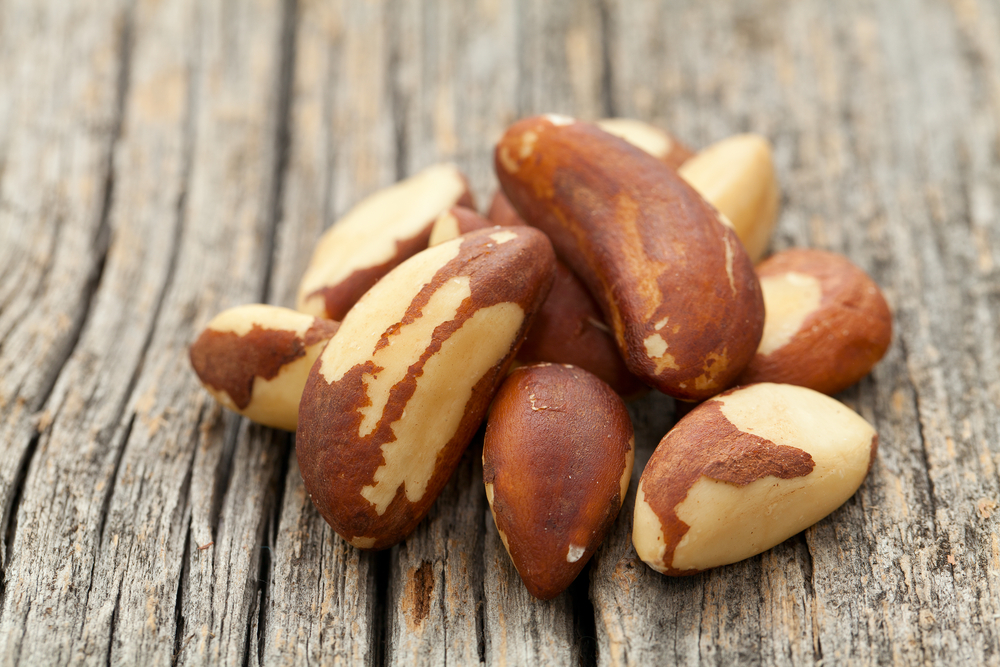
Brazil nuts are more than just a tasty snack—they’re one of the most nutrient-dense foods on the planet. Known for their smooth texture and rich, earthy flavor, these large seeds from the Amazon rainforest are celebrated for their unique health benefits, especially their sky-high selenium content. But like many powerful foods, Brazil nuts should be enjoyed in moderation to avoid potential risks.
This article takes a deep dive into Brazil nuts: their nutritional profile, proven health benefits, possible side effects, and how many you should eat for optimal health.
What Are Brazil Nuts?
Brazil nuts come from the Bertholletia excelsa tree, native to the Amazon rainforest in Brazil, Peru, and Bolivia. Unlike many other nuts, they are actually seeds encased in a tough, woody shell inside a coconut-like fruit. Each fruit can hold 10–25 Brazil nuts.
These nuts have been part of traditional diets in South America for centuries, and today they are enjoyed worldwide as a nutrient-rich superfood.
Nutrition Profile of Brazil Nuts
Brazil nuts are calorie-dense but pack a wide range of vitamins and minerals. Just one ounce (about 6 nuts) provides:
- Calories: ~187
- Protein: 4 grams
- Fat: 19 grams (mostly healthy unsaturated fats)
- Carbohydrates: 3 grams
- Fiber: 2 grams
- Selenium: ~544 micrograms (over 900% of the recommended daily intake)
- Magnesium, zinc, copper, vitamin E, and thiamine in notable amounts.
The standout nutrient here is selenium, a powerful trace mineral essential for thyroid function, antioxidant defense, and immune support.
Health Benefits of Brazil Nuts
- Richest Natural Source of Selenium
Selenium is critical for protecting cells from oxidative stress, supporting thyroid hormones, and boosting immunity. Brazil nuts are by far the richest natural source—just one nut can provide more than the daily requirement.
The thyroid gland relies on selenium to produce hormones that regulate metabolism, growth, and energy. Research shows that selenium deficiency can impair thyroid function, and Brazil nuts can help restore balance.
- Powerful Antioxidant Properties
Selenium and vitamin E in Brazil nuts act as antioxidants, reducing damage caused by free radicals. This can lower inflammation and decrease the risk of chronic diseases such as heart disease and cancer.
- Heart Health
Brazil nuts are high in monounsaturated and polyunsaturated fats, which support cardiovascular health by improving cholesterol levels. Some studies suggest Brazil nut consumption can reduce LDL (“bad” cholesterol) and raise HDL (“good” cholesterol).
- Boosts Immune Function
Selenium helps regulate immune responses and enhances the body’s ability to fight infections. Just a couple of Brazil nuts a day can significantly raise selenium levels in people with deficiencies.
- Supports Brain Function and Mood
Research indicates that selenium may help prevent cognitive decline and improve mood. Low selenium levels have been linked to depression, anxiety, and poor memory.
- May Reduce Inflammation
Regular consumption of Brazil nuts has been shown to reduce markers of inflammation, such as C-reactive protein (CRP), in both healthy individuals and those with chronic conditions.
- Good for Skin and Hair
The antioxidants and healthy fats in Brazil nuts can promote skin elasticity, reduce signs of aging, and support hair strength and shine.
Risks and Side Effects of Brazil Nuts
Despite their benefits, Brazil nuts should be eaten with caution due to their extremely high selenium content.
- Risk of Selenium Toxicity
Too much selenium (a condition called selenosis) can cause symptoms like:
- Nausea and diarrhea
- Hair loss and brittle nails
- Fatigue and irritability
- Neurological problems in extreme cases
The upper limit for selenium intake is 400 micrograms per day, yet just 2 Brazil nuts can exceed this amount. Eating large quantities regularly can be harmful.
- Calorie-Dense Food
Because they are high in fat and calories, eating too many Brazil nuts can contribute to weight gain if not balanced with overall calorie intake.
- Potential Allergies
As with other tree nuts, some individuals may have allergic reactions ranging from mild itching to severe anaphylaxis.
- Risk of Radioactive Elements
Brazil nut trees absorb higher levels of radium from the soil compared to most plants. While levels are generally considered safe for human consumption, it’s another reason why moderation is key.
How Many Brazil Nuts Should You Eat Per Day?
Most health experts recommend eating 1–2 Brazil nuts per day. This provides more than enough selenium for optimal health without risking toxicity.
If you already take selenium supplements, it may be best to avoid Brazil nuts or consult with a healthcare provider before including them in your diet.
How to Add Brazil Nuts to Your Diet
Brazil nuts can be enjoyed in a variety of ways:
- Eat them raw as a snack.
- Chop and sprinkle over oatmeal, yogurt, or smoothie bowls.
- Blend into nut butters for a creamy spread.
- Use in baking, such as cookies, granola, or bread.
- Add to trail mixes for a protein-packed energy boost.
Because of their high oil content, Brazil nuts can go rancid quickly. Store them in an airtight container in the fridge or freezer to extend freshness.
Purium Products that Contain Selenium:
Conclusion
Brazil nuts are a nutritional powerhouse, offering one of the most concentrated sources of selenium along with healthy fats, protein, fiber, and antioxidants. They support thyroid health, boost immunity, protect the heart, and even promote better mood and cognition.
However, the very nutrient that makes them so valuable—selenium—also makes them risky if consumed in excess. For most people, just 1–2 Brazil nuts a day is enough to reap the benefits without side effects.
Incorporated wisely into a balanced diet, Brazil nuts can be a simple yet powerful addition to your health routine.
READ MORE: Selenium An Essential Micronutrient
Sources:
https://www.webmd.com/diet/health-benefits-brazil-nuts
https://pmc.ncbi.nlm.nih.gov/articles/PMC3693158/
https://www.marthastewart.com/benefits-of-brazil-nuts-11730041