HealthSurgeon - Healthy Living and Fitness - Purium Coupon
Primary Navigation Menu
4 Reasons Why You Should Add Turmeric to Your Diet
The Golden Spice That Deserves a Place in Your Kitchen
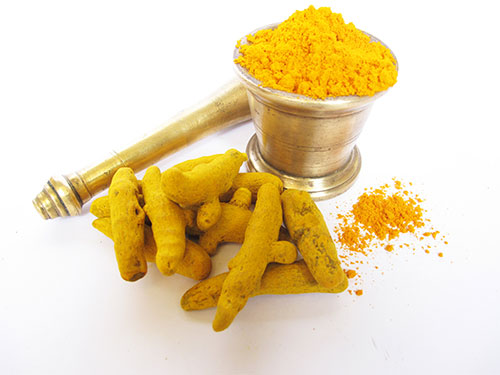
Turmeric (Curcuma longa) is far more than a colorful ingredient in curry powder. This vibrant yellow-orange spice has been used for thousands of years in Ayurvedic and traditional medicine, and modern science is now validating what ancient healers knew: turmeric is a nutritional powerhouse with remarkable health benefits.
The active compound responsible for most of turmeric’s health effects is curcumin, which has been the subject of over 3,000 published studies. From supporting your immune system to protecting your heart, here are four compelling reasons to add turmeric to your daily routine.
1. Powerful Immune System Support
Turmeric acts as a natural antimicrobial with documented antibiotic and antiseptic properties. Research published in the National Library of Medicine shows that curcumin modulates immune response by regulating cytokines — the proteins that control inflammation and immune cell activity.
Studies demonstrate that curcumin enhances the activity of immune cells, helping protect against viral and bacterial infections. For maximum immune support and nutrient absorption, pair turmeric with nutrient-dense greens.
2. Nature’s Anti-Inflammatory Powerhouse
Curcumin is one of the most potent natural anti-inflammatory compounds known to science. It works by blocking NF-κB, a molecule that activates inflammatory genes in cell nuclei. While some sources compare curcumin to pharmaceutical anti-inflammatories like hydrocortisone, it’s important to note that they work through different biological pathways.
According to research in Frontiers in Pharmacology, curcumin demonstrates significant benefits for arthritis, joint pain, and chronic inflammation. Many people with inflammatory conditions report noticeable relief when adding turmeric to their diet.
3. Heart Health and Cholesterol Management
Your cardiovascular system stands to benefit significantly from regular turmeric consumption. Curcumin has been shown to help lower LDL (“bad”) cholesterol and triglycerides, two key risk factors for heart disease.
More importantly, curcumin improves endothelial function — the health of the thin membrane lining your blood vessels. It also prevents oxidation of LDL cholesterol, a critical step in the development of atherosclerosis and heart disease. These effects make turmeric a valuable addition to any heart-healthy diet.
4. Potential Cancer-Fighting Properties
Multiple studies have investigated curcumin’s potential role in cancer prevention, particularly for colorectal, breast, prostate, and skin cancers. Laboratory and animal studies have shown promising results, with curcumin appearing to inhibit cancer cell growth and trigger apoptosis (programmed cell death) in cancer cells.
However, it’s important to maintain realistic expectations: while the research is encouraging, clinical evidence in humans is still emerging. Curcumin should be viewed as a potentially protective dietary component rather than a standalone cancer treatment.
Additional Benefits Worth Noting
Beyond these four main benefits, turmeric supports brain health — including potential protection against Alzheimer’s disease (learn more about turmeric and brain healing). It also offers powerful antioxidant properties, supports wound healing and skin health, and may help regulate blood sugar levels.
How to Use Turmeric
For optimal benefits, consume ½ to 1 teaspoon of turmeric powder daily. You can add it to smoothies, curries, soups, or golden milk. Here’s the secret: always pair turmeric with black pepper. Black pepper contains piperine, a compound that increases curcumin absorption by up to 2,000%.
Curcumin is also fat-soluble, so consuming turmeric with healthy fats (like coconut oil or avocado) further enhances absorption.
Turmeric is a safe, science-backed spice that truly deserves a place in your kitchen. Whether you’re looking to support your immune system, reduce inflammation, protect your heart, or simply invest in long-term wellness, this golden spice delivers remarkable benefits backed by thousands of years of traditional use and modern scientific research.
This website uses cookies to improve your experience. We'll assume you're ok with this, but you can opt-out if you wish.AcceptRejectRead More
Privacy & Cookies Policy
Privacy Overview
This website uses cookies to improve your experience while you navigate through the website. Out of these cookies, the cookies that are categorized as necessary are stored on your browser as they are essential for the working of basic functionalities of the website. We also use third-party cookies that help us analyze and understand how you use this website. These cookies will be stored in your browser only with your consent. You also have the option to opt-out of these cookies. But opting out of some of these cookies may have an effect on your browsing experience.