HealthSurgeon - Healthy Living and Fitness - Purium Coupon
Primary Navigation Menu
Antibiotic Prescription is Link to Type 2 Diabetes
The Antibiotic-Diabetes Connection
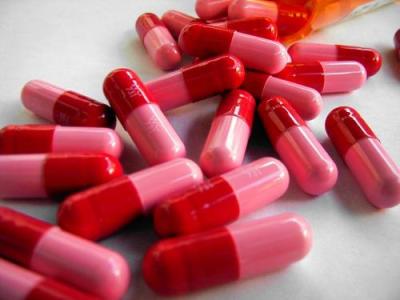
A groundbreaking study published in the European Journal of Endocrinology analyzed over 208,000 diabetic patients compared to 816,000 controls and uncovered a disturbing pattern: frequent antibiotic use correlates with significantly increased Type 2 diabetes risk. Patients who received 2-5 courses of penicillin showed an 8% elevated risk, while those with 5 or more courses faced a 23% increase. Even more concerning, quinolone antibiotics (such as ciprofloxacin) showed a 15% risk increase with 2-5 courses and a striking 37% increase with 5 or more prescriptions.
How Antibiotics Affect Blood Sugar
The mechanism behind this connection lies in your gut microbiome. Antibiotics don not discriminate between harmful pathogens and beneficial bacteria, causing widespread gut dysbiosis. Research published by the NIH demonstrates that antibiotic exposure reduces populations of beneficial bacteria like Bifidobacterium and Akkermansia while allowing inflammatory species like E. coli and Proteobacteria to flourish. This bacterial imbalance directly impacts insulin sensitivity and glucose metabolism.
The Role of Gut Microbiome in Diabetes
Your gut microbiome consists of trillions of microorganisms that influence everything from digestion to immune function. In healthy individuals, certain bacteria produce short-chain fatty acids like butyrate, which help regulate blood sugar and reduce inflammation. When antibiotic use disrupts this delicate ecosystem, butyrate-producing bacteria decline, contributing to insulin resistance—the hallmark of Type 2 diabetes. Meta-analyses in both the NIH and European Journal studies confirm distinct bacterial signatures in diabetic patients compared to healthy controls.
Who Is Most at Risk
Frequent antibiotic users face the highest risk, including children with recurring infections, elderly individuals, and those with chronic conditions requiring repeated courses. The penicillin and quinolone classes appear most problematic. If you are concerned about metabolic health, assess your current status with our BMI Calculator, as overweight individuals already face elevated diabetes risk.
Protecting Your Gut Health
Prevention starts with medication stewardship—only use antibiotics when medically necessary for bacterial infections, not viral illnesses. After antibiotic treatment, rebuild your microbiome with probiotic-rich fermented foods like yogurt, kefir, sauerkraut, and kimchi. A diverse, plant-based diet provides the fiber that beneficial bacteria need to thrive.
Diet for Diabetes Prevention
Nutrition plays a critical role in blood sugar regulation. Emphasize whole grains, vegetables, lean proteins, and healthy fats while minimizing processed foods and added sugars. Both the DASH and Mediterranean diets have demonstrated powerful protective effects against diabetes. For comprehensive guidance, explore our High Blood Pressure and Diabetes Diet Guide.
Natural Supplements for Blood Sugar
Several natural compounds show promise for blood sugar management. Cloves help regulate insulin, while garlic reduces inflammation. Medicinal mushroom blends support immune function and metabolic health, offering natural protection for your gut-blood sugar axis.
This website uses cookies to improve your experience. We'll assume you're ok with this, but you can opt-out if you wish.AcceptRejectRead More
Privacy & Cookies Policy
Privacy Overview
This website uses cookies to improve your experience while you navigate through the website. Out of these cookies, the cookies that are categorized as necessary are stored on your browser as they are essential for the working of basic functionalities of the website. We also use third-party cookies that help us analyze and understand how you use this website. These cookies will be stored in your browser only with your consent. You also have the option to opt-out of these cookies. But opting out of some of these cookies may have an effect on your browsing experience.