HealthSurgeon - Healthy Living and Fitness - Purium Coupon
Primary Navigation Menu
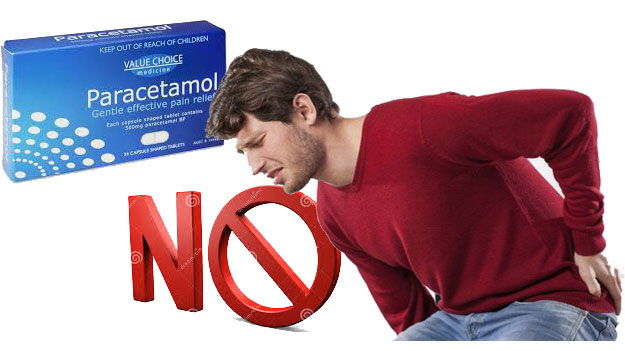
Paracetamol Not Good for Back Pain or Osteoarthritis
Paracetamol Fails to Relieve Back Pain and Osteoarthritis
Paracetamol (also known as acetaminophen or Tylenol) is the most widely used over-the-counter painkiller worldwide. For decades, doctors have recommended it as a first-line treatment for low back pain and osteoarthritis. However, a comprehensive systematic review published in the British Medical Journal has revealed that paracetamol provides virtually no meaningful relief for these conditions—and may pose significant health risks.
The Evidence Against Paracetamol
The BMJ systematic review analyzed 13 randomized controlled trials involving over 5,000 patients with low back pain. The findings were clear: high-quality evidence showed that paracetamol is ineffective for reducing pain intensity. Patients taking paracetamol experienced no clinically meaningful improvement compared to those taking a placebo.
For osteoarthritis of the hip and knee, the results were equally disappointing. While paracetamol showed minimal short-term benefit, the effect size—just 3.7 points on a 0-100 pain scale—falls well below the threshold for clinical significance. According to the Cleveland Clinic, patients with osteoarthritis need interventions that provide substantial, lasting relief, not marginal improvements.
Liver Toxicity Concerns
Beyond its lack of effectiveness, paracetamol carries a serious risk: liver toxicity. The BMJ review found that patients taking paracetamol are four times more likely to develop abnormal liver function tests. Even at recommended doses, chronic paracetamol use can strain the liver, particularly in individuals who consume alcohol or have pre-existing liver conditions.
What Works Better: Exercise and Natural Support
If paracetamol doesn’t work, what does? Research consistently shows that physical activity is more effective than paracetamol for both back pain and osteoarthritis. Exercise for Back Health improves strength, flexibility, and pain tolerance without the risk of liver damage.
For joint support, many people turn to natural supplements. Joint Flex supplement combines glucosamine, chondroitin, and anti-inflammatory botanicals to support joint health and mobility.
Rethinking Pain Management
Despite the growing evidence, UK NICE guidelines still recommend paracetamol for back pain and osteoarthritis. This guidance is outdated and fails to reflect current research. The BMJ review calls for an urgent revision of clinical recommendations.
If you currently rely on paracetamol for chronic pain, discuss alternatives with your healthcare provider. Options include physical therapy, targeted exercise programs, weight management, and evidence-based supplements. For comprehensive pain relief strategies, explore Natural Arthritis Remedies and Preventing Arthritis.
Paracetamol may be convenient, but convenience shouldn’t come at the cost of effectiveness—or your liver health.
This website uses cookies to improve your experience. We'll assume you're ok with this, but you can opt-out if you wish.AcceptRejectRead More
Privacy & Cookies Policy
Privacy Overview
This website uses cookies to improve your experience while you navigate through the website. Out of these cookies, the cookies that are categorized as necessary are stored on your browser as they are essential for the working of basic functionalities of the website. We also use third-party cookies that help us analyze and understand how you use this website. These cookies will be stored in your browser only with your consent. You also have the option to opt-out of these cookies. But opting out of some of these cookies may have an effect on your browsing experience.