HealthSurgeon - Healthy Living and Fitness - Purium Coupon
Primary Navigation Menu
15 Best Exercises to Help Prevent Falls in Seniors: Improve Balance, Strength, and Stability Naturally
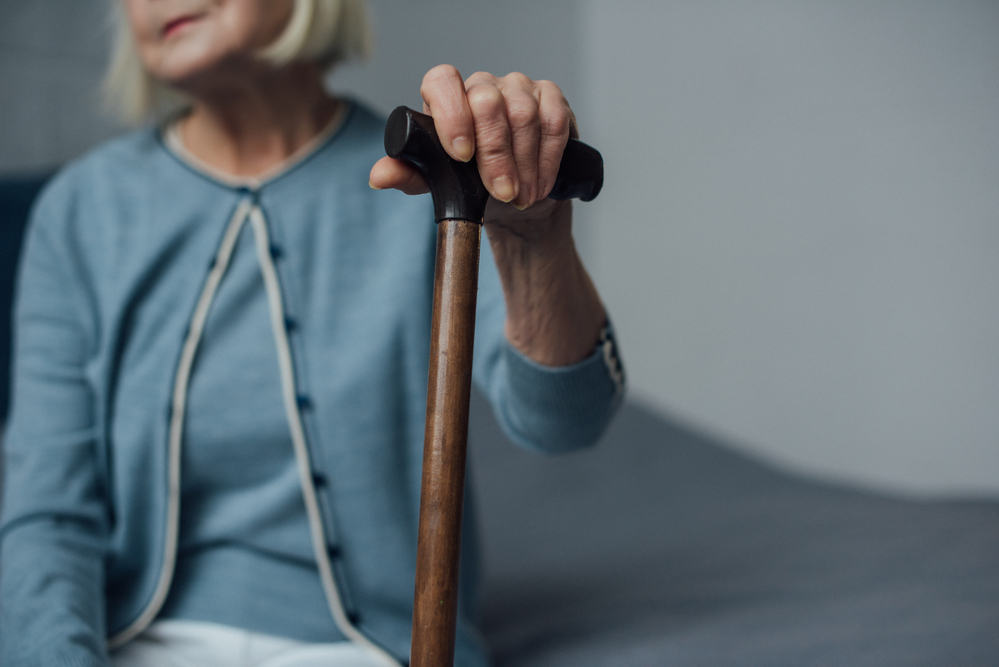
Falls are one of the leading causes of injury among older adults, but they are not an inevitable part of aging. In fact, many falls are preventable with the right combination of balance training, strength building, flexibility work, and coordination exercises. By incorporating targeted movements into your weekly routine, you can significantly reduce your risk of falling, maintain independence, and improve overall confidence in daily activities.
This guide explores the best exercises to help prevent falls, how they work, and how to safely integrate them into your lifestyle.
Why Fall Prevention Exercises Matter
As we age, natural changes occur in muscle strength, reaction time, vision, joint flexibility, and balance. These changes can make everyday tasks — such as climbing stairs, stepping off a curb, or getting out of a chair — more challenging.
To effectively prevent falls, your routine should include:
Balance exercises
Lower body strength training
Core stability exercises
Flexibility work
Functional movement training
Let’s explore the most effective exercises in each category.
Balance Exercises to Prevent Falls
Balance exercises retrain your body’s stabilizing muscles and nervous system to react quickly and efficiently.
Single-Leg Stand
How to do it:
Stand behind a sturdy chair and hold it for support.
Lift one foot off the floor.
Hold for 10–30 seconds.
Switch legs.
Why it works:
This strengthens ankle stabilizers and improves proprioception (your awareness of body position).
Progression: Try without holding the chair.
Heel-to-Toe Walk (Tandem Walk)
How to do it:
Walk in a straight line.
Place the heel of one foot directly in front of the toes of the other.
Take 10–20 slow steps.
Why it works:
Improves dynamic balance and walking coordination.
Weight Shifts
How to do it:
Stand with feet hip-width apart.
Shift weight slowly to one side.
Lift the opposite foot slightly.
Hold for 10 seconds.
Why it works:
Improves lateral stability, which helps prevent sideways falls — a common cause of hip fractures.
Strength Exercises for Fall Prevention
Strong leg muscles are essential for stability and recovery if you stumble.
Sit-to-Stand (Chair Squats)
How to do it:
Sit in a sturdy chair.
Cross arms over chest.
Stand up slowly without using hands.
Sit back down with control.
Repeat 10–15 times.
Why it works:
Strengthens quadriceps, glutes, and core — essential for daily movements.
Wall Squats
How to do it:
Stand with your back against a wall.
Slide down into a partial squat.
Hold for 5–10 seconds.
Return to standing.
Why it works:
Builds lower body endurance and joint stability.
Calf Raises
How to do it:
Stand behind a chair.
Rise onto your toes.
Slowly lower back down.
Repeat 10–15 times.
Why it works:
Strengthens lower leg muscles critical for walking and balance correction.
Step-Ups
How to do it:
Use a low step.
Step up with one foot.
Bring the other foot up.
Step down slowly.
Repeat 10 times per leg.
Why it works:
Improves leg strength and coordination needed for stairs and curbs.
Core Exercises to Improve Stability
A strong core keeps your center of gravity stable.
Seated Marching
How to do it:
Sit tall in a chair.
Lift one knee toward your chest.
Lower and switch legs.
Repeat 10–15 times per side.
Why it works:
Engages core muscles safely while improving coordination.
Standing March
Similar to seated marching but performed standing while holding a chair for support.
Why it works:
Improves single-leg balance and core control simultaneously.
Bird Dog (Modified)
How to do it:
Begin on hands and knees.
Extend one arm forward.
Extend opposite leg back.
Hold for 5 seconds.
Why it works:
Improves cross-body coordination and spinal stability.
Flexibility Exercises to Reduce Fall Risk
Tight muscles restrict movement and increase instability.
Hamstring Stretch
Sit on the edge of a chair.
Extend one leg forward.
Lean slightly forward.
Hold for 20 seconds.
Ankle Circles
Sit comfortably.
Lift one foot.
Rotate ankle clockwise and counterclockwise.
Improves ankle mobility, which is crucial for balance correction.
Functional Exercises for Real-Life Stability
Functional exercises mimic daily movements.
Side Leg Raises
Stand behind a chair.
Lift one leg to the side.
Lower slowly.
Strengthens hip abductors that stabilize walking.
Backward Walking (With Support)
Hold a counter.
Walk backward slowly.
Improves coordination and spatial awareness.
Tai Chi
Tai Chi is one of the most effective fall prevention practices. It combines slow, controlled movements with mindful weight shifts and balance challenges.
Studies show Tai Chi can reduce fall risk significantly by improving reaction time, muscle control, and confidence.
How Often Should You Exercise?
For optimal fall prevention:
Balance training: 3+ days per week
Strength training: 2–3 days per week
Flexibility: Daily or after workouts
Tai Chi or similar programs: 2–3 times weekly
Consistency is more important than intensity.
Safety Tips Before Starting
Consult your healthcare provider if you have medical conditions.
Supervised programs provide personalized guidance and accountability.
Final Thoughts
Falls are common, but they are not unavoidable. By incorporating targeted balance, strength, flexibility, and functional exercises into your weekly routine, you can dramatically reduce your risk.
The key is consistency. Just 20–30 minutes a day can build stronger muscles, better coordination, and greater confidence. Over time, these improvements translate into safer movement and greater independence.
If you or a loved one are concerned about fall risk, start small. Choose three exercises from this list and practice them regularly. Progress gradually and make movement a daily habit.
Your stability, safety, and confidence are worth it.
This website uses cookies to improve your experience. We'll assume you're ok with this, but you can opt-out if you wish.AcceptRejectRead More
Privacy & Cookies Policy
Privacy Overview
This website uses cookies to improve your experience while you navigate through the website. Out of these cookies, the cookies that are categorized as necessary are stored on your browser as they are essential for the working of basic functionalities of the website. We also use third-party cookies that help us analyze and understand how you use this website. These cookies will be stored in your browser only with your consent. You also have the option to opt-out of these cookies. But opting out of some of these cookies may have an effect on your browsing experience.