
Fiber is one of the most overlooked yet essential nutrients for optimal health. While many people focus on protein, fats, and carbs, fiber often gets pushed aside, despite its vital role in digestive health, weight management, heart health, and even blood sugar control.
Yet most people are not getting enough. The recommended daily intake of fiber is around 25 grams for women and 38 grams for men, but the average intake hovers around 15 grams. This fiber gap can contribute to digestive issues, higher cholesterol, blood sugar imbalances, and increased risk of chronic diseases.
Here’s why fiber is crucial for your health, what it actually does in your body, and the best foods to help you increase your intake naturally.
What Is Fiber?
Fiber is a type of carbohydrate found in plant-based foods that your body cannot fully digest. Instead of being broken down into sugar molecules like other carbs, fiber passes through your digestive system largely intact, providing a range of health benefits.
There are two main types of fiber:
- Soluble Fiber: Dissolves in water to form a gel-like substance, helping to lower cholesterol and stabilize blood sugar.
- Insoluble Fiber: Does not dissolve in water and adds bulk to stool, helping food pass more quickly through the digestive tract.
Both types are important for maintaining health and should be included in your daily diet.
Health Benefits of Fiber
1️⃣ Supports Digestive Health
Fiber is essential for maintaining regular bowel movements and preventing constipation by adding bulk and softness to stools. It helps your digestive system function efficiently, reducing discomfort, bloating, and irregularity.
A high-fiber diet also supports a healthy gut microbiome by feeding beneficial bacteria, which produce short-chain fatty acids that improve gut health and reduce inflammation.
2️⃣ Helps Control Blood Sugar Levels
Soluble fiber slows down the absorption of sugar, helping to prevent blood sugar spikes after meals. This is particularly beneficial for people with diabetes or insulin resistance.
Research shows that diets high in fiber can improve glycemic control, making it easier to maintain stable energy levels throughout the day.
3️⃣ Aids in Weight Management
Fiber is highly satiating, meaning it helps you feel full longer, which can naturally reduce calorie intake without feelings of deprivation. High-fiber foods take longer to chew and digest, giving your body time to signal fullness.
Studies have shown that people who consume more fiber tend to weigh less and are less likely to gain weight over time.
4️⃣ Supports Heart Health
Fiber, particularly soluble fiber, helps lower LDL (“bad”) cholesterol by binding to cholesterol particles in the digestive system and removing them from the body before they can enter circulation.
High-fiber diets have been linked to a reduced risk of heart disease, lower blood pressure, and improved cholesterol levels, making fiber essential for cardiovascular health.
5️⃣ May Reduce Risk of Certain Cancers
Some research suggests that a diet high in fiber may lower the risk of colorectal cancer by promoting regular bowel movements and reducing the time waste spends in the colon.
Additionally, fiber’s role in supporting gut health and reducing inflammation may contribute to lower risks of other types of cancer as well.
How Much Fiber Do You Need?
The Dietary Guidelines for Americans recommend:
- Women under 50: 25 grams per day
- Men under 50: 38 grams per day
- Women over 50: 21 grams per day
- Men over 50: 30 grams per day
It’s best to increase fiber intake gradually to prevent digestive discomfort, while ensuring you drink plenty of water to help fiber move efficiently through your system.
Best Sources of Fiber
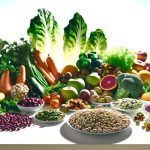
Whole, plant-based foods are the best way to increase your fiber intake naturally. Here are excellent sources:
✅ Fruits: Apples, pears, berries, oranges, bananas, avocados
✅ Vegetables: Broccoli, carrots, Brussels sprouts, leafy greens, sweet potatoes
✅ Legumes: Lentils, chickpeas, black beans, kidney beans, split peas
✅ Whole Grains: Oats, quinoa, brown rice, barley, whole wheat bread and pasta
✅ Nuts and Seeds: Almonds, chia seeds, flaxseeds, sunflower seeds
✅ Other: Popcorn (air-popped), psyllium husk (supplemental fiber)
For example, one cup of raspberries contains 8 grams of fiber, a cup of cooked lentils has 15 grams, and an ounce of chia seeds provides about 10 grams.
Simple Tips to Increase Fiber Intake
- Start your day with oatmeal topped with berries and flaxseeds.
- Add a handful of leafy greens to smoothies or scrambled eggs.
- Snack on raw vegetables with hummus instead of chips.
- Choose whole grain versions of bread, pasta, and rice.
- Add beans to soups, salads, and tacos for a fiber boost.
- Sprinkle chia or flaxseeds on yogurt, cereal, or salads.
Potential Precautions
While fiber is highly beneficial, increasing your intake too quickly can lead to bloating, gas, and discomfort. It’s best to:
✅ Increase intake gradually
✅ Stay hydrated
✅ Choose a variety of fiber sources for balanced nutrition
If you have digestive conditions like IBS, consult with your healthcare provider to determine the types and amounts of fiber that are best for you.
Conclusion: Fiber Is a Foundation for Wellness
Fiber is not just an optional nutrient—it is a foundational pillar of a healthy diet, supporting digestive health, heart health, weight management, blood sugar stability, and overall vitality.
By focusing on whole, plant-based foods rich in fiber, you can significantly improve your daily health and reduce the risk of chronic diseases, while also supporting your energy levels and gut health.
If you’re looking to make one powerful change in your diet, increasing your fiber intake is a practical, effective place to start.
Sources:
https://www.ucsfhealth.org/education/increasing-fiber-intake
https://pmc.ncbi.nlm.nih.gov/articles/PMC5731843/
https://www.upmcphysicianresources.com/news/011922-dietary-prevention-colon-cancer