HealthSurgeon - Healthy Living and Fitness - Purium Coupon
Primary Navigation Menu
Night Sweats: Causes, Symptoms, and Effective Treatments
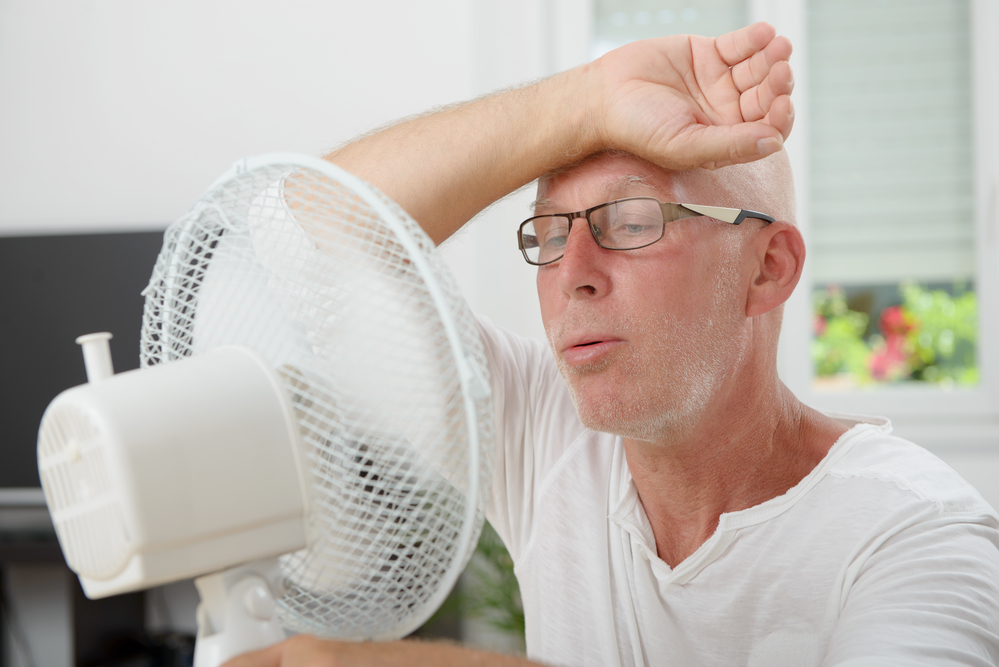
Waking up drenched in sweat during the night can be both uncomfortable and concerning. While occasional night sweats may simply result from a warm room or heavy blankets, frequent or severe episodes can signal an underlying health issue. Known medically as sleep hyperhidrosis, night sweats are a common condition that affects people of all ages.
In this article, we’ll explain what night sweats are, the most common causes, potential complications, and the most effective ways to manage and treat them.
What Are Night Sweats?
Night sweats are episodes of excessive sweating during sleep, often to the point where clothing and bedding become soaked. Unlike mild sweating due to warm temperatures, night sweats are usually more intense and can disrupt sleep quality.
They are considered a symptom rather than a condition, meaning they often point to another underlying issue—ranging from hormonal changes to infections or chronic illnesses.
Common Causes of Night Sweats
There are many possible causes of night sweats, and identifying the reason is key to effective treatment.
Night sweats occur frequently without obvious cause.
They are accompanied by unexplained weight loss, persistent fever, or cough.
They interfere significantly with your ability to sleep and function daily.
Persistent or severe night sweats should never be ignored, as they may indicate a serious health condition.
Final Thoughts
Night sweats can range from a minor annoyance to a sign of a serious medical condition. While environmental and lifestyle factors may explain occasional episodes, frequent or severe sweating at night should be evaluated by a healthcare professional.
By identifying the root cause—whether it’s menopause, infection, medication, or another condition—you can find effective treatment and improve both sleep quality and overall health.
Taking proactive steps like adjusting your sleep environment, practicing healthy habits, and seeking medical advice when necessary can make a significant difference in managing night sweats and restoring restful sleep.
This website uses cookies to improve your experience. We'll assume you're ok with this, but you can opt-out if you wish.AcceptRejectRead More
Privacy & Cookies Policy
Privacy Overview
This website uses cookies to improve your experience while you navigate through the website. Out of these cookies, the cookies that are categorized as necessary are stored on your browser as they are essential for the working of basic functionalities of the website. We also use third-party cookies that help us analyze and understand how you use this website. These cookies will be stored in your browser only with your consent. You also have the option to opt-out of these cookies. But opting out of some of these cookies may have an effect on your browsing experience.