HealthSurgeon - Healthy Living and Fitness - Purium Coupon
Primary Navigation Menu
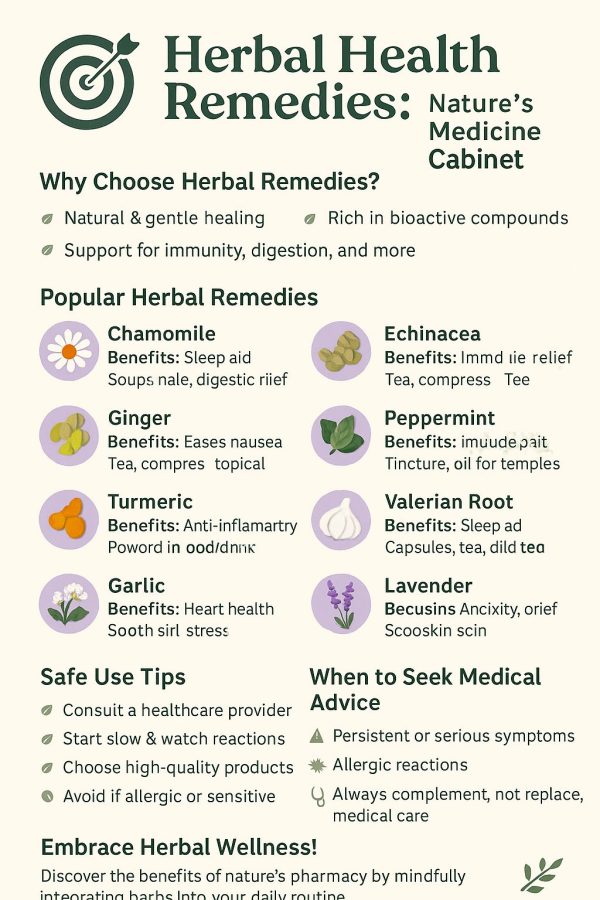
Herbal Health Remedies: Nature’s Medicine Cabinet
For centuries, cultures around the world have turned to nature’s pharmacy to treat ailments and maintain wellness. Herbal health remedies, derived from plants, roots, flowers, and seeds, offer natural alternatives to conventional medicine. While modern science continues to validate many traditional uses, it’s important to use herbal remedies thoughtfully, understanding their benefits and potential risks.
In this article, we’ll explore a range of herbal remedies for common health concerns, how to use them safely, and tips for incorporating them into your wellness routine.
The Power of Herbal Medicine
Plants have bioactive compounds that can support various body systems. These compounds include antioxidants, anti-inflammatories, and antimicrobial agents, making herbs powerful allies in promoting health. From soothing digestive issues to boosting immunity, herbal remedies offer gentle yet effective solutions.
Popular Herbal Remedies and Their Uses
Chamomile: The Calming Herb
Chamomile (Matricaria chamomilla) is best known for its calming properties. Commonly consumed as tea, chamomile helps with:
Sleep Disorders: Promotes relaxation and helps combat insomnia.
Digestive Upset: Eases indigestion, bloating, and gas.
Skin Irritations: Used topically to soothe eczema and minor rashes.
How to Use: Brew chamomile tea by steeping 1-2 teaspoons of dried flowers in hot water for 10 minutes. For skin applications, use cooled chamomile tea as a compress.
Ginger (Zingiber officinale) is renowned for its ability to alleviate nausea and improve digestion.
Motion Sickness & Morning Sickness: Reduces nausea and vomiting.
Anti-Inflammatory: Helps relieve muscle soreness and joint pain.
Digestive Health: Stimulates digestion and reduces bloating.
How to Use: Make ginger tea by simmering fresh ginger slices in hot water for 10-15 minutes. Ginger capsules or chews are convenient options for on-the-go relief.
Echinacea (Echinacea purpurea) is widely used to prevent and shorten the duration of colds and other infections.
Immune Support: Enhances the body’s defense mechanisms.
Wound Healing: Applied topically for cuts and insect bites.
How to Use: At the first sign of a cold, take echinacea tincture or capsules according to the package instructions. For topical use, dilute echinacea extract with water and apply with a cotton ball.
Peppermint: The Versatile Herb
Peppermint (Mentha piperita) offers a refreshing solution for several ailments.
Digestive Relief: Eases indigestion, gas, and irritable bowel syndrome (IBS).
Headache Relief: The menthol content can help relieve tension headaches.
Respiratory Aid: Acts as a natural decongestant.
How to Use: Enjoy peppermint tea after meals for digestion. For headaches, dilute peppermint essential oil with a carrier oil and apply to temples.
Turmeric (Curcuma longa) contains curcumin, a potent anti-inflammatory compound.
Joint Health: Alleviates symptoms of arthritis.
Heart Health: Supports cardiovascular function.
Antioxidant Benefits: Fights oxidative stress and supports overall health.
How to Use: Add turmeric powder to curries, smoothies, or golden milk (turmeric latte). Pair with black pepper to enhance absorption.
Valerian Root: Nature’s Tranquilizer
Valerian root (Valeriana officinalis) is often used as a natural remedy for sleep disorders and anxiety.
Sleep Aid: Helps improve sleep quality.
Stress Relief: Reduces nervous tension and promotes relaxation.
How to Use: Take valerian capsules or brew tea from dried valerian root about 30 minutes before bedtime.
Garlic: The Heart Protector
Garlic (Allium sativum) has been revered for its medicinal properties since ancient times.
Heart Health: Helps lower blood pressure and cholesterol levels.
Antimicrobial: Fights infections and boosts immune response.
Anti-Inflammatory: Supports overall health and well-being.
How to Use: Incorporate raw or cooked garlic into your meals regularly. Garlic supplements are also available.
Lavender: The Soothing Flower
Lavender (Lavandula angustifolia) is famous for its calming and mood-lifting effects.
Anxiety and Stress: Promotes relaxation and reduces anxiety.
Sleep Aid: Enhances sleep quality.
Skin Health: Helps heal minor burns and insect bites.
How to Use: Use lavender essential oil in a diffuser or add a few drops to your bath. For skin use, dilute with a carrier oil before application.
Tips for Safe Use of Herbal Remedies
Consult Your Healthcare Provider: Especially if you’re pregnant, nursing, have chronic health conditions, or are taking medications.
Start Slow: Introduce one herb at a time to monitor how your body reacts.
Quality Matters: Choose reputable brands that provide pure, high-quality herbs.
Watch for Allergies: Discontinue use if you experience allergic reactions such as rashes, itching, or swelling.
Be Patient: Herbal remedies may take time to show effects, as they often work gently and gradually.
When to Seek Medical Advice
Herbs can complement your wellness routine, but they are not a substitute for professional medical treatment. Always seek medical advice for serious or persistent symptoms, and never delay necessary medical care in favor of self-treatment.
Conclusion
Herbal remedies offer a natural and time-tested way to support your health. From calming chamomile to powerful turmeric, these plants provide a wealth of benefits that can enhance well-being when used wisely. By integrating herbal health remedies into your daily life—with care and mindfulness—you can tap into nature’s pharmacy and enjoy a holistic approach to health.
This website uses cookies to improve your experience. We'll assume you're ok with this, but you can opt-out if you wish.AcceptRejectRead More
Privacy & Cookies Policy
Privacy Overview
This website uses cookies to improve your experience while you navigate through the website. Out of these cookies, the cookies that are categorized as necessary are stored on your browser as they are essential for the working of basic functionalities of the website. We also use third-party cookies that help us analyze and understand how you use this website. These cookies will be stored in your browser only with your consent. You also have the option to opt-out of these cookies. But opting out of some of these cookies may have an effect on your browsing experience.