
Protein is often hailed as the cornerstone of muscle building, and for good reason. It’s an essential macronutrient that repairs tissue, supports muscle synthesis, and plays a critical role in every cell of your body. If you’re working out to build muscle, you’ve probably wondered: How much protein do I actually need to grow muscle effectively?
This comprehensive guide explores the optimal protein intake for muscle growth based on scientific research, activity levels, age, and goals—helping you get the most out of your workouts and nutrition plan.
Why Protein Is Crucial for Muscle Growth
Protein is composed of amino acids, the building blocks of muscle tissue. When you engage in resistance or strength training, tiny tears occur in your muscle fibers. Protein helps repair and rebuild these fibers, making them stronger and larger over time—a process known as muscle protein synthesis (MPS).
However, your body needs a consistent supply of dietary protein to support this process. Without adequate protein, muscle recovery slows, and gains can be significantly hindered.
How Much Protein Do You Need? The Basic Guidelines
The amount of protein you need depends on several factors, including your weight, training intensity, age, and overall goals (e.g., fat loss, muscle gain, or maintenance).
Here are the general recommendations based on the latest scientific findings:
- For Sedentary Adults
The Recommended Dietary Allowance (RDA) for protein is 0.8 grams per kilogram (g/kg) of body weight per day. This is sufficient to prevent deficiency, but it’s far too low for those aiming to build muscle.
- For Active Individuals and Recreational Lifters
If you’re moderately active or lift weights a few times a week, aim for 1.2 to 2.0 g/kg of body weight per day. This range supports recovery and muscle maintenance.
- For Serious Lifters and Athletes
Those engaging in intense training or bodybuilding benefit from 1.6 to 2.2 g/kg per day. Research shows that muscle protein synthesis peaks in this range, especially when protein is distributed evenly throughout the day.
- For Fat Loss (While Preserving Muscle)
In a calorie deficit, your body may break down muscle for energy. To combat this, increase your intake to 2.3 to 3.1 g/kg of lean body mass. High protein intake helps preserve muscle mass during weight loss.
Example Calculation:
If you weigh 75 kg (165 lbs) and are actively training for muscle growth:
- 1.6–2.2 g/kg = 120–165 grams of protein per day.
Protein Calculator | Daily Protein Intake Requirements | Protein Needs By Weight
Does More Protein Equal More Muscle?
Only up to a point. Excessive protein intake won’t necessarily speed up muscle growth if your body is already getting enough. Studies suggest that more than 2.2 g/kg per day offers no additional benefits in terms of muscle gain for most people, although it’s not harmful.
Instead of constantly increasing protein, focus on timing, quality, and distribution.
Protein Timing: When Should You Eat It?
While total daily protein intake matters most, timing also plays a role in maximizing muscle protein synthesis:
- Post-Workout Window
The “anabolic window” theory suggests consuming protein within 30–60 minutes after your workout. While the window may be wider than originally thought, eating a protein-rich meal soon after training still supports muscle repair.
- Spread It Out
Consuming protein in 3–5 evenly spaced meals throughout the day, each containing 20–40 grams of protein, promotes optimal synthesis. The body can only use so much protein for muscle building in a single meal.
- Before Bed
A slow-digesting protein like casein before bed can improve overnight muscle recovery and growth.
Quality Matters: Choose Complete Proteins
Not all proteins are created equal. Complete proteins contain all nine essential amino acids and are more effective at stimulating MPS.
Best Sources of High-Quality Protein:
- Animal-based: Chicken, beef, fish, eggs, dairy (Greek yogurt, cottage cheese, whey, casein)
- Plant-based: Soy, quinoa, buckwheat, and combinations like rice and beans or lentils and whole grains
If you follow a plant-based diet, ensure you’re eating a variety of sources to meet your amino acid needs.
Common Myths About Protein Intake
Myth 1: Too Much Protein Damages Your Kidneys
This claim has been debunked in healthy individuals. Unless you have pre-existing kidney disease, a high-protein diet is safe.
Myth 2: You Can Only Absorb 30g of Protein Per Meal
Your body absorbs and uses all the protein you eat—it just does so over time. While muscle-building benefits may max out at 20–40g per meal, the rest is still used for other bodily functions.
Myth 3: Supplements Are Necessary
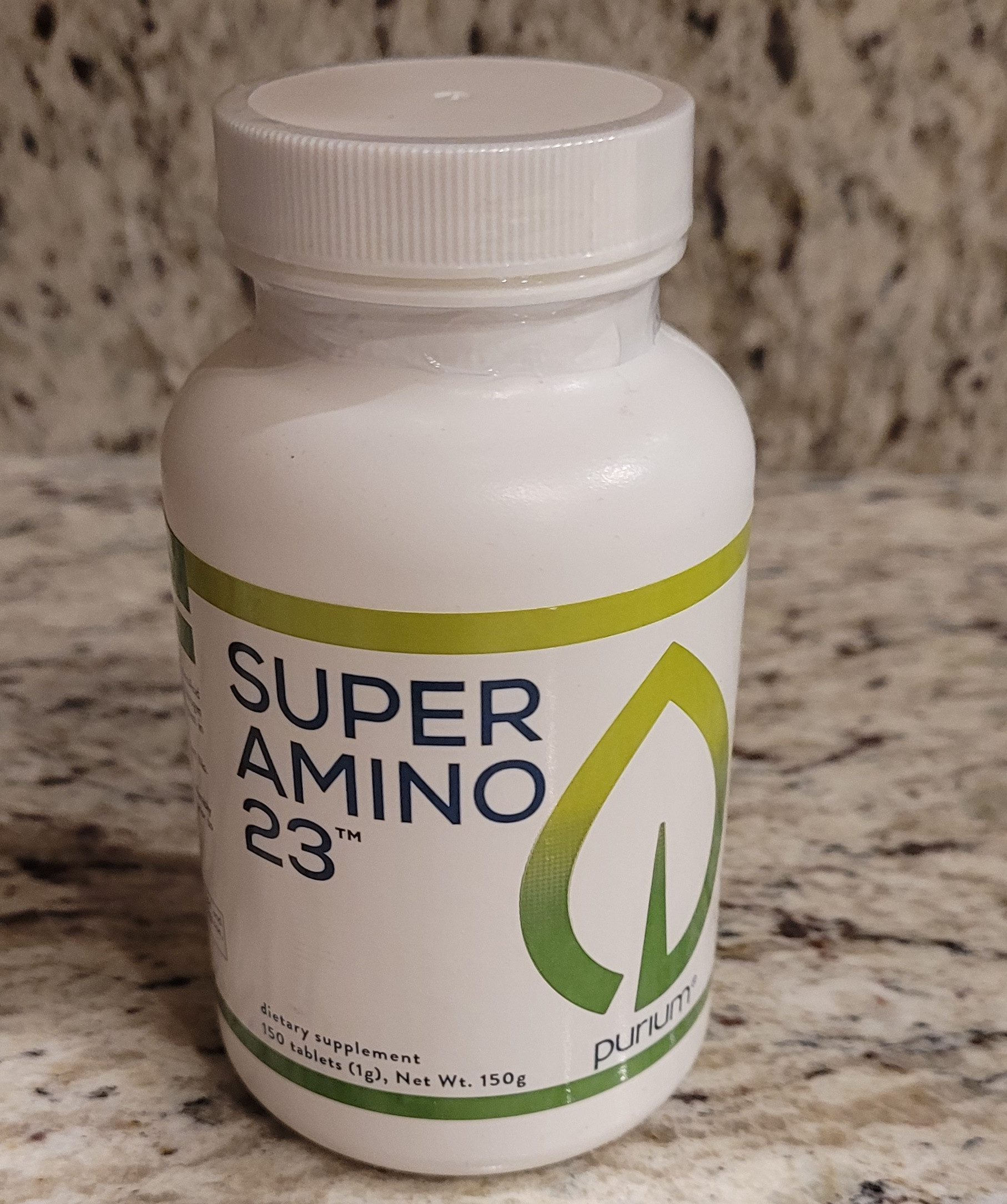
Supplements like whey protein are convenient, but whole food sources are just as effective. Use protein powder to meet your goals, not as a replacement for real food.
Special Considerations
Age
Older adults require more protein to stimulate the same muscle-building effect as younger individuals. Aim for the upper end of the range—around 1.6–2.2 g/kg.
Gender
Men and women need similar amounts relative to body weight. However, since men generally have more lean mass, their absolute intake may be higher.
Final Thoughts
Understanding how much protein you need for muscle growth can make or break your training results. While the exact amount varies based on activity level and goals, a target of 1.6–2.2 grams per kilogram of body weight per day is ideal for most people focused on muscle gain.
To optimize your results:
- Prioritize complete protein sources
- Distribute intake across the day
- Eat protein post-workout and before bed if possible
Whether you’re a seasoned bodybuilder or just starting your fitness journey, dialing in your protein intake is one of the most effective strategies to support muscle development, recovery, and overall health.
READ MORE: Health Benefits Of Muscle
Sources:
https://www.unitypoint.org/news-and-articles/how-much-protein-do-you-need-daily-ideal-protein-intake-for-muscle-growth-weight-loss-and-managing-chronic-conditions
https://www.usada.org/spirit-of-sport/when-consume-protein-muscle-growth/
https://www.heart.org/en/healthy-living/healthy-eating/eat-smart/nutrition-basics/protein-and-heart-health#:~:text=The%20recommended%20daily%20allowance%20(RDA,bodies%20are%20building%20more%20muscle.