
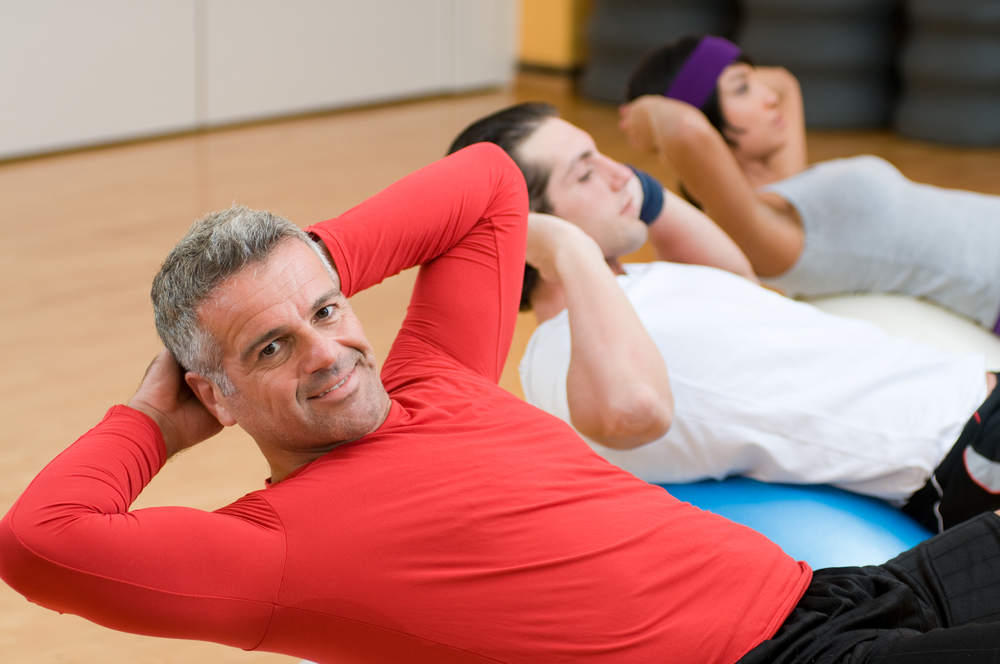
Traditional sit-ups have long been a staple in fitness routines, commonly touted as an effective way to build core strength and tone the abdominal muscles. However, in recent years, debates have arisen regarding their overall safety and effectiveness. So, are traditional sit-ups good or bad for you? The answer isn’t entirely black and white. Like many exercises, sit-ups come with both benefits and potential drawbacks. In this article, we’ll explore the science behind sit-ups, examine their pros and cons, and offer alternative approaches to building core strength.
The Appeal of Traditional Sit-Ups
For decades, sit-ups have been a go-to exercise for individuals aiming to develop a strong, defined core. Their popularity can be attributed to several factors:
- Accessibility: Sit-ups require no special equipment and can be performed anywhere.
- Core Engagement: They effectively target the rectus abdominis (the “six-pack” muscle) as well as the hip flexors.
- Simplicity: The movement is straightforward and easy to learn, making it an attractive option for beginners.
Because of these attributes, sit-ups have been integrated into countless fitness programs, military training regimens, and sports conditioning routines.
The Benefits of Traditional Sit-Ups
- Core Strength and Stability
When executed correctly, sit-ups can help strengthen the muscles in your core. A strong core is essential for good posture, improved balance, and overall functional strength. The core acts as a stabilizer during almost every physical activity—from lifting heavy objects to participating in sports—so having robust abdominal muscles can be beneficial for overall physical performance.
- Improved Athletic Performance
Many athletes incorporate sit-ups into their training routines because a strong core contributes to better power transfer between the upper and lower body. This is crucial in sports that involve running, jumping, or sudden changes in direction. For athletes, enhancing core stability can reduce the risk of injury and improve overall performance.
- Convenience and No-Cost Exercise
Sit-ups require no investment in gym memberships or special equipment. This makes them an excellent option for those who prefer to work out at home or on the go. With just a mat and a little space, you can incorporate sit-ups into your daily routine.
The Drawbacks and Risks
While there are benefits, it’s important to acknowledge the potential downsides of traditional sit-ups.
- Strain on the Lower Back
One of the most frequently cited concerns with sit-ups is the potential for lower back strain. During a sit-up, the hip flexors are heavily engaged to lift the upper body. Over time, this repetitive motion can put pressure on the lumbar spine, especially if the exercise is performed with poor form or excessive repetitions. Individuals with pre-existing lower back issues may find that traditional sit-ups exacerbate their pain.
- Overemphasis on the Hip Flexors
Traditional sit-ups not only work the abdominal muscles but also place significant emphasis on the hip flexors. When these muscles become too dominant, they can pull the pelvis forward, which may lead to an anterior pelvic tilt. This imbalance can contribute to lower back pain and potentially affect overall posture.
- Limited Range of Motion and Muscle Isolation
While sit-ups do engage the abdominal muscles, they may not be the most effective exercise for isolating and fully strengthening the entire core. The movement pattern of a sit-up can sometimes lead to the overuse of certain muscle groups while neglecting others, such as the deeper core stabilizers (like the transverse abdominis). As a result, relying solely on sit-ups might lead to an incomplete core workout.
- Risk of Improper Form
Executing sit-ups with poor form can diminish their benefits and increase the risk of injury. Common mistakes include pulling on the neck, rounding the back excessively, and using momentum rather than muscle engagement. These errors not only reduce the effectiveness of the exercise but also place unnecessary stress on the cervical and lumbar spine.
Are Sit-Ups “Good” or “Bad?”
The answer depends largely on how you perform them and your individual fitness needs. For many people, traditional sit-ups can be a beneficial component of a well-rounded exercise regimen—if performed with proper form, moderation, and as part of a diverse core-strengthening program. However, for those with lower back issues or for individuals looking to target the core more comprehensively, sit-ups might not be the ideal choice.
It’s also worth noting that the fitness industry has evolved, and many experts now advocate for alternative exercises that are easier on the back and better at engaging all core muscles.
Alternatives to Traditional Sit-Ups
If you’re concerned about the potential drawbacks of traditional sit-ups, consider incorporating these alternative exercises into your routine:
- Planks
Planks are a highly effective exercise for building core strength and stability without the repetitive flexion of the spine. They engage the entire core, including the deep stabilizing muscles. Variations such as side planks can further target the obliques.
- Crunches
While similar to sit-ups, crunches reduce the range of motion and minimize lower back strain. By focusing on the upper abdominal muscles, crunches can be a safer option for those with back concerns. However, even crunches should be performed with proper form to prevent neck strain.
- Leg Raises
Leg raises focus on the lower portion of the abdominals and hip flexors. When executed correctly, they can effectively target the lower abs while minimizing stress on the back. Lying leg raises or hanging leg raises are popular variations that can add variety to your core routine.
- Pilates
Pilates exercises emphasize controlled movements and focus on engaging the core. Many Pilates exercises target the deep abdominal muscles and offer a low-impact way to strengthen the core, making them a good alternative to traditional sit-ups.
- Bicycle Crunches
Bicycle crunches are a dynamic exercise that targets the rectus abdominis and obliques simultaneously. They involve a twisting motion that can enhance core engagement and help improve coordination.
Tips for Safe and Effective Core Workouts
Regardless of which core exercises you choose, here are some general tips to ensure you reap the benefits while minimizing the risk of injury:
- Focus on Form: Always prioritize proper technique over the number of repetitions. Consider working with a trainer or using a mirror to monitor your form.
- Warm-Up: Engage in a proper warm-up before your core workout to prepare your muscles and reduce the risk of strain.
- Incorporate Variety: A well-rounded core workout includes a mix of exercises that target all areas of the core. This not only prevents overuse injuries but also promotes balanced strength.
- Listen to Your Body: If you experience pain—especially in the lower back or neck—modify the exercise or try an alternative movement. Pain is often a signal that something isn’t right.
- Gradual Progression: Increase the intensity and duration of your workouts gradually. Overloading your muscles too quickly can lead to injury.
Final Thoughts
Traditional sit-ups have long held a place in fitness regimens for their simplicity and effectiveness in strengthening the abdominal muscles. However, like many exercises, they are not without their drawbacks—particularly when performed incorrectly or by individuals with certain physical limitations. For many, sit-ups can be a beneficial part of a diverse core-strengthening routine, but they may not be the best option for everyone.
By understanding both the benefits and potential risks, you can make an informed decision about whether sit-ups are right for you. Consider incorporating alternative core exercises such as planks, crunches, or Pilates into your workout routine to achieve a balanced, safe, and effective approach to building core strength and overall fitness. Ultimately, the key to a healthy exercise regimen is variety, proper form, and listening to your body’s signals.
Sources:
https://www.health.harvard.edu/staying-healthy/want-a-stronger-core-skip-the-sit-ups
https://www.bbc.com/future/article/20160418-the-surprising-downsides-of-sit-ups
https://health.osu.edu/wellness/exercise-and-nutrition/core-exercises-better-than-situps