HealthSurgeon - Healthy Living and Fitness - Purium Coupon
Primary Navigation Menu
1200 Calorie Diet Plan to Lose Weight Fast in 30 Days
What Is the 1200-Calorie Diet, and Does It Actually Work?
The 1200-calorie diet has been floating around health forums, diet blogs, and even some wellness magazines for years. The promise sounds almost too simple: eat fewer than 1,200 calories a day and drop weight quickly. Some people do lose weight on it — but the full picture is more nuanced than the headlines suggest.
Here’s what the science actually says about eating this little, who should avoid it, and how to use the concept without wrecking your metabolism.
The Basics of a 1200-Calorie Diet
One thousand two hundred calories per day was historically set as a minimum threshold for women by the FDA and various nutrition authorities. The reasoning was that below that number, it becomes nearly impossible to get adequate vitamins, minerals, and protein without supplementing. For men, the minimum is typically considered around 1,500 calories.
The mechanism is straightforward: a calorie deficit. If you consume fewer calories than your body burns, you lose weight. The NIH found that surgery and very low-calorie diets can produce significant short-term weight loss, though the long-term picture gets more complicated.
Your Basal Metabolic Rate Matters More Than You Think
Here’s the part most diet articles gloss over: your Basal Metabolic Rate — or BMR — is the number of calories your body burns just to keep you alive at rest. Breathing, circulating blood, maintaining body temperature, running your brain. For many adults, especially men, taller people, or those with more muscle mass, that number exceeds 1,200 calories per day.
When you eat fewer calories than your BMR, your body starts adapting. Your metabolism slows down. You feel more tired. Your body becomes more efficient at hoarding energy. This is evolutionary logic — your body thinks famine has hit. Over time, this makes continued weight loss harder and regain more likely once you return to normal eating.
You can calculate your approximate BMR or basal metabolic rate to understand your baseline before deciding how aggressive a calorie target should be.
What to Actually Eat on 1,200 Calories
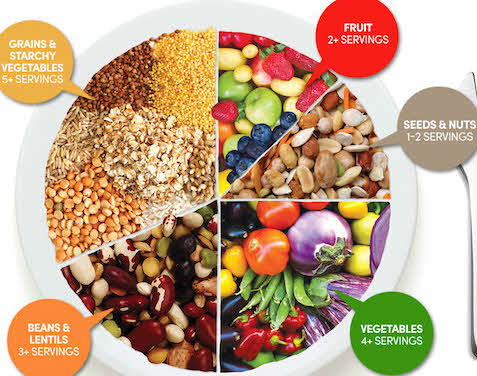
If you’re going to eat this little, the quality of those calories matters enormously. You can’t afford to fill your quota with empty calories.
Focus on high-volume, nutrient-dense foods:
Vegetables — Leafy greens, broccoli, zucchini. You can eat enormous volumes of these for very few calories. Aim to fill half your plate with them at every meal.
Lean protein — Chicken breast, white fish, eggs, Greek yogurt. Protein preserves muscle mass during weight loss and keeps you fuller longer.
Fruits — Berries, apples, melons. These provide vitamins, fiber, and natural sweetness without a huge calorie load.
Fiber-rich foods — Oats, beans, lentils. Fiber slows digestion and helps you stay satisfied between meals.
Avoid anything fatty and sugary — chips, cookies, fried foods, candy. On 1,200 calories, those foods would eat up too much of your daily budget without delivering nutrition.
Hydration and Nutrient Gaps
Drinking plenty of water is one of the simplest and most effective strategies for anyone on a low-calorie plan. Research suggests that 3 litres of water a day can support weight loss by helping control appetite and slightly boosting metabolism. Water has no calories, so it doesn’t compete with your food budget.
But there’s a real risk with 1,200 calories: you simply can’t fit every essential nutrient into that few calories through food alone. This is where a good greens supplement can help fill nutritional gaps — providing vitamins, minerals, and antioxidants that might otherwise be missing from a restricted eating plan.
Who Should Avoid This Approach
A 1,200-calorie diet is not appropriate for everyone. It’s generally too low for men, athletes, pregnant or nursing women, people with a history of eating disorders, and anyone with certain medical conditions. If you’re active or have a higher body mass, your body likely needs more fuel than this to function properly.
A healthy BMI and your activity level should inform your calorie targets, not the other way around. A blanket “1,200 calories for everyone” approach ignores individual differences in body size, composition, and energy expenditure.
What Results Can You Realistically Expect?
Weight loss on a 1,200-calorie diet varies significantly by person. Someone weighing 113 kg or more might lose 8-10 pounds in the first month because they’re creating a larger calorie deficit. Someone who is 68 kg might lose much less — or, in some cases, struggle to lose anything at all because their body is already close to its natural weight.
The Harvard Health study on calorie counting notes that sustained, moderate calorie reduction tends to produce more durable results than extreme restriction, precisely because the latter is harder to maintain long-term.
Long-Term Sustainability
The biggest question isn’t whether a 1,200-calorie diet works for 30 days — it’s whether it works for 30 months. Most people who go very low-calorie regain their weight once they return to higher intake, because the approach wasn’t sustainable.
A better strategy might be to use moderate calorie reduction as a jumpstart, then transition to a more balanced intake that includes strength training, consistent healthy weight loss tips, and mindful portion control. For a structured approach to combining diet and exercise, consider a 3 Month Weightloss Diet and Exercise Plan that builds in gradual transitions rather than extreme restriction.
If you need diet plan to lose weight approaches that don’t rely on severe calorie counting, there are many sustainable paths to getting to a healthier weight. The key is finding an approach you can actually live with long-term.
The Bottom Line
A 1,200-calorie diet can produce rapid weight loss in the short term, but it comes with significant caveats. It may be too restrictive for many people, it risks nutrient deficiencies, and it’s not sustainable for most. If you choose to try it, do so under guidance, prioritize nutrient quality over simple calorie counting, and plan your transition to a more moderate eating pattern before you start.
Your health is a long game. Quick losses can be motivating, but lasting results come from habits you can maintain — not from surviving on the smallest number of calories possible.
This website uses cookies to improve your experience. We'll assume you're ok with this, but you can opt-out if you wish.AcceptRejectRead More
Privacy & Cookies Policy
Privacy Overview
This website uses cookies to improve your experience while you navigate through the website. Out of these cookies, the cookies that are categorized as necessary are stored on your browser as they are essential for the working of basic functionalities of the website. We also use third-party cookies that help us analyze and understand how you use this website. These cookies will be stored in your browser only with your consent. You also have the option to opt-out of these cookies. But opting out of some of these cookies may have an effect on your browsing experience.