HealthSurgeon - Healthy Living and Fitness - Purium Coupon
Primary Navigation Menu
5 Foods to Eat and Avoid to Lose Weight 7 Days Faster
What Really Moves the Needle on Weight Loss — It’s Not Exercise
Here’s a fact that most people hear and don’t quite believe: what you eat matters far more than how much you move when it comes to weight loss. You can’t out-exercise a bad diet. Period. The calories you consume in a day dwarf the calories you burn at the gym — and even more so, the calories you burn sitting at your desk.
So which foods accelerate fat loss, and which ones sabotage it? Let’s break down five food categories and the evidence behind each recommendation.
1. Fruits and Vegetables — Your Best Friends
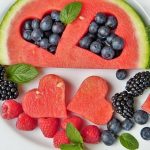
Eating five or more servings of fruits and vegetables per day is one of the most consistently supported recommendations in nutrition research. The reason is simple: these foods are nutrient-dense, high in fiber, and relatively low in calories. You can eat a large volume of them and feel full without blowing your calorie budget.
Raspberries, watermelon, and pomegranate are particularly interesting because they’re loaded with antioxidants that may help reduce inflammation — a factor increasingly linked to weight gain and metabolic dysfunction. Fiber in these foods also feeds the beneficial bacteria in your gut, which plays a role in how efficiently your body processes energy.
On the flip side, junk food — pizzas, burgers, fries — delivers a dangerous combination: ultra-palatable, calorie-dense, and designed to override your body’s natural satiety signals. You don’t feel full after a large pizza the way you do after a large bowl of vegetables. That’s biology, not willpower.
2. Protein Sources — Beans, Lentils, and Lean Meats
Protein has a special property in the weight loss equation: the thermic effect of food. Your body burns more calories digesting protein than it does digesting carbohydrates or fats. On top of that, protein is the most satiating macronutrient — it keeps you fuller for longer.
Beans and lentils are especially valuable because they combine protein with fiber, giving you a double whammy of fullness and blood sugar stability. Lean proteins like chicken breast and fish support muscle preservation during weight loss, which is critical because muscle tissue burns more calories at rest than fat tissue does.
The original advice to avoid fatty and sugary foods makes sense here too — a fatty, sugary protein source (like a bacon cheeseburger) negates many of the benefits that lean protein provides.
3. High-Fiber Foods — The Underrated Weight Loss Tool
Spinach, leafy greens, and whole grains are the backbone of a successful weight loss diet. Fiber does several things simultaneously: it slows digestion (keeping you full), it moderates blood sugar spikes (reducing cravings), and it feeds beneficial gut bacteria.
Research increasingly shows that the composition of your gut microbiome influences how your body stores fat and regulates appetite. A diet rich in diverse plant-based fibers supports a healthier gut ecosystem, which can indirectly support weight management.
High-fiber foods also have a physical property that matters: they take up more space in your stomach. A bowl of oatmeal or a side of steamed spinach gives your brain the signal that you’re full, even though the calorie count is relatively low.
4. Dairy — The Nuanced Truth
The original article recommends fat-free milk and yogurt while advising against cheese and margarine. This is where things get interesting — because the science has evolved since that recommendation was written.
Some recent research suggests that full-fat dairy isn’t as harmful as once thought. The key distinction may be between minimally processed full-fat dairy (like a plain Greek yogurt) and highly processed dairy products (like cheese snacks or flavored yogurt drinks with added sugar). The latter are indeed problematic, but plain full-fat dairy consumed in moderation may not be the villain it was painted to be.
That said, fat-free options are still a valid choice, especially if you’re trying to maintain a calorie deficit. The important thing is choosing minimally processed dairy products and avoiding those loaded with added sugars.
5. Beverages — What You Drink Matters Just as Much
Sugary drinks are arguably the single worst thing you can consume for weight loss. A 12-ounce soda has about 150 calories and virtually no nutritional value. But because liquid calories don’t trigger satiety signals the way solid food does, most people don’t naturally compensate by eating less elsewhere.
Tea — particularly green tea — has modest but measurable benefits for metabolism and fat oxidation. Studies have shown that regular tea consumption can support a slightly higher metabolic rate, though the effect is small and should be viewed as a supplement to, not a replacement for, dietary changes.
If you need something sweet, a Stevia sugar alternative like stevia is a zero-calorie option that doesn’t trigger the blood sugar spikes associated with regular sugar.
The Calorie Math — And Why It’s More Complex Than It Seems
The original article references a simple formula: burn 500 extra calories a day and create a 500-calorie deficit, yielding 2 pounds of weight loss per week. The Mayo Clinic does cite this 3,500-calories-per-pound rule as a rough guideline.
But here’s the catch: this math isn’t linear. As you lose weight, your body requires fewer calories to function. Your BMR drops. The same 500-calorie deficit that works in week one may produce diminishing returns by week eight. This is why diet and exercise plans that periodically reassess calorie needs tend to be more effective than static plans.
Practical Tips Beyond the Basics
Meal timing matters more than most people think. Eating larger meals earlier in the day, when your metabolism is naturally more active, may support better weight management. Food combinations also play a role — pairing carbohydrates with protein and fiber blunts blood sugar responses and extends the feeling of fullness.
For natural weight loss ways that don’t require a gym membership, focus on these high-leverage behaviors: drink more water, eat more fiber, prioritize protein at every meal, and don’t skip breakfast. These are the behaviors that move the needle the most.
Track your calories burned through activity and use it to inform your food choices. Understanding your waist-to-hip ratio can also provide insight into where your body stores fat — which has implications for health risk beyond just the number on the scale.
Product Support: When Food Isn’t Quite Enough
Even the best diet has gaps, especially when you’re eating in a calorie deficit. can help ensure you’re getting the healthy fats, vitamins, and antioxidants your body needs, even when your food volume is reduced. Think of it as nutritional insurance — a small daily investment that supports the larger diet plan.
The Bottom Line
Focus on whole, minimally processed foods — fruits, vegetables, lean proteins, fiber-rich grains. Minimize junk food, sugary drinks, and highly processed items. The difference between these food groups can be dramatic, and the science supporting this approach is robust. But also remember: healthy eating tips are most effective when combined with consistent physical activity. Diet drives weight loss; exercise drives health. You need both for the best outcomes.
Your food choices today determine how your body feels tomorrow. Make them count.
This website uses cookies to improve your experience. We'll assume you're ok with this, but you can opt-out if you wish.AcceptRejectRead More
Privacy & Cookies Policy
Privacy Overview
This website uses cookies to improve your experience while you navigate through the website. Out of these cookies, the cookies that are categorized as necessary are stored on your browser as they are essential for the working of basic functionalities of the website. We also use third-party cookies that help us analyze and understand how you use this website. These cookies will be stored in your browser only with your consent. You also have the option to opt-out of these cookies. But opting out of some of these cookies may have an effect on your browsing experience.