HealthSurgeon - Healthy Living and Fitness - Purium Coupon
Primary Navigation Menu
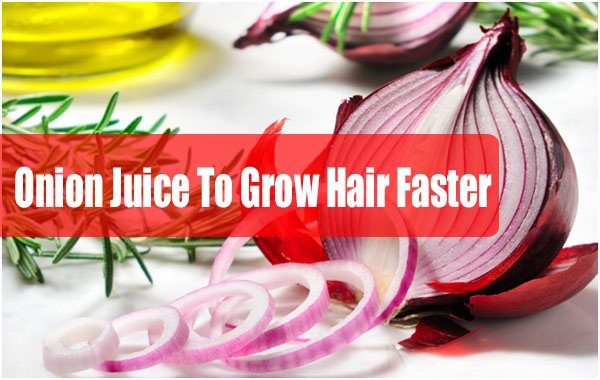
3 Natural Ways to Use Onion Juice to Grow Hair Faster
Can Onion Juice Really Help Your Hair Grow Faster?
If you have ever struggled with hair loss or slow growth, you have probably come across some pretty extreme solutions — from pricey transplants to unproven supplements. But what if the answer was already in your kitchen?
Onions have been used for centuries in folk medicine, and modern science is starting to catch up. A 2002 study published in the Journal of Dermatology found that 87 percent of participants with patchy hair loss saw new hair regrowth after six weeks of applying crude onion juice topically. Compare that to just 13 percent in the tap water control group. That is a pretty big difference.
The Science Behind Onion Juice and Hair
The magic ingredient is sulfur. Onions are packed with it, and sulfur is a building block of keratin — the structural protein your hair is made of. When you apply onion juice to your scalp, the sulfur may help strengthen existing hair and support new growth at the follicle level.
Onions also contain flavonoids like quercetin and kaempferol, which have anti-inflammatory properties that can help calm scalp irritation. And here is a bonus: onions contain catalase, an enzyme that helps break down hydrogen peroxide. Over time, hydrogen peroxide builds up at the hair roots and can contribute to premature greying.
Three Ways to Use Onion Juice for Hair Growth
Method 1: Onion Juice and Honey Scalp Treatment
Mix half a cup of fresh onion juice with one teaspoon of honey. Apply it directly to your scalp and massage gently for five to seven minutes. Leave it on for 30 to 60 minutes, then rinse thoroughly with a mild shampoo. The honey helps mask the smell while adding moisture to your hair.
For best results, do this two to three times per week. Results typically become noticeable within four to six weeks of consistent use.
Method 2: Eat More Onions Daily
Getting sulfur from your diet works from the inside out. Add raw onions to salads, use them as a garnish, or incorporate cooked onions into your meals. The sulfur you consume through food supports overall hair health and may help strengthen strands from the root.
Method 3: Onion-Infused Water Rinse
Chop four or five onions and boil them in one litre of water. Let it cool to room temperature, then strain and use the onion water as a final rinse after shampooing. This method is milder and less smelly than the direct juice application, making it easier to stick with long-term.
Complementary Natural Remedies
Pair your onion juice routine with coconut oil, neem, or aloe vera applied to the scalp for added nourishment. These all have conditioning properties that can improve overall hair texture while the onion juice works on regrowth.
You can also look into Renew, Hair, Skin and Nails, a Purium supplement designed to provide targeted nutritional support for collagen production — another key factor in healthy hair.
Setting Realistic Expectations
Hair grows about half an inch per month on average, so do not expect miracles in a week. The 2002 study showed measurable results at the six-week mark, and most people notice the best improvements after two to three months of consistent treatment. Reduced shedding usually comes first, followed by new growth along the hairline.
Always do a patch test before the first full application — especially if you have a sensitive scalp. Apply a small amount behind your ear and wait 24 hours. If there is no redness or irritation, you are good to proceed.
The Bottom Line
Onion juice is not a magic cure, but the evidence suggests it can genuinely help with hair regrowth, particularly for people with alopecia areata. It is cheap, accessible, and backed by at least one peer-reviewed study. If you are dealing with hair thinning or slow growth, it is worth a shot before reaching for more aggressive treatments.
If you are looking for other natural remedies for hair loss, you might also want to explore the broader range of holistic approaches beyond just onion juice.
For more tips on meeting your nutrition targets to support healthy hair from the inside, check out our guide on targeted nutritional support.
This website uses cookies to improve your experience. We'll assume you're ok with this, but you can opt-out if you wish.AcceptRejectRead More
Privacy & Cookies Policy
Privacy Overview
This website uses cookies to improve your experience while you navigate through the website. Out of these cookies, the cookies that are categorized as necessary are stored on your browser as they are essential for the working of basic functionalities of the website. We also use third-party cookies that help us analyze and understand how you use this website. These cookies will be stored in your browser only with your consent. You also have the option to opt-out of these cookies. But opting out of some of these cookies may have an effect on your browsing experience.