HealthSurgeon - Healthy Living and Fitness - Purium Coupon
Primary Navigation Menu
Nutrition and Depression: What the Science Actually Says
Nutrition and Depression: What the Science Actually Says
Let’s clear something up right away: no food, no supplement, and no natural remedy should ever replace professional treatment for depression. If you’re struggling with depression, talk to a doctor or therapist. Period.
But here’s what a rapidly growing body of research tells us: what you eat matters for your mental health. The field of nutritional psychiatry is relatively new, but it’s accumulating real evidence that diet can influence mood, anxiety, and cognitive function — both as a complement to treatment and as a preventive strategy for those at risk.
The Omega-3 Connection
Omega-3 fatty acids, particularly EPA and DHA found in fatty fish like salmon, mackerel, and sardines, have been studied extensively in the context of depression. A large 2023 umbrella review of meta-analyses published in the British Journal of Nutrition — analyzing data from 67 randomized controlled trials — found that omega-3 supplementation significantly improved depressive symptoms in adults. The effect was most pronounced at doses of 1 to 1.5 grams per day.
However, an important caveat: the large VITAL-DEP trial (involving over 18,000 adults) found that omega-3 supplementation did not prevent the onset of depression in healthy people. The evidence points to omega-3s helping people who are already experiencing symptoms — not acting as a vaccine against it.
The formulation matters too. Research consistently shows that formulations with at least 60% EPA (and a 2:1 or 3:1 EPA-to-DHA ratio) tend to be more effective than those dominated by DHA. EPA appears to be the more neuroactive component, suppressing neuroinflammation and potentially affecting dopamine signaling and brain-derived neurotrophic factor (BDNF) levels.
B Vitamins and Mood
B vitamins — particularly B6, B12, and folate — play a crucial role in producing neurotransmitters like serotonin and dopamine. Deficiency in any of these vitamins has been linked to depressive symptoms, and correcting a deficiency can improve mood. Studies show that depressed patients often have lower levels of B vitamins, and supplementation in deficient individuals may support mood improvement alongside standard treatment.
Magnesium: The Overlooked Nutrient
Research published in the Journal of Affective Disorders found that about half of psychiatric patients have subclinical magnesium deficiency. Magnesium is involved in over 300 enzymatic reactions in the body, including those that regulate neurotransmitters. Some studies suggest magnesium supplementation may help reduce depressive symptoms, particularly when combined with other treatments. Foods rich in magnesium include leafy greens, nuts, seeds, and whole grains.
Vitamin C and Cognitive Function
Vitamin C is a cofactor in the synthesis of neurotransmitters including norepinephrine and serotonin. Research published in the Brain Health Guide highlights how maintaining adequate vitamin C levels supports overall cognitive function. Studies have shown that lower vitamin C levels are associated with worse cognitive performance, and supplementation may improve cognitive processing speed and reduce cognitive fatigue.
This isn’t about mega-dosing vitamin C — it’s about ensuring you’re getting enough from whole foods or a quality supplement.
What About the Mediterranean Diet?
Perhaps the strongest evidence in nutritional psychiatry comes from diet pattern studies. The SMILES trial, published in the Australian and New Zealand Journal of Psychiatry, found that a modified Mediterranean diet significantly reduced depression symptoms compared to social support alone. The diet emphasized whole grains, legumes, nuts, olive oil, fish, and plenty of fruits and vegetables — while limiting processed foods, red meat, and added sugars.
Why this diet pattern? It’s packed with the nutrients mentioned above: omega-3s from fish, folate from leafy greens, magnesium from nuts and seeds, antioxidants from colorful vegetables, and probiotics from fermented foods that support the gut-brain axis. It’s also anti-inflammatory, and growing evidence suggests that inflammation plays a role in depression.
Practical Steps — Not Quick Fixes
If you’re managing depression, here are evidence-informed nutrition strategies to discuss with your healthcare provider:
Eat fatty fish twice weekly: Salmon, mackerel, sardines, and anchovies are the best dietary sources of EPA and DHA omega-3s
Don’t skip the greens: Spinach, kale, and other leafy greens provide folate and magnesium
Add nuts and seeds: Walnuts, flaxseeds, and chia seeds add plant-based omega-3s and magnesium
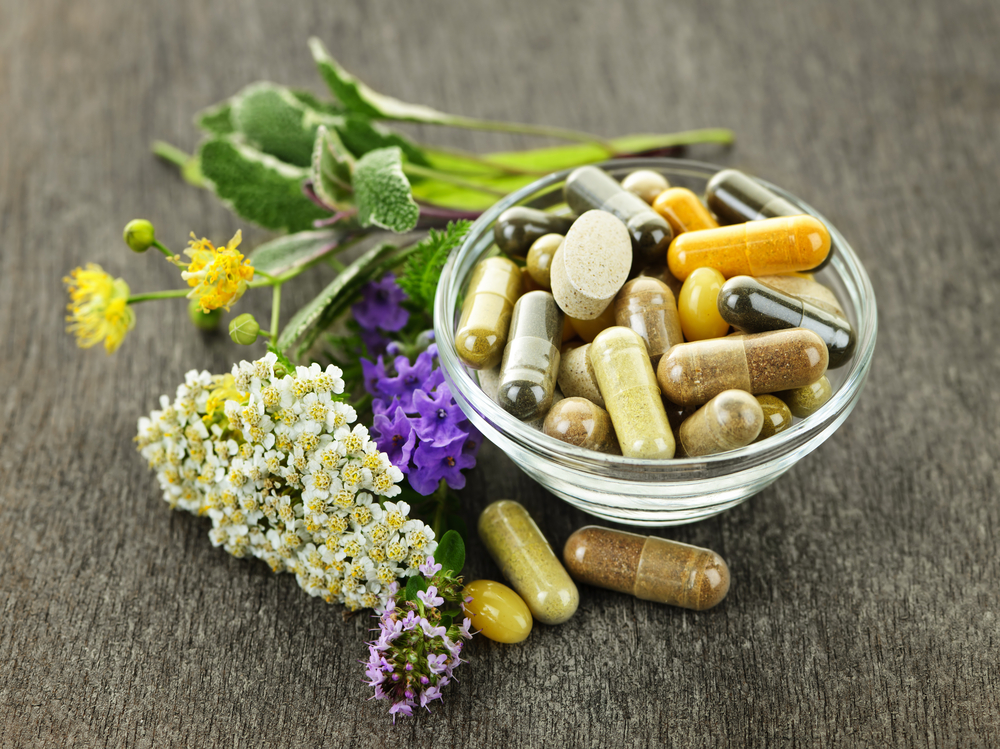
Consider a quality supplement: If you don’t eat fish regularly, a fish oil or algae-based omega-3 supplement with a high EPA ratio may be worth discussing with your doctor
Limit processed foods: High sugar and trans fat intake has been associated with increased depression risk in observational studies
Stay hydrated: Dehydration can affect concentration and mood — aim for adequate water intake throughout the day
The Gut-Brain Connection
Your gut bacteria influence your brain through the vagus nerve, immune signaling, and production of neurotransmitters. About 90% of your body’s serotonin is produced in the gut. Fermented foods (yogurt, kefir, sauerkraut, kimchi), prebiotic fiber (onions, garlic, bananas, asparagus), and a diverse plant-based diet all support a healthy gut microbiome, which in turn may support mood regulation.
Don’t Skip Professional Help
Here’s the critical point that deserves emphasis: nutrition and supplements are complementary approaches, not replacements for professional treatment. If you’ve been diagnosed with depression, the most effective treatment is usually a combination of therapy and, when appropriate, medication. Nutrition can support and enhance that treatment — but it shouldn’t replace it.
Think of it like this: if you have a broken leg, you’d get a cast and physical therapy. Eating calcium-rich foods afterward is a good idea — it supports your bones healing. But eating calcium alone won’t fix a broken leg. Nutrition is the same way with mental health: it’s foundational support, not a standalone cure.
Looking Forward
Nutritional psychiatry is still emerging. We don’t yet have definitive “prescriptions” for specific foods to treat specific mental health conditions. But the evidence is clear enough to recommend a nutrient-dense, anti-inflammatory diet as part of any comprehensive approach to mental health — whether you’re managing an existing condition or trying to stay mentally well.
If you’re looking for a convenient way to boost your intake of brain-supportive nutrients, Essential Mushroom Blend provides a potent combination of adaptogenic mushrooms that may support cognitive function and stress management, working alongside proper nutrition and professional care.
This website uses cookies to improve your experience. We'll assume you're ok with this, but you can opt-out if you wish.AcceptRejectRead More
Privacy & Cookies Policy
Privacy Overview
This website uses cookies to improve your experience while you navigate through the website. Out of these cookies, the cookies that are categorized as necessary are stored on your browser as they are essential for the working of basic functionalities of the website. We also use third-party cookies that help us analyze and understand how you use this website. These cookies will be stored in your browser only with your consent. You also have the option to opt-out of these cookies. But opting out of some of these cookies may have an effect on your browsing experience.