
Inflammation is at the root of many modern health concerns, from joint pain and digestive discomfort to skin irritation and chronic disease. While pharmaceutical anti-inflammatory drugs can be effective, many people are turning to plant-based remedies to support the body more gently and sustainably. One lesser-known but increasingly discussed medicinal plant is Joseph’s Coat, botanically known as Alternanthera littoralis.
Used traditionally in parts of Asia, Africa, and the Caribbean, Joseph’s Coat has a long history in folk medicine as a cooling, cleansing, and anti-inflammatory plant. Modern interest is growing as researchers explore its bioactive compounds and potential health benefits.
This article explores Joseph’s Coat (Alternanthera littoralis) as a plant-based anti-inflammatory, including its traditional uses, active compounds, potential health benefits, and safe ways it has been used.
What Is Joseph’s Coat (Alternanthera littoralis)?
Joseph’s Coat (Alternanthera littoralis) is a leafy, perennial plant belonging to the Amaranthaceae family. It is sometimes confused with other Alternanthera species, but A. littoralis is distinct for its medicinal use rather than ornamental value.
The plant typically features:
- Smooth, elongated green leaves
- Soft stems
- Low-growing, spreading growth habit
It thrives in warm, tropical climates and grows easily in gardens, wetlands, and along roadsides.
In traditional systems of medicine, Joseph’s Coat is valued not just as a healing herb but also as an edible leafy green, making it a unique example of food-as-medicine.
Traditional Uses of Joseph’s Coat
For generations, Joseph’s Coat has been used in traditional herbal practices to address conditions associated with heat, inflammation, and toxicity in the body.
Historically, it has been used for:
- Reducing swelling and inflammation
- Soothing irritated skin and rashes
- Supporting liver function and detoxification
- Easing digestive discomfort
- Supporting wound healing
In many cultures, the leaves are consumed as a vegetable or brewed into herbal preparations, reinforcing its reputation as a gentle, daily-use anti-inflammatory plant.
Why Inflammation Matters
Inflammation is a natural immune response, but chronic inflammation can contribute to conditions such as:
- Arthritis and joint pain
- Inflammatory bowel conditions
- Skin disorders
- Cardiovascular disease
- Metabolic disorders
Plant-based anti-inflammatories are often rich in antioxidants and phytochemicals that help regulate inflammatory pathways without the harsh side effects associated with long-term drug use.
Anti-Inflammatory Compounds in Alternanthera littoralis
Research into Alternanthera species has identified several bioactive compounds that may contribute to its anti-inflammatory effects.
These include:
Flavonoids
Flavonoids are powerful antioxidants that help neutralize free radicals and reduce inflammatory signaling in the body. They play a role in:
- Lowering oxidative stress
- Protecting cells from damage
- Supporting immune balance
Phenolic Compounds
Phenols are known for their ability to modulate inflammatory enzymes and reduce tissue irritation.
Saponins
Saponins may help regulate immune responses and support detoxification pathways.
Alkaloids and Tannins
These compounds have been studied for their antimicrobial and inflammation-modulating properties, particularly in skin and digestive health.
Together, these phytochemicals give Joseph’s Coat its reputation as a cooling and soothing herb.
Potential Health Benefits of Joseph’s Coat as an Anti-Inflammatory
- Joint and Muscle Inflammation Support
Traditionally, Joseph’s Coat has been used to ease swelling and discomfort in joints and muscles. Its anti-inflammatory properties may help:
- Reduce stiffness
- Support mobility
- Ease mild aches associated with overuse or aging
This makes it of interest to individuals seeking botanical support for joint health.
- Digestive Tract Soothing
Inflammation in the digestive system can lead to bloating, discomfort, and irregular digestion. Joseph’s Coat has historically been used as a cooling digestive herb, potentially helping to:
- Calm irritated intestinal tissues
- Support gut lining health
- Promote smoother digestion
Its mild nature makes it suitable for ongoing dietary inclusion in traditional settings.
- Skin and External Inflammation
Topical use of crushed leaves or herbal washes made from Joseph’s Coat has been traditionally applied to:
- Rashes
- Minor wounds
- Insect bites
- Skin irritation
Its antioxidant and anti-inflammatory compounds may help calm redness and support the skin’s natural healing processes.
- Liver and Detoxification Support
Chronic inflammation is closely linked to liver stress. In folk medicine, Joseph’s Coat is considered a cleansing plant, often used to support liver function and systemic inflammation reduction.
By helping the body manage oxidative stress, the plant may indirectly support healthier inflammatory balance.
How Joseph’s Coat Is Traditionally Used
Joseph’s Coat has been prepared in several ways, depending on cultural tradition:
As a Cooked Leafy Green
- Leaves are lightly cooked like spinach
- Often combined with other vegetables
- Provides gentle, food-based anti-inflammatory support
As an Herbal Tea
- Fresh or dried leaves steeped in hot water
- Consumed to support digestion and internal cooling
As a Poultice or Wash
- Fresh leaves crushed and applied to the skin
- Used for localized inflammation or irritation
Is Joseph’s Coat Safe?
Joseph’s Coat is generally regarded as safe when used traditionally as a food or mild herbal preparation. However:
- People with underlying medical conditions should consult a healthcare professional
- Pregnant or breastfeeding individuals should seek guidance before medicinal use
- Proper plant identification is essential to avoid confusion with non-medicinal species
As with all herbs, moderation and informed use are key.
Growing Interest in Plant-Based Anti-Inflammatories
As awareness grows around the risks ofchronic inflammation, plants like Joseph’s Coat (Alternanthera littoralis) are gaining renewed attention. Its combination of traditional use, nutritional value, and promising phytochemical profile makes it a compelling option for those exploring natural wellness approaches.
Final Thoughts
Joseph’s Coat (Alternanthera littoralis) stands out as a versatile, plant-based anti-inflammatory with deep roots in traditional medicine. Its antioxidant-rich leaves, gentle cooling properties, and historical use as both food and medicine highlight its potential role in supporting inflammatory balance naturally.
While more modern research is still emerging, the long-standing use of Joseph’s Coat suggests it may be a valuable addition to a holistic approach to health—especially when combined with a balanced diet, healthy lifestyle, and professional medical guidance.
This article is for educational purposes only and does not replace professional medical advice. Always consult a qualified healthcare provider before using herbs for medicinal purposes.
Sources:
https://www.sciencedaily.com/releases/2025/12/251221043237.htm
https://www.foxnews.com/health/brazilian-coastal-plant-shows-early-promise-easing-arthritis-inflammation
https://www.dailymail.co.uk/health/article-15405497/Arthritis-breakthrough-experts-herbal-remedy-powerful-pain-relieving-properties.html
Purium products for Healthy Inflammatory Response:
Biome Medic
Super Xanthin
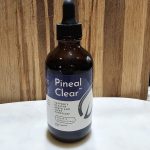
Pineal Clear
Apothe-Cherry