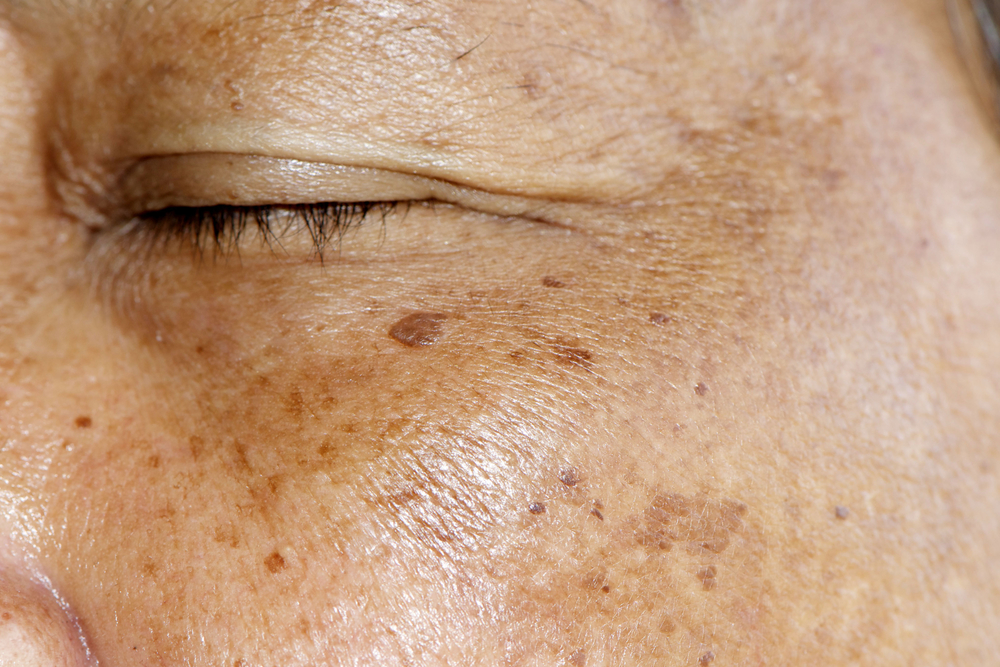
What Dark Spots Actually Are
You notice them one morning in the mirror — a few small, darker patches where there used to be even-toned skin. Maybe on your cheek, maybe on your hands. Maybe one you’ve had for years and just never thought about.
Those spots are called hyperpigmentation, and they’re more common than most people realize. They happen when your skin produces extra melanin — the pigment that gives your skin its color — in one area more than another. They’re usually harmless, but they can be frustrating to look at, and the internet is full of conflicting advice about what to do with them.
Here’s what actually matters — and it’s a lot more straightforward than the product aisle would have you think.
Before diving into types, one note on the antioxidant angle: pigmentation is partly driven by oxidative stress in the skin, so what you’re feeding your body matters. A micronutrient-rich diet that supports skin regeneration gives your repair processes the raw materials they need. A daily greens supplement like
The Three Main Types
Not all dark spots are the same. Knowing which one you’re dealing with changes what will actually work.
Sunspots (Solar Lentigines)
These are the most common type. Years of UV exposure stimulate melanin production in patches, usually on the face, hands, and shoulders. If you’ve spent decades outdoors without consistent sunscreen, you probably have a few. They tend to be small, well-defined, and brownish.
Melasma
These show up as larger, irregular dark patches, often across the cheeks or upper lip. Hormonal changes are the usual trigger — pregnancy (which is why it’s sometimes called “the mask of pregnancy”), birth control pills, or hormone replacement therapy. Melasma can be trickier to fade than sunspots because it keeps getting re-triggered while the hormonal influence is present.
Post-Inflammatory Hyperpigmentation (PIH)
If you’ve dealt with acne, eczema, a bad sunburn, or even a small cut that healed unevenly, you’ve probably seen PIH. During the healing process, your skin can overproduce melanin in that spot. It’s extremely common in darker skin tones, where the inflammatory response triggers more melanin than in lighter skin.
What Actually Causes Them
Sun exposure is the number one driver. UV light tells your melanocytes to crank out more pigment — that’s the mechanism behind tanning. But when it happens unevenly, you get spots instead of an even tan.
Other triggers include:
- Hormonal shifts — pregnancy, oral contraceptives, HRT
- Skin inflammation — acne, eczema, rashes, even cosmetic procedures done too aggressively
- Certain medications — some antibiotics and birth control pills make skin more sensitive to light
- Age — as skin matures, it can develop patches on the sides of the face that aren’t sun-related
Darker skin tones are at higher risk for PIH specifically, because the inflammatory response triggers a stronger melanin surge.
What Works (and What Doesn’t)
Here’s the honest truth: fading dark spots takes time. Any product or treatment that promises dramatic results in a week is not being realistic.
Topical Treatments
Hydroquinone is still considered the gold standard for fading hyperpigmentation. It works by slowing melanin production. It’s available over the counter in lower concentrations and by prescription in stronger ones.
Retinoids (like retinol or prescription tretinoin) speed up cell turnover, helping shed pigmented skin faster. They work well alongside hydroquinone.
Vitamin C (topical, not just ingested) has evidence supporting its role in fading pigmentation and protecting against UV damage. Kojic acid and azelaic acid are other well-studied options that work by inhibiting tyrosinase, the enzyme that drives melanin production.
A 2023 review published in the biomedical literature found that certain tyrosinase inhibitors reduced melanin production by up to 53% in lab settings — promising, but lab results don’t always translate directly to real skin.
You can also look into antioxidants for skin health — compounds like flavonoids help protect skin from oxidative stress that can worsen pigmentation.
Professional Procedures
Chemical peels, laser treatments, and dermabrasion can be effective for stubborn spots, especially sunspots. But they need to be done by an experienced professional, and they’re not a substitute for daily sun protection. Without sunscreen, the spots will come back.
If you’re exploring natural approaches, natural remedies for skin conditions can complement a topical routine — but they’re not a replacement for evidence-based treatments.
The One Thing That Matters Most
Before you buy any product, do this: wear sunscreen every single day, SPF 30 or higher. Not just in summer. Not just on vacation. Every day, even when it’s cloudy, even when you’re mostly indoors.
This is the single most important step. No topical treatment will work if you keep exposing the treated area to UV. Sunscreen isn’t optional here — it’s the foundation everything else is built on.
Also try to protect your skin from unnecessary irritation. Picking at acne, using scrubs that are too harsh, or getting aggressive cosmetic treatments can all trigger new PIH. Gentle, consistent care beats aggressive, infrequent treatments.
When to See a Dermatologist
Most dark spots are benign and can be managed at home with consistent sunscreen and a good topical routine. But you should see a dermatologist if:
- A spot is new, changing in size or shape, or bleeding
- You’re not sure what type of pigmentation you’re dealing with
- Spots persist despite 3–6 months of consistent treatment
- You’re considering laser or chemical peel treatments
A proper diagnosis matters. What looks like a sunspot could occasionally be something that needs different attention.
For a fuller picture on how skin health connects to everything else you’re doing — sleep, stress, nutrition — it’s worth looking at the holistic approach to skin health. The gut-skin axis is real, and what you eat does affect how your skin heals and regenerates.
Harvard Health has a thorough breakdown of hyperpigmentation causes and treatments in Demystifying Hyperpigmentation. And for a deeper scientific review of the melanin pathway and available treatments, this PMC review is worth a skim if you like reading the primary sources.
And for a gentle, natural layer of your routine, natural skincare ingredients like coconut oil can help with moisture and barrier support alongside — not instead of — the fundamentals.
[asd_free_examples]