HealthSurgeon - Healthy Living and Fitness - Purium Coupon
Primary Navigation Menu
Coconut Oil Health Benefits
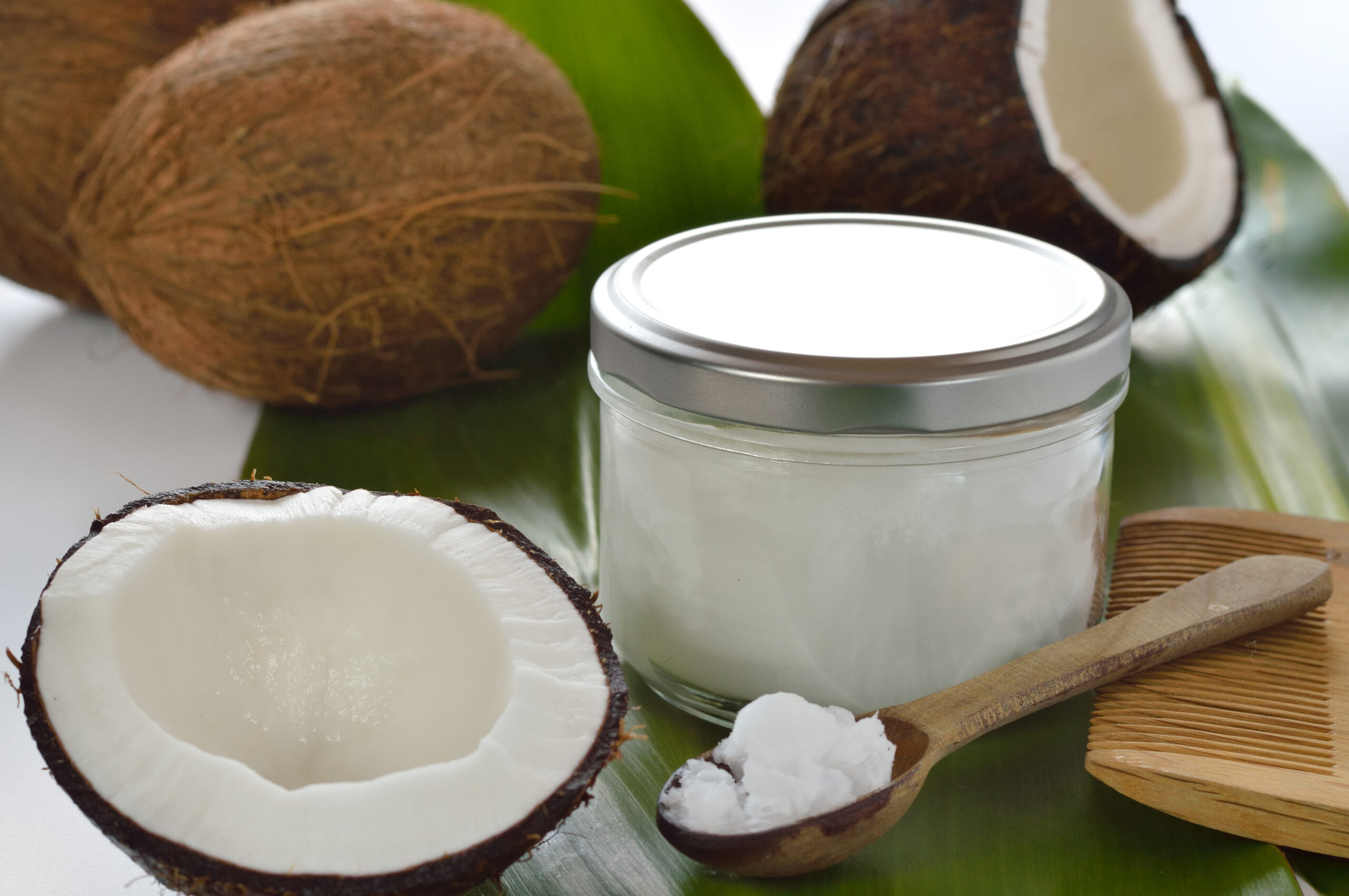
The health benefits of coconut oil have been around for a long time but it is only recently that they have started to be accepted by the mainstream medical community. Coconut oil is a great alternative to other oils as it is a good source of heart healthy fats that do not adversely affect blood cholesterol.
History
Dr. Weston Price, a dentist, traveled through the South Pacific in the 1930’s examining traditional diets and the health of the populations he visited. Coconut products were an everyday staple food choice for the populations he encountered. He discovered that those eating lots of coconut products were healthy and trim despite the high fat concentration in coconut products.
During World War 2 the Japanese cut off America’s supply of coconut oil. This led to American manufacturers creating vegetable oils to fill the gap in America’s kitchens. The vegetable oil industry used advertising to promote vegetable oils as a healthy alternative to coconut oil. They also blamed coconut oil for raising cholesterol and the rising increase in heart disease.
Coconut oil was on shaky ground.
Current Research:
Quick Energy Source. – Good source of medium chain fatty acids that are turned into energy quickly.
Lowers Cholesterol. – Promotes heart health. Coconut oil increases HDL (the good cholesterol) while lowering LDL (the bad cholesterol) New England Deaconess Hospital Study (Norton et al 2004).
Aids Weight Loss. – Does not turn to fat in your body. The medium chain fatty acids found in coconut oil are processed directly in the liver and immediately turned into energy.
Strengthens Immunity.- Fights disease. Good source of lauric acid.
Raises Metabolism. – Burns fat and increases energy.
Skin and Hair Moisturizer. – Safe and effective all natural moisturizer.
Improves Brain Function. Ketones found in coconut oil provide energy sources for damaged brain cells.
Understanding Medium Chain Fatty Acids – Lauric Acid
Coconut Oil is made up of medium chain fatty acids (MCFAs). Medium-chain fatty acids are more easily digested than fats found in other oils. Medium chain fatty acids are processed directly in the liver and are quickly converted into energy rather than being stored as fat. This boosts metabolism.
Coconut Oil contains lauric acid a MCFA which is also found in breast milk. Lauric acid strengthens a newborns immune system. Research is showing that lauric acid can help to strengthen everyone’s immune system. Adults could probably benefit from 10 to 20 grams of lauric acid per day.
Medium chain fatty acids in coconut oil are so nutritious that they are used in baby formulas and hospitals to feed the critically ill.
Purchasing Coconut Oil:
Coconut oil can be found available at many grocery stores, health food stores and online. Keep in mind not all coconut oils are the same. You want to do some research to find the most natural unprocessed product that you can.
Look for labels that say unrefined, organic or unprocessed. You do not want refined, bleached or deodorized. As close to natural as possible.
Coconut oil is solid at 76 degrees Fahrenheit. It will turn liquid when heated.
Should smell like a coconut.
Conclusion
Coconuts and coconut oil are a staple natural whole food choice in tropical regions of the world and have been for centuries. Adding coconut oil to your diet has many discovering how coconut oil helps them lose weight, increase metabolism, improve digestion and protects against some disease.
Coconut Oil is good for you! The Lauric Acid in Coconut Oil boosts your Immune System! #HealthSurgeon
Coconut oil is a healthy addition for everyone to add to their diet. Coconut oil does not turn to fat in your body and is safe to use. It raises body metabolism, so you burn more fat and have more energy.
Coconut oil has had a wildly inconsistent reputation. For years it was the healthiest cooking fat on the internet, then a handful of meta-analyses showed up and the narrative flipped completely. The truth, as usual, is somewhere in the middle, and it’s more interesting than either side wants to admit.
What Coconut Oil Actually Is
Coconut oil is roughly 90% saturated fat, which sounds alarming. But not all saturated fats behave the same way in your body. About half of coconut oil’s fat content is lauric acid (C12), a medium-chain fatty acid that gets processed differently than the long-chain saturated fats in butter or beef. It goes straight to the liver and is metabolized more efficiently.
Here’s the part older health articles tend to skip: lauric acid raises LDL cholesterol, yes, but it also raises HDL (the “protective” cholesterol) more than most other saturated fats. The net effect on your LDL-to-HDL ratio is actually less bad than the old narrative suggested. It’s not neutral, it’s not great, but it’s not the worst option in the pantry either.
What the Research Actually Shows
A 2019 narrative review in the Journal of the American College of Nutrition went through the human trial data on coconut oil and found modest metabolic benefits in some markers, particularly in people with existing metabolic syndrome or type 2 diabetes PubMed: Health Effects of Coconut Oil — A Narrative Review.
The caveats are significant. Most of the studies were small, short-term, and used coconut oil as a replacement for other fats (like butter or lard), not as an addition to the diet. The benefits showed up when coconut oil was taking the place of something worse. That’s a different story than “add coconut oil to an already-processed food diet.”
For heart health specifically, the evidence is mixed enough that MedlinePlus heart disease resources recommend keeping total saturated fat intake low, and coconut oil qualifies as saturated fat for that purpose.
The Uses People Actually Try It For
As a cooking fat
Coconut oil has a smoke point around 350°F, which makes it fine for gentle sautéing and baking. It’s not ideal for high-heat searing. The flavor is mild, slightly sweet, and works well in baked goods and curries. For general cooking, it’s interchangeable with other oils, not superior.
For oral care
“Oil pulling” — swishing coconut oil in your mouth for 10-20 minutes — is one of the more popular uses. The evidence is thin. A small number of studies showed modest reductions in oral bacteria, but the sample sizes were tiny and the methodology was inconsistent. It’s not harmful, but don’t expect it to replace brushing and flossing.
For skin and hair
Coconut oil is a decent occlusive moisturizer, meaning it locks in moisture. For people with dry, flaky skin, it can help. For people prone to clogged pores (facial acne, in particular), it’s comedogenic and can make things worse. Hair, it can make feel shinier, but it doesn’t actually change hair structure.
The Saturated Fat Question
This is where the debate gets messy. The American Heart Association has long recommended keeping saturated fat under 10% of daily calories. Coconut oil is roughly 82% saturated, so a tablespoon contains about 12 grams of saturated fat.
That’s a meaningful portion of your daily budget if you’re already eating cheese, butter, and red meat. The practical guidance from most lipid specialists: if you’re using coconut oil, use it as a swap, not an addition. Replacing butter with coconut oil in your coffee doesn’t improve your lipid profile. Replacing the butter in your cooking with coconut oil is roughly neutral. Replacing the lard in your baking is a modest improvement.
If you’re working on your cholesterol numbers, the guide to lowering triglycerides covers the full dietary picture, including how saturated fat choices fit in.
Practical Guidance
If you enjoy it: Keep it to 1 tablespoon per day, used as a replacement for another fat, not on top of everything else.
If you’re managing cholesterol: Be deliberate about where it fits in. It’s not the worst choice, but it’s not the best choice either.
For cooking: Use it when you want its flavor profile (baking, gentle sautéing, curries). For high-heat cooking, other oils are better.
For the “healthy fat” crowd: Coconut oil is one of several options. Olive oil, avocado, and fatty fish have stronger cardiovascular evidence. It’s fine, but it’s not the star of the show.
If you’re interested in the broader “healthy fats” conversation, our guide to why probiotics matter for gut health touches on how dietary fat composition affects the gut microbiome, which is where some of coconut oil’s metabolic effects actually originate. And if periodontal health is a concern, our article on 6 nutrition tips for preventing periodontal disease covers what actually works for oral health, with the oil pulling question addressed honestly.
Coconut oil is a real food with a real chemical profile, not a miracle and not a poison. It’s a saturated fat with some unique properties, and the evidence supports moderate use as a swap rather than enthusiastic addition to the diet. The viral claims are wrong in both directions. That’s the actual answer.
This website uses cookies to improve your experience. We'll assume you're ok with this, but you can opt-out if you wish.AcceptRejectRead More
Privacy & Cookies Policy
Privacy Overview
This website uses cookies to improve your experience while you navigate through the website. Out of these cookies, the cookies that are categorized as necessary are stored on your browser as they are essential for the working of basic functionalities of the website. We also use third-party cookies that help us analyze and understand how you use this website. These cookies will be stored in your browser only with your consent. You also have the option to opt-out of these cookies. But opting out of some of these cookies may have an effect on your browsing experience.