HealthSurgeon - Healthy Living and Fitness - Purium Coupon
Primary Navigation Menu
Sardines Health Benefits: A Nutrition Powerhouse for Heart, Brain, Bones, and Protein
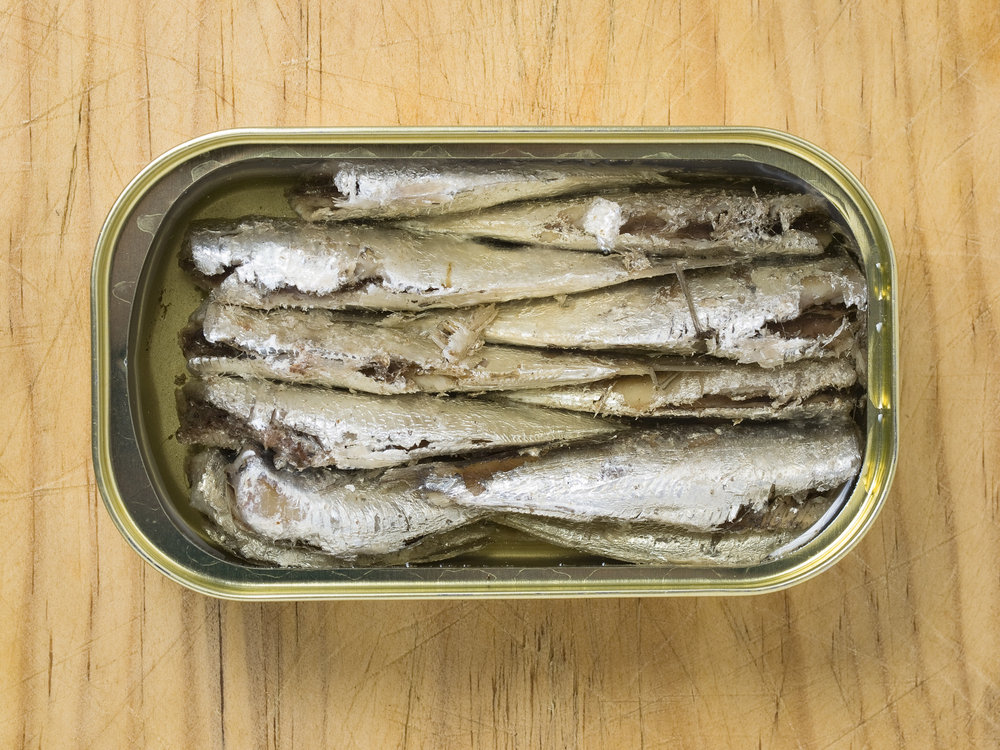
Sardines may not be the flashiest food in the grocery store, but if your goal is to improve your health through nutrition, they deserve a top spot on your list. These small, oily fish are one of the most nutrient-dense proteins you can eat—packed with omega-3s, high-quality protein, vitamin D, calcium (when you eat the bones), and key minerals that many people don’t get enough of.
They’re also affordable, widely available (often canned), and easy to add to meals without complicated cooking. In a world of expensive “superfoods,” sardines are a practical, evidence-informed choice that supports heart health, brain function, muscle maintenance, and metabolic wellness.
Why Sardines Are a “Superfood” in Disguise
Sardines are typically small saltwater fish (often young pilchards) that are eaten whole—skin, and sometimes bones. That “whole food” nature is part of why they’re so nutritious. When you eat the bones, for example, you’re getting a meaningful calcium boost. And because sardines are low on the food chain, they tend to accumulate fewer contaminants than larger predatory fish.
From a nutrition perspective, sardines offer a rare combination:
High protein
High omega-3 fats
High micronutrients (vitamin D, B12, selenium, iodine, calcium)
That’s a strong package for people focused on long-term health.
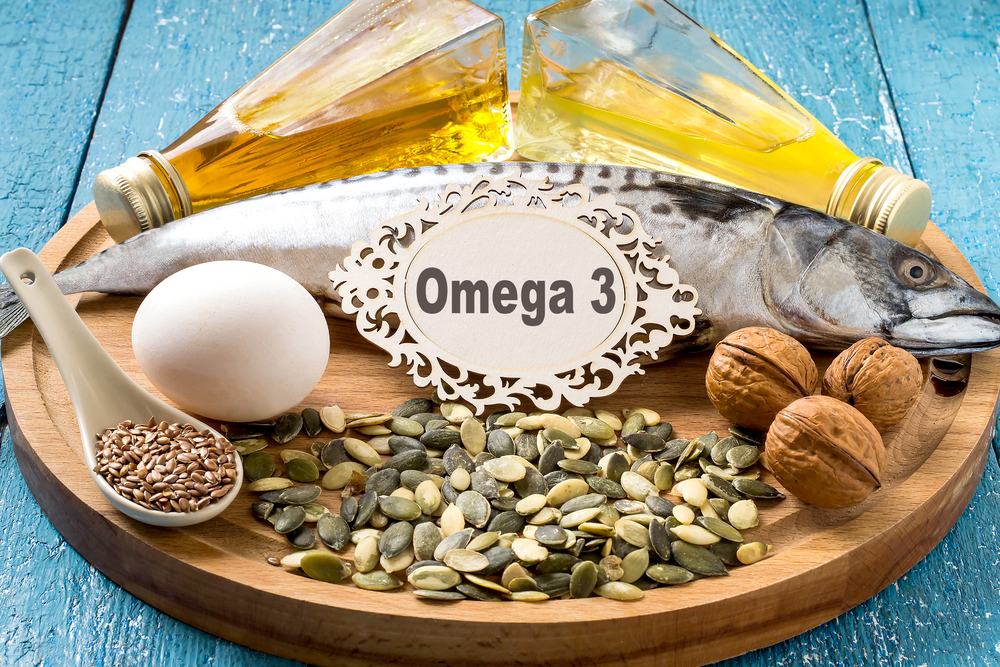
One of the biggest reasons health experts recommend fatty fish is its omega-3 content—especially EPA and DHA, the forms most directly linked to cardiovascular benefits.
Omega-3s are associated with:
Supporting healthy triglyceride levels
Promoting healthy blood vessel function
Helping regulate inflammation
Supporting heart rhythm stability in some contexts
Sardines are one of the most accessible ways to get EPA and DHA consistently, especially if you don’t eat fresh fish often.
Nutrition tip: For heart benefits, consistency matters more than perfection. Adding sardines 1–2 times per week can be a realistic, sustainable step.
2) Sardines Are Excellent for Brain Health and Mood Support
Your brain is rich in fat, and DHA is a major structural component of brain tissue. Diets that include omega-3-rich seafood are often linked with better cognitive aging outcomes, and omega-3s are also studied for their relationship to mood and mental well-being.
While sardines aren’t a treatment for depression or anxiety, they can support overall brain health as part of a nutrient-dense diet that includes:
Omega-3 sources (sardines, salmon)
B vitamins (including B12)
Minerals (like iodine and selenium)
Adequate protein and fiber
Food-first takeaway: Sardines are a strong “brain-supportive” protein choice for people who want nutrition that helps now and later.
3) Sardines Strengthen Bones (Calcium + Vitamin D + Protein)
Bone health is about more than calcium. It also depends on vitamin D, protein, magnesium, vitamin K, and overall strength training. Sardines help significantly because they can provide:
Calcium (especially when you eat the soft edible bones in canned sardines)
Vitamin D (important for calcium absorption and bone metabolism)
Protein (critical for maintaining bone matrix and muscle that protects joints)
For people who don’t consume much dairy or who want more whole-food calcium sources, sardines can be a game-changer.
Practical note: If the bones sound intimidating, canned sardine bones are very soft—most people don’t notice them once mixed into a meal.
4) High-Quality Protein for Muscle, Metabolism, and Satiety
If you’re trying to improve your health through food, protein quality and consistency matter. Sardines provide complete protein (all essential amino acids), which supports:
Muscle maintenance and strength (especially important as you age)
Metabolic health and insulin sensitivity
Satiety (feeling full and satisfied)
Recovery from exercise
Compared with many ultra-processed “protein” foods, sardines deliver protein alongside nutrients your body actually needs.
Nutrition habit: Build a meal around sardines and fiber (vegetables, beans, whole grains). This combination is especially helpful for appetite control and steady energy.
5) Sardines Are Rich in Vitamin B12 (Energy and Nervous System Support)
Vitamin B12 is essential for:
Red blood cell formation
Nervous system function
DNA synthesis
Low B12 can cause fatigue, weakness, numbness/tingling, and cognitive changes. B12 deficiency risk increases with age and with certain medications (like metformin or acid reducers), and it’s also more common in people who eat little animal food.
Sardines are one of the most B12-dense options available.
Takeaway: If you’re trying to support energy and neurological health through diet, sardines are a smart addition.
6) Key Minerals: Selenium, Iodine, and More
Sardines also provide minerals that support essential body systems:
Selenium: supports antioxidant defenses and thyroid function
Iodine: supports thyroid hormones (important for metabolism)
Phosphorus: important for bones and cellular energy
Iron (some): supports oxygen transport
Many modern diets are heavy on calories but light on minerals. Sardines help close that gap with a small serving.
7) Sardines Are a “Lower-Contaminant” Fish Choice
A common concern about seafood is mercury. Mercury tends to build up more in larger, long-lived predatory fish (like shark, swordfish, king mackerel). Sardines are small and lower on the food chain, so they generally accumulate less mercury than big fish.
Bottom line: If you want the benefits of oily fish but prefer a lower-contaminant option, sardines are a strong choice.
How to Choose the Healthiest Sardines (Buying Guide)
Not all canned sardines are the same. Here’s what to look for:
1) Packed in Water or Olive Oil
Water: lower calories, lighter taste
Olive oil: richer flavor, satisfying, pairs well with salads and bowls
Either can be healthy. If you’re watching sodium, the packing liquid matters less than the label.
2) Watch Sodium (If You Need To)
Canned fish can be salty. If you’re managing blood pressure or salt sensitivity, look for low-sodium options or rinse briefly (note: rinsing reduces sodium but can reduce some flavor).
3) “Skinless and Boneless” vs. Whole
Whole sardines (with bones/skin) are typically more nutrient-dense
Skinless/boneless can be easier for beginners
If you’re new to sardines, start where you feel comfortable—consistency beats perfection.
Easy Ways to Eat Sardines (Even If You’re Skeptical)
If you grew up thinking sardines are “too fishy,” try these beginner-friendly approaches:
1) Sardine Avocado Toast
Mash avocado with lemon and pepper. Add sardines, then top with sliced tomato or arugula.
2) Mix into a Salad
Toss sardines into a big salad with olive oil, vinegar, mustard, and herbs. The acidity helps mellow the flavor.
3) Sardine “Tuna” Salad
Mash sardines with Greek yogurt (or mayo), mustard, celery, dill, and lemon. Eat in a wrap or with crackers.
4) Pasta Bowl (Mediterranean Style)
Warm sardines with garlic, olive oil, chili flakes, capers, and lemon. Toss with whole-grain pasta and spinach.
5) Rice or Grain Bowl
Add sardines to brown rice or quinoa with cucumbers, roasted vegetables, and a tahini or yogurt sauce.
Flavor trick: Lemon juice, vinegar, mustard, herbs, and chili flakes pair extremely well with sardines and reduce “fishiness.”
How Often Should You Eat Sardines?
A realistic goal for health benefits is 1–2 servings per week of fatty fish, which can include sardines. More can be fine for many people, but balance matters—rotate proteins and include a variety of seafood and plant foods.
If you’re pregnant, nursing, or have specific medical conditions, follow seafood guidance from your clinician or reputable health authorities.
The Bottom Line
Sardines are one of the most efficient health foods you can add to your diet. They support heart health with omega-3s, protect brain function with DHA, strengthen bones with calcium and vitamin D, and provide high-quality protein plus key nutrients like B12, iodine, and selenium. They’re affordable, convenient, and easy to build into real-life meals.
If you want to improve your health through nutrition, sardines are a small change that can deliver big returns—especially when paired with fiber-rich foods like vegetables, beans, and whole grains.
Sardines might be small, but they pack a serious nutritional punch. These tiny fish are one of nature’s most nutrient-dense foods, offering benefits for your heart, brain, bones, and overall health. Here’s why you should consider adding sardines to your regular diet.
What Makes Sardines a Nutritional Powerhouse?
A single 3.5-ounce serving of canned sardines provides:
25 grams of complete protein — all essential amino acids for muscle repair
1.5 grams of omega-3 fatty acids — EPA and DHA for heart and brain health
382 mg of calcium — about 30% of your daily needs (because you eat the bones)
193 IU of vitamin D — crucial for calcium absorption
8.9 mcg of vitamin B12 — over 300% of your daily requirement
52.7 mcg of selenium — a powerful antioxidant
Heart Health Benefits
A Harvard study found that consuming just one to two servings of sardines weekly can reduce your risk of heart disease by more than one-third. The omega-3 fatty acids in sardines:
Lower triglyceride levels
Improve blood vessel elasticity
Help stabilize heart rhythm
Reduce inflammation throughout your body
The potassium, magnesium, and zinc in sardines also help lower blood pressure and improve overall blood lipid profiles.
Brain and Cognitive Function
The EPA and DHA in sardines don’t just benefit your heart — they’re essential for brain health. Research shows that omega-3-rich foods can:
Help increase gray matter in the brain
Improve memory and cognitive function
Support neurotransmitter activity, particularly serotonin and dopamine
Potentially reduce the risk of neurodegenerative diseases like Alzheimer’s
Bone-Building Benefits
Because canned sardines are eaten with their soft, edible bones, they’re an excellent non-dairy source of calcium. Combined with their high vitamin D content (which helps your body absorb calcium) and phosphorus (which neutralizes bone-damaging acids), sardines are a triple threat for bone health.
A 2023 study found that fatty acid intake from fish like sardines benefits adult bone mineral density, helping prevent osteoporosis.
Low Mercury, High Safety
Unlike larger fish like tuna and swordfish, sardines sit low on the food chain. This means they contain minimal mercury and other environmental toxins. The U.S. FDA lists sardines as a “Best Choice” seafood safe for all age groups, including pregnant women.
The selenium content in sardines also helps counteract any potential mercury exposure by preserving antioxidant enzyme function.
Sustainable and Affordable
Sardines reproduce quickly and are abundant in the ocean, making them one of the most environmentally sustainable seafood choices. They’re also budget-friendly — delivering premium nutrition at a fraction of the cost of salmon or other fatty fish.
How to Enjoy Sardines
If you’re new to sardines, here are some easy ways to incorporate them:
On toast: Top with avocado, lemon juice, and black pepper
In salads: Toss with leafy greens, cherry tomatoes, and vinaigrette
With pasta: Mix with garlic, olive oil, and chili flakes
Straight from the can: A squeeze of lemon makes a quick, protein-rich snack
Who Should Be Cautious?
While sardines are healthy for most people, some should moderate their intake:
People with high blood pressure: Canned sardines can be high in sodium — choose low-sodium varieties
People with gout or kidney disease: Sardines are high in purines, which can worsen these conditions
Those with seafood allergies: Monitor for allergic reactions
The Bottom Line
Sardines are one of the healthiest, most affordable, and most sustainable protein sources available. Eating them two to three times per week can deliver significant benefits for your heart, brain, bones, and overall health. If you haven’t tried them yet, pick up a can and experiment — your body will thank you.
This website uses cookies to improve your experience. We'll assume you're ok with this, but you can opt-out if you wish.AcceptRejectRead More
Privacy & Cookies Policy
Privacy Overview
This website uses cookies to improve your experience while you navigate through the website. Out of these cookies, the cookies that are categorized as necessary are stored on your browser as they are essential for the working of basic functionalities of the website. We also use third-party cookies that help us analyze and understand how you use this website. These cookies will be stored in your browser only with your consent. You also have the option to opt-out of these cookies. But opting out of some of these cookies may have an effect on your browsing experience.