HealthSurgeon - Healthy Living and Fitness - Purium Coupon
Primary Navigation Menu
Benefits and Side Effects of Omega 3 Fatty Acids
Understanding Omega-3 Fatty Acids: Essential Nutrients for Optimal Health
Omega-3 fatty acids are essential polyunsaturated fats that your body needs but cannot produce on its own. These vital nutrients play crucial roles in brain function, heart health, and inflammation control. The three main types—ALA (alpha-linolenic acid), EPA (eicosapentaenoic acid), and DHA (docosahexaenoic acid)—each serve distinct functions in maintaining overall wellness.
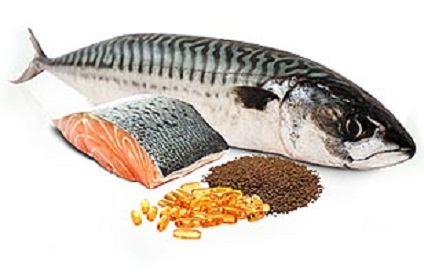
ALA is primarily found in plant sources like flaxseeds, chia seeds, and walnuts, while EPA and DHA come mainly from fatty fish such as salmon, mackerel, sardines, and anchovies. Your body can convert small amounts of ALA into EPA and DHA, but this process is inefficient, making direct dietary sources particularly important.
Proven Health Benefits of Omega-3s
Cardiovascular Protection
Research consistently demonstrates omega-3s’ powerful effects on heart health and diabetes prevention. These fatty acids help reduce triglyceride levels, lower blood pressure slightly, decrease blood clotting risk, and reduce irregular heartbeats. Studies show that people who regularly consume omega-3-rich fish have significantly lower rates of heart disease.
Brain and Mental Health
DHA is a major structural component of brain tissue, comprising about 40% of polyunsaturated fatty acids in the brain. Adequate omega-3 intake supports cognitive function, may reduce depression symptoms, and plays a vital role in infant brain development during pregnancy and breastfeeding.
Anti-Inflammatory Effects
Chronic inflammation underlies many modern diseases. Omega-3s produce compounds called resolvins and protectins that help resolve inflammatory processes. This can benefit conditions ranging from arthritis to autoimmune disorders. When combined with cholesterol-lowering foods and blood pressure management strategies, omega-3s form part of a comprehensive approach to reducing cardiovascular risk.
How Much Do You Need?
Health organizations recommend 250-500mg of combined EPA and DHA daily for general health maintenance. Pregnant women need at least 300mg of DHA daily. People with heart disease or high triglycerides may benefit from higher doses under medical supervision—typically 1-4 grams daily.
For context, a 3.5-ounce serving of cooked salmon provides approximately 2,200mg of omega-3s. Those who don’t regularly eat fatty fish, especially while managing sugar intake and working toward maintaining a healthy BMI, should consider supplementation.
Potential Side Effects and Considerations
At recommended doses, omega-3s are generally safe. However, high doses (more than 3 grams daily) may cause:
Fishy aftertaste or breath
Digestive discomfort, nausea, or diarrhea
Increased bleeding risk, particularly when combined with blood-thinning medications
Potential immune system suppression at very high doses
People taking blood thinners, those scheduled for surgery, or those with fish allergies should consult their healthcare provider before supplementing. Choose high-quality supplements tested for mercury and other contaminants.
Food First, Supplement Second
Whole food sources of omega-3s provide additional nutrients like protein, vitamin D, and selenium. Aim for at least two servings of fatty fish weekly. Plant sources like ground flaxseed, chia seeds, and walnuts contribute ALA, which offers its own benefits even though conversion to EPA/DHA is limited.
If you choose supplements, look for products with third-party testing certifications, adequate EPA and DHA content (not just total omega-3s), and freshness indicators. When combined with calorie tracking and balanced nutrition, omega-3-rich foods support comprehensive wellness goals.
This website uses cookies to improve your experience. We'll assume you're ok with this, but you can opt-out if you wish.AcceptRejectRead More
Privacy & Cookies Policy
Privacy Overview
This website uses cookies to improve your experience while you navigate through the website. Out of these cookies, the cookies that are categorized as necessary are stored on your browser as they are essential for the working of basic functionalities of the website. We also use third-party cookies that help us analyze and understand how you use this website. These cookies will be stored in your browser only with your consent. You also have the option to opt-out of these cookies. But opting out of some of these cookies may have an effect on your browsing experience.