HealthSurgeon - Healthy Living and Fitness - Purium Coupon
Primary Navigation Menu
Office Workers Too Sedentary – Standing Up Saves Life
If you spend most of your workday sitting at a desk, your chair might be silently stealing years from your life. Research increasingly shows that prolonged sitting—even among people who exercise regularly—dramatically increases the risk of heart disease, type 2 diabetes, certain cancers, and premature death. The phenomenon has earned a stark nickname: “sitting disease.”
The Hidden Dangers of Prolonged Sitting
According to the Mayo Clinic, sitting for extended periods slows your metabolism, affecting your body’s ability to regulate blood sugar, blood pressure, and break down body fat. When you sit, electrical activity in your leg muscles shuts off, calorie burning drops to one per minute, and enzymes that help break down fat decrease by 90%.
The statistics are sobering. Studies show that adults who sit more than eight hours per day with no physical activity have a risk of dying similar to that posed by obesity and smoking. Even more concerning: regular exercise does not fully offset the damage caused by prolonged sitting throughout the day. A dedicated morning workout cannot undo eight hours of uninterrupted desk time.
The CDC emphasizes that movement throughout the day is essential—not just concentrated exercise sessions. Your body needs frequent movement to maintain proper metabolic function, circulation, and cellular health.
Practical Solutions: Moving More at Work
The good news? Small, consistent changes can dramatically reduce your risk. You don’t need to abandon your desk job—you just need to introduce regular movement into your workday.
The 20-8-2 Rule
Ergonomics experts recommend the 20-8-2 pattern: for every 30 minutes, spend 20 minutes sitting, 8 minutes standing, and 2 minutes moving. This rhythm keeps your metabolism active and prevents the physiological shutdown that occurs with prolonged sitting.
Standing Desks and Desk Converters
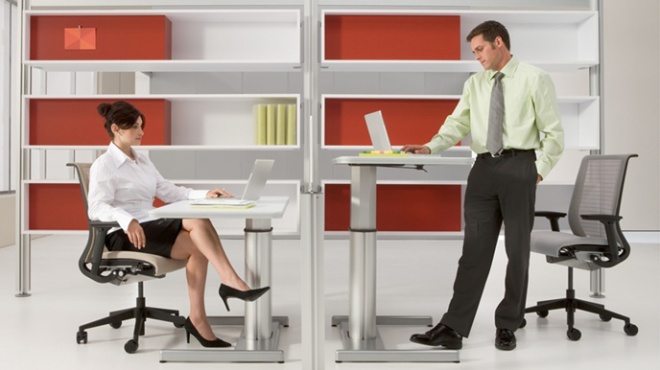
Standing desks or adjustable converters allow you to alternate between sitting and standing throughout the day. While standing burns only slightly more calories than sitting, the metabolic benefits are significant. Standing engages postural muscles, improves circulation, and keeps enzymatic processes active.
Micro-Breaks Every 30 Minutes
Set a timer to stand and move at least once every 30 minutes. Walk to the water cooler, do a lap around your floor, or simply stand and stretch. These micro-breaks are among the easy ways to burn extra calories without disrupting your workflow.
Walking Meetings
Transform one-on-one meetings or phone calls into walking sessions. Hitting your daily step goal becomes easier when you build movement into scheduled work time. Bonus: walking meetings often spark more creative thinking than conference room sessions.
The Broader Health Benefits of Movement
Beyond cardiovascular health, regular movement throughout your workday improves focus, productivity, and mood. Standing and moving periodically reduces the strain on your spine, decreases lower back pain, and helps prevent managing type 2 diabetes holistically risk factors.
Movement also supports better sleep quality. Research shows that people who incorporate more daily movement experience quality rest that extends your lifespan, creating a positive feedback loop for overall health.
To support your body during this transition to more movement, consider incorporating comprehensive nutrition like
to fuel sustained energy and reduce inflammation that can accompany sedentary work.
Employer Initiatives for Active Workplaces
Forward-thinking employers recognize that employee health directly impacts productivity, healthcare costs, and workplace culture. Companies can promote active workplaces through:
Providing standing desks or adjustable workstations
Creating walking paths and dedicated movement spaces
Encouraging walking meetings as the default for small groups
Installing activity trackers or wellness challenges
Designing office layouts that require more movement between spaces
The Bottom Line
Your daily movement patterns matter more than you might think. While exercise remains important, breaking up prolonged sitting is essential for long-term health. By implementing stress-busting strategies for longevity alongside regular movement breaks, you create a comprehensive approach to workplace wellness.
Stand up. Walk around. Your life may literally depend on it.
This website uses cookies to improve your experience. We'll assume you're ok with this, but you can opt-out if you wish.AcceptRejectRead More
Privacy & Cookies Policy
Privacy Overview
This website uses cookies to improve your experience while you navigate through the website. Out of these cookies, the cookies that are categorized as necessary are stored on your browser as they are essential for the working of basic functionalities of the website. We also use third-party cookies that help us analyze and understand how you use this website. These cookies will be stored in your browser only with your consent. You also have the option to opt-out of these cookies. But opting out of some of these cookies may have an effect on your browsing experience.