HealthSurgeon - Healthy Living and Fitness - Purium Coupon
Primary Navigation Menu
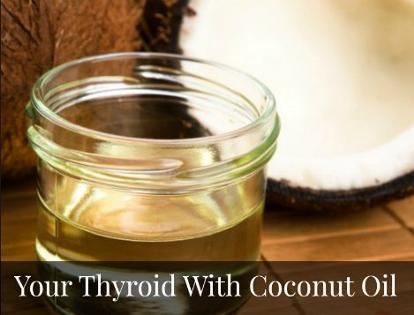
How to Treat Your Thyroid with Coconut Oil
Coconut Oil and Thyroid Health: Separating Fact from Fiction
There’s a common misconception that coconut oil can cure hypothyroidism. Let’s be clear: it cannot. According to the Mayo Clinic, hypothyroidism requires medical treatment with levothyroxine (synthetic thyroid hormone). Coconut oil has no proven ability to replace thyroid medication or cure thyroid disease.
That said, coconut oil can play a supportive role in a thyroid-friendly lifestyle when used properly. Here’s what the science actually says.
What Coconut Oil Can (and Can’t) Do for Your Thyroid
Coconut oil contains medium-chain triglycerides (MCTs), which are quickly absorbed and converted into energy. For people with hypothyroidism who often experience fatigue and sluggish metabolism, MCTs can provide a quick energy boost without taxing the digestive system.
Lauric acid, the primary fatty acid in coconut oil, has mild anti-inflammatory properties. Since chronic inflammation can worsen thyroid function, incorporating anti-inflammatory foods—including coconut oil, turmeric, and omega-3-rich foods—may support overall thyroid health.
[aad_coconut_oil]
Understanding Hypothyroidism
Hypothyroidism occurs when your thyroid gland doesn’t produce enough thyroid hormone, slowing metabolism and causing symptoms like:
Goitrogenic foods—including raw cruciferous vegetables (broccoli, kale, cauliflower), soy products, and millet—can interfere with thyroid function when consumed in large amounts. Cooking these foods significantly reduces their goitrogenic effect, so you don’t need to eliminate them entirely.
The Bottom Line
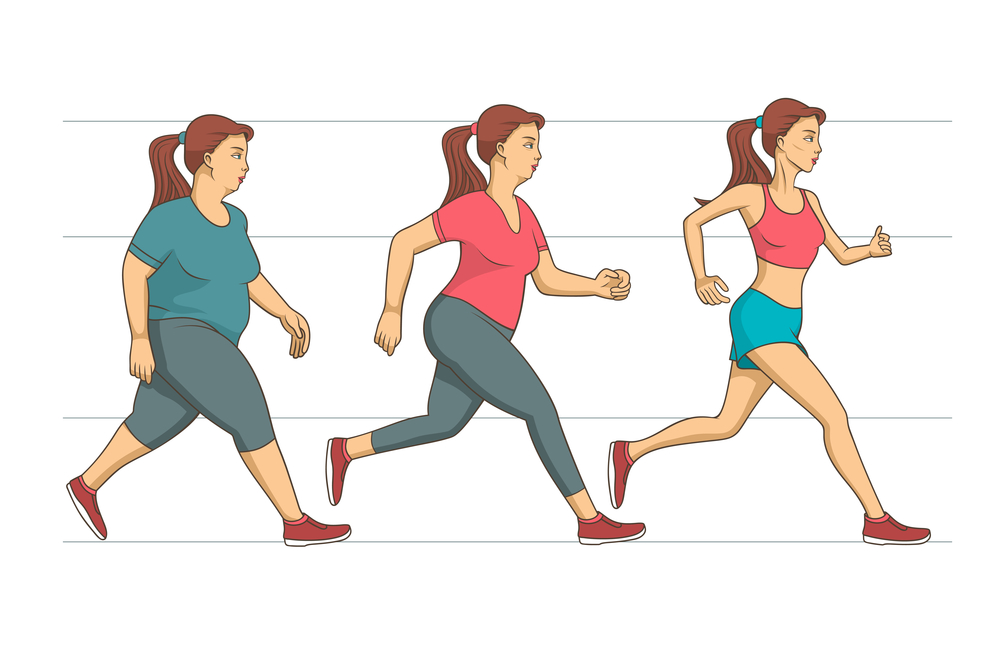
Coconut oil is not a cure for hypothyroidism, but it can be part of a healthy, anti-inflammatory diet that supports thyroid function. If you’re struggling with unexplained weight gain despite diet and exercise, fatigue, or other thyroid symptoms, see your doctor for testing. Proper medical treatment with levothyroxine, combined with a nutrient-dense diet and lifestyle changes, is the evidence-based approach to managing thyroid disease.
This website uses cookies to improve your experience. We'll assume you're ok with this, but you can opt-out if you wish.AcceptRejectRead More
Privacy & Cookies Policy
Privacy Overview
This website uses cookies to improve your experience while you navigate through the website. Out of these cookies, the cookies that are categorized as necessary are stored on your browser as they are essential for the working of basic functionalities of the website. We also use third-party cookies that help us analyze and understand how you use this website. These cookies will be stored in your browser only with your consent. You also have the option to opt-out of these cookies. But opting out of some of these cookies may have an effect on your browsing experience.