HealthSurgeon - Healthy Living and Fitness - Purium Coupon
Primary Navigation Menu
Weight Loss: Do Not Make Food A Reward
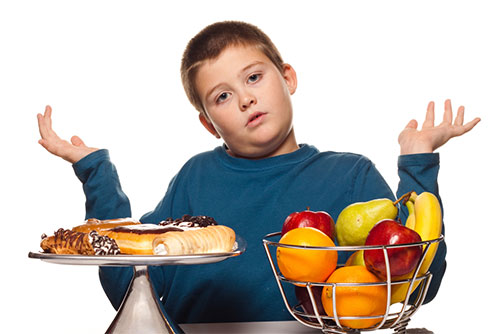
Living within your ideal weight range can help you stay healthy and well. Managing your weight over your lifetime can be difficult with hormonal changes happening, physical activity level changes, and the great taste of convenience foods. Be aware that you could be setting yourself up for failure if you are in the habit of using food to reward yourself.
This bad habit of rewarding accomplishments, fixing sad feelings or rewarding good behavior with food will mess with your weight and mess with your head.
When we reward ourselves with food or desserts we may be helping ourselves along the road to obesity.
Do not start this practice with your children and if you are in the habit of doing this for yourself STOP. This can set you up for and unhealthy relationship with food. Which in turn can play havoc with your weight.
According to the Yale Medical Group using food as a reward or as a punishment can undermine healthy eating habits.
Alternate reward options for adults:
Book a massage.
Learn a new skill: Take golf, dancing or piano lessons.
Treat yourself to a manicure or pedicure.
Treat yourself to a night out: a movie, play or concert.
Sleep in.
Pay someone else to do a chore for you: mow the lawn or clean the house.
Upgrade your phone plan.
Purchase improved craft or sport equipment.
Purchase a desired piece of clothing. Silk pajamas?
Food should be chosen and eaten to fuel our bodies and help them work optimally. Good nutrition and a healthy view of food can help you maintain a healthy body weight for a lifetime.
Purium‘s CONTROL Pre-Meal CapsulesTM are specifically designed to help you eat less and reduce the impact of simple carbohydrates and sugars, lessening the possibility that your body will convert them into fat.
Do Not use food as a reward! Learn some alternative rewards that will keep your relationship with food in check. #HealthSurgeon
You finish a tough week. You ace a meeting. You hit the gym three days in a row. And your brain does what it’s always done: it offers up a reward. Ice cream. A whole pizza. A dessert you didn’t even want before the moment.
It feels like a natural deal. But here’s the problem: when you pair food with achievement, you’re not actually rewarding yourself. You’re training your brain to treat eating as the finish line.
Over time, that pairing quietly erodes two things you actually need for lasting weight loss. First, it blunts your normal hunger signals. You stop eating because you’re hungry, and start eating because you “earned” it. Second, it ties your self-worth to food. You start believing the good parts of your life deserve to be sealed with something sweet.
And when the day is bad instead of good? The same wiring flips. Comfort eating becomes the coping mechanism, and you end up eating for feelings rather than fuel. It’s the loop most people break, and it’s why [understanding your metabolism](https://healthsurgeon.com/weightloss/metabolism-and-weight/) matters more than any food rule you’ve ever memorized.
The Psychology Behind the “Treat”
Food is the most accessible reward we own. It’s cheap, immediate, and legal, which is exactly why it’s so tempting to hand it out for wins and misfortunes alike. Psychologists call this emotional eating, and it’s far more common than people admit.
The Mayo Clinic’s guidance on sustainable weight loss leans heavily on habits rather than willpower. Habits are formed by association. Every time you pair a win with a donut, you’re filing that donut under “things that make life good.” Eventually, life feels incomplete without it.
This also interferes with intuitive hunger. Your body sends signals. Fullness, emptiness, the gentle nudge that says you’ve had enough. But when food is a reward, those signals get drowned out by the louder voice that says you deserve this. You eat past the point of comfort because the point isn’t comfort. It’s celebration.
And that’s a hard conversation to have with yourself. Nobody likes to admit that a treat is doing something other than what they told themselves it was.
Rewards That Don’t Involve a Fork
Here’s the good news: you can absolutely reward yourself. You just don’t need food to do it.
Non-food rewards work because they build a different association. A movie night. A long bath. A trip to a bookstore. An evening where you don’t have to clean the kitchen. The reward is the experience, not the calories.
Behavioral rewards work because they reinforce the action itself. Finished the week? Take Friday afternoon off. Hit your goal? Treat yourself to the thing you actually wanted but kept postponing. These rewards tie the feeling of success to the behavior, not to what follows it.
When you do reward yourself this way, you’re teaching your brain something more useful. You’re teaching it that you can enjoy a win without an ingredient list.
And if the stress is what’s driving the eating in the first place, that’s worth naming too. [Reducing the stress that drives emotional eating](https://healthsurgeon.com/mega/10-science-backed-natural-stress-relief-techniques/) is usually the real project, not the plate.
Practical Ways to Break the Cycle
You don’t need to go cold turkey. You need to interrupt the pattern enough times that a new one takes hold.
Notice the pairing. The first step is just seeing it. When you reach for a treat after a win, pause and ask: am I hungry, or am I celebrating? Both are valid. They just lead to different choices.
Plan the reward in advance. Decide what you’ll do for the win before the week starts. A planned reward is easier to keep than an impulse one. If the plan is a massage, your brain gets the signal that the celebration is already handled.
Replace, don’t eliminate. If you’ve always eaten after work, swap the plate for a walk, a podcast, or ten minutes of stretching. You’re giving your brain the ritual it’s looking for, just without the food.
Be gentle with the misses. Some days you’ll eat the dessert anyway. That’s not a failure. That’s data. What triggered it, and what would you try next time?
Small shifts compound. Give it a month and notice how much less automatic the pairing feels.
Food Belongs in a Balanced Life, Not a Trophy Case
None of this is about food being bad. It isn’t. [Starting your day with balanced nutrition](https://healthsurgeon.com/nutrition/21-clean-and-healthy-eating-breakfast-ideas/) and enjoying [satisfying cravings with smart choices](https://healthsurgeon.com/nutrition/dark-chocolate-health-benefits/) are both good things to do.
The point is placement. Food works best as part of a life that’s already full, not as the thing that makes the day full. When it’s the reward, it carries a weight it was never meant to hold. When it’s the accompaniment, it’s just delicious.
The Mayo Clinic diet approach builds lasting habits around your whole day, not by policing one decision. That includes the way you think about what you earn. A life where the reward is the win itself is a life where a fork doesn’t have to do the emotional heavy lifting.
You’ve already done the hard part. The celebration can just be a moment.
If you’re building habits around what you eat, [understanding how hydration plays a role in weight management](https://healthsurgeon.com/weightloss/h20-water-diet-lose-10kg-in-2-months-without-exercise/) is a good place to add one more layer. And if you want to keep the flavor without the guilt, [healthy fats for satiety](https://healthsurgeon.com/nutrition/coconut-oil-health-benefits/) can be part of a meal plan that doesn’t depend on a treat to make it worth remembering.
This website uses cookies to improve your experience. We'll assume you're ok with this, but you can opt-out if you wish.AcceptRejectRead More
Privacy & Cookies Policy
Privacy Overview
This website uses cookies to improve your experience while you navigate through the website. Out of these cookies, the cookies that are categorized as necessary are stored on your browser as they are essential for the working of basic functionalities of the website. We also use third-party cookies that help us analyze and understand how you use this website. These cookies will be stored in your browser only with your consent. You also have the option to opt-out of these cookies. But opting out of some of these cookies may have an effect on your browsing experience.