HealthSurgeon - Healthy Living and Fitness - Purium Coupon
Primary Navigation Menu
Understanding Peptides and Their Role in Health
Peptides are rapidly gaining attention in the health and wellness industry for their potential to improve various aspects of human health. These naturally occurring molecules play a critical role in many biological processes, making them a topic of interest for researchers, healthcare professionals, and individuals seeking innovative treatments for chronic conditions, aging, and overall well-being. In this article, we’ll explore what peptides are, their functions in the body, and how they can contribute to improved health.
What Are Peptides?
Peptides are short chains of amino acids, which are the building blocks of proteins. While proteins can consist of hundreds or even thousands of amino acids, peptides typically contain between 2 and 50. Their smaller size allows them to interact more easily with cells and tissues in the body, influencing a variety of biological processes.
Peptides occur naturally in the body, but they can also be synthesized in laboratories for medical and therapeutic purposes. Depending on their composition and function, peptides are classified into several categories, such as signaling peptides, antimicrobial peptides, and therapeutic peptides.
Functions of Peptides in the Body
Peptides play a vital role in regulating and facilitating numerous physiological processes. Some of their key functions include:
Cell Communication
Peptides act as signaling molecules, enabling cells to communicate effectively. This communication is essential for processes such as immune responses, tissue repair, and hormonal regulation.
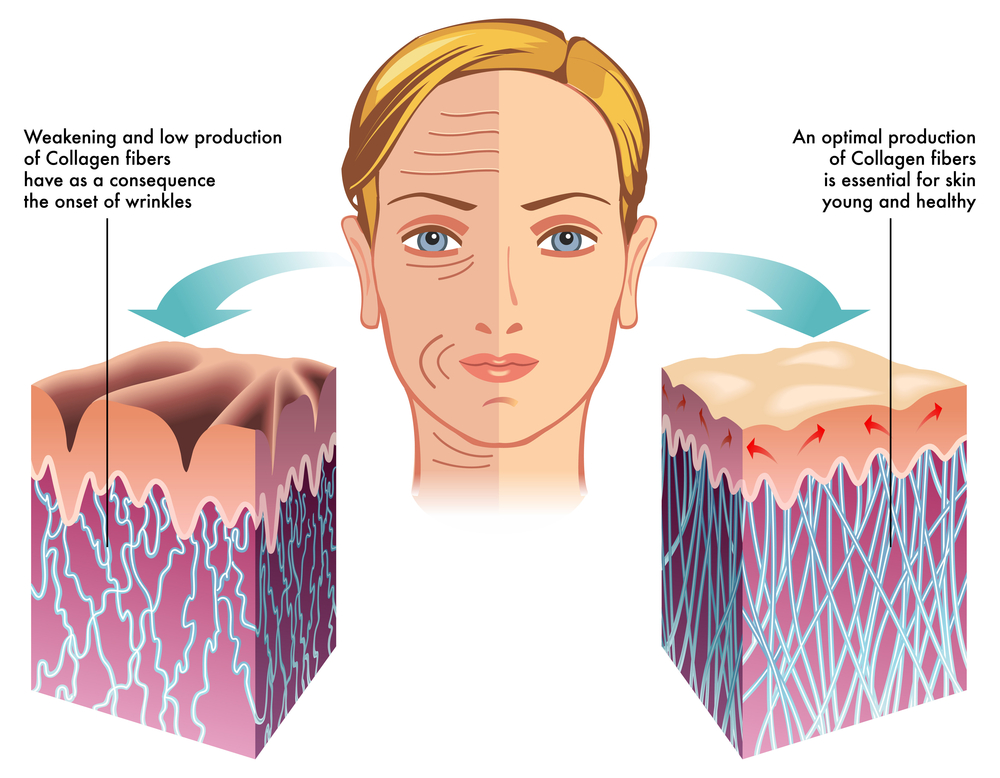
Certain peptides stimulate the production of collagen and other structural proteins, promoting tissue repair, wound healing, and skin rejuvenation.
Immune Function
Peptides enhance the immune system by acting as antimicrobial agents or modulating immune responses to infections and diseases.
Neurotransmission
Peptides such as endorphins play a role in the transmission of signals in the nervous system, influencing pain perception, mood, and cognitive functions.
Health Benefits of Peptides
The diverse functions of peptides translate into numerous health benefits, making them valuable for therapeutic and wellness purposes. Here are some of the most notable benefits:
Anti-Aging Properties
Certain peptides, such as collagen peptides, are known for their ability to reduce signs of aging. They support skin elasticity, hydration, and firmness, helping to minimize wrinkles and fine lines.
Enhanced Muscle Growth and Recovery
Peptides like growth hormone-releasing peptides (GHRPs) stimulate the production of human growth hormone (HGH), which aids in muscle growth, fat loss, and quicker recovery from injuries or workouts.
Improved Skin Health
Peptides used in skincare products help promote collagen production and repair damaged skin, improving texture and reducing hyperpigmentation.
Weight Management
Some peptides regulate appetite and metabolism, making them useful for weight loss and management. For example, certain peptides influence the release of hormones that suppress hunger.
Better Immune Function
Therapeutic peptides can enhance the immune system, offering protection against infections, autoimmune diseases, and chronic inflammatory conditions.
Support for Chronic Conditions
Peptides have shown promise in treating conditions like diabetes, cardiovascular diseases, and neurodegenerative disorders by targeting specific molecular pathways involved in these illnesses.
Derived from collagen, these peptides are widely used for improving skin health, joint health, and overall vitality.
Growth Hormone-Releasing Peptides (GHRPs)
These peptides stimulate the release of growth hormone, promoting muscle development, fat metabolism, and cellular repair.
Antimicrobial Peptides
These peptides fight bacterial, viral, and fungal infections, offering an alternative to traditional antibiotics.
Peptide Hormones
Examples include insulin (for blood sugar regulation) and glucagon-like peptide-1 (GLP-1), which aids in weight loss and diabetes management.
Bioactive Peptides
These peptides are derived from food proteins and exhibit various health benefits, such as antioxidant, anti-inflammatory, and blood pressure-lowering effects.
How to Incorporate Peptides into Your Health Routine
Peptides can be incorporated into your health and wellness routine through various methods:
Dietary Sources
Many peptides are naturally present in protein-rich foods like eggs, fish, dairy, and soy. Consuming these foods supports the body’s production of peptides.
Supplements
Collagen peptides and other peptide supplements are available in powders, capsules, and drinks. These are often used for skin, joint, and muscle health.
Skincare Products
Peptides are a common ingredient in anti-aging creams and serums, promoting collagen production and skin repair.
Medical Treatments
Peptides for specific health conditions, such as GHRPs, are typically administered through injections under medical supervision. Always consult a healthcare professional before starting peptide therapy.
Are Peptides Safe?
While peptides are generally considered safe, it’s essential to use them appropriately. Overuse or improper application can lead to side effects, such as skin irritation, digestive issues, or hormonal imbalances. Always consult a healthcare provider before incorporating peptide supplements or treatments into your routine.
Conclusion
Peptides are small but powerful molecules that play an essential role in maintaining and improving health. From supporting muscle growth and skin health to boosting immunity and managing chronic conditions, the potential applications of peptides are vast and varied. By understanding their functions and benefits, you can make informed choices about how to incorporate peptides into your lifestyle for optimal well-being.
This website uses cookies to improve your experience. We'll assume you're ok with this, but you can opt-out if you wish.AcceptRejectRead More
Privacy & Cookies Policy
Privacy Overview
This website uses cookies to improve your experience while you navigate through the website. Out of these cookies, the cookies that are categorized as necessary are stored on your browser as they are essential for the working of basic functionalities of the website. We also use third-party cookies that help us analyze and understand how you use this website. These cookies will be stored in your browser only with your consent. You also have the option to opt-out of these cookies. But opting out of some of these cookies may have an effect on your browsing experience.