HealthSurgeon - Healthy Living and Fitness - Purium Coupon
Primary Navigation Menu
Tips For Toddler Congestion
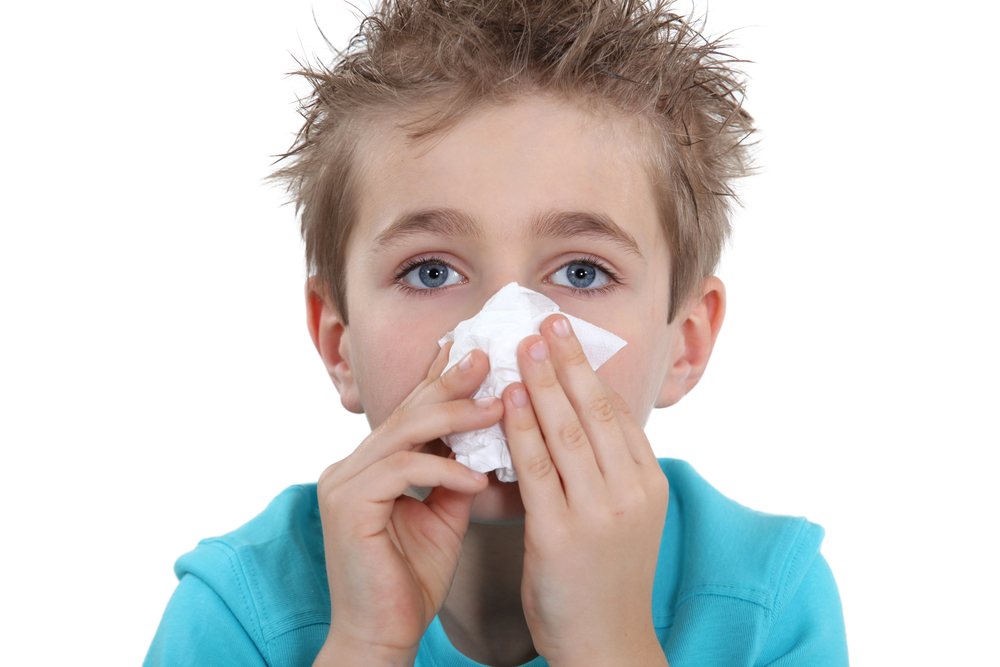
Sometimes it feels like toddlers are constantly sick. Runny noses can occur in children for a number of things. It can feel like you are forever wiping your child’s nose. It is normal for a child to have between six and eight colds per year. That is a substantial amount of time to have a runny nose. Most of the time runny noses are caused by the common cold, or upper respiratory infections. They can also be caused by dry air or pollutants like allergens, strong smells, or smoke. Other causes of runny noses in children are the flu, RSV, pneumonia, cystic fibrosis, deviated septum, and nasal polyps.
Nasal congestion can worry parents. Usually because it appears to be affecting how your child can breathe. Especially in children who haven’t learned how to blow their own noses yet. There seems to be no way in helping your child alleviate their congestion. Since you shouldn’t use over the counter products for your child until they are over the age of four. Even then that should only be done when asking a doctor the correct dosage for your child.
Nasal congestion is usually nothing to worry about on its own. Yes it can be miserable, yes it can leave your child feeling lousy, but usually it isn’t life threatening. Your doctor won’t necessarily have any way to help treat your child’s congestion faster than letting it run its course, especially if it is just caused by a common cold. There are some things to watch out for that would require you to seek medical attention. If your child has persistent symptoms that are not improving this is a sign to see a doctor. Your child’s cold may have turned into something more serious like an ear infection, or pneumonia. Persistent cough, pulling at ears, and signs of dehydration are also causes for medical intervention. Other reasons to seek medical attention are high fever, severe pain, difficulty breathing or wheezing, or unusual or blood nasal discharge.
There are ways to help ease your child’s nasal congestion at home. One way is to use steamy air. This can be done by a humidifier, vaporizer, or a steamy bathroom. Running a shower and shutting the door of your bathroom can make an in-home steam room. Allowing your child to sit in that steam can help loosen mucus and clear nasal passages. If you don’t want to just run the shower, you can always fill up a warm bath for your child. This will give them a distraction allowing them to breathe in the warm air from the bath. Some sick kids really love to just sit in a warm bath. Humidifiers are great to use especially while your child is sleeping. They help maintain optimal moisture levels, which is especially important in the cooler months when the air can be so dry. Make sure you are cleaning your humidifier properly between uses, and using them as the directions instruct.
Get a bulb syringe and some saline drops. This combination can help suck out the mucus in a child who cannot blow their own nose yet. First you put in the saline drops to help coat the nose then using slight suction use the bulb syringe to help alleviate your child’s congestion. Do not use this too much; it can cause irritation to the lining of the nose. Also only use saline drops for a few days in a row. Too much can cause the nose to dry out. Some children will absolutely hate the bulb syringe. If it causes your child to cry too much it may not be helpful because crying can increase congestion. If your child will manage drops better alone, then you can use saline drops then use a tissue to wipe what comes out.
Hydration is important. Children can become dehydrated so quickly. Helping your child stay hydrated can help thin nasal secretions and reduce congestion. Water is best for children over the age of one. If they won’t drink that you can offer them some other options of healthy drinks. Milk can sometimes increase nasal congestion in some children. Soups and teas, or broth can be given if your child likes a warm beverage. Smoothies, and fruit juice pops can also be soothing to some children. Offering sips often can help avoid dehydration.
Rest is another big thing to help your child do when they are congested. Their bodies need rest to fight off the infection and to heal. Some kids won’t have the same level of energy as they normally do when sick. Napping and sleeping are best, but if your child just wants to play quietly that is ok too. Setting them up a soft comfy spot where they can play blocks, read books, or watch a show can help encourage the rest that their bodies need.
If your child’s nasal congestion is brought on by allergies you will want to try to avoid the triggers. Common allergens are dust, pollen, and pet dander. Finding what allergies affect your child can help you avoid their triggers. For allergies you will want to clean the house regularly, dust often, make sure to vacuum carpets, rugs, and curtains, use an allergen proof pillow case and mattress cover, and make sure there is proper house ventilation.
This website uses cookies to improve your experience. We'll assume you're ok with this, but you can opt-out if you wish.AcceptRejectRead More
Privacy & Cookies Policy
Privacy Overview
This website uses cookies to improve your experience while you navigate through the website. Out of these cookies, the cookies that are categorized as necessary are stored on your browser as they are essential for the working of basic functionalities of the website. We also use third-party cookies that help us analyze and understand how you use this website. These cookies will be stored in your browser only with your consent. You also have the option to opt-out of these cookies. But opting out of some of these cookies may have an effect on your browsing experience.