HealthSurgeon - Healthy Living and Fitness - Purium Coupon
Primary Navigation Menu
Pink Eye – Conjunctivitis
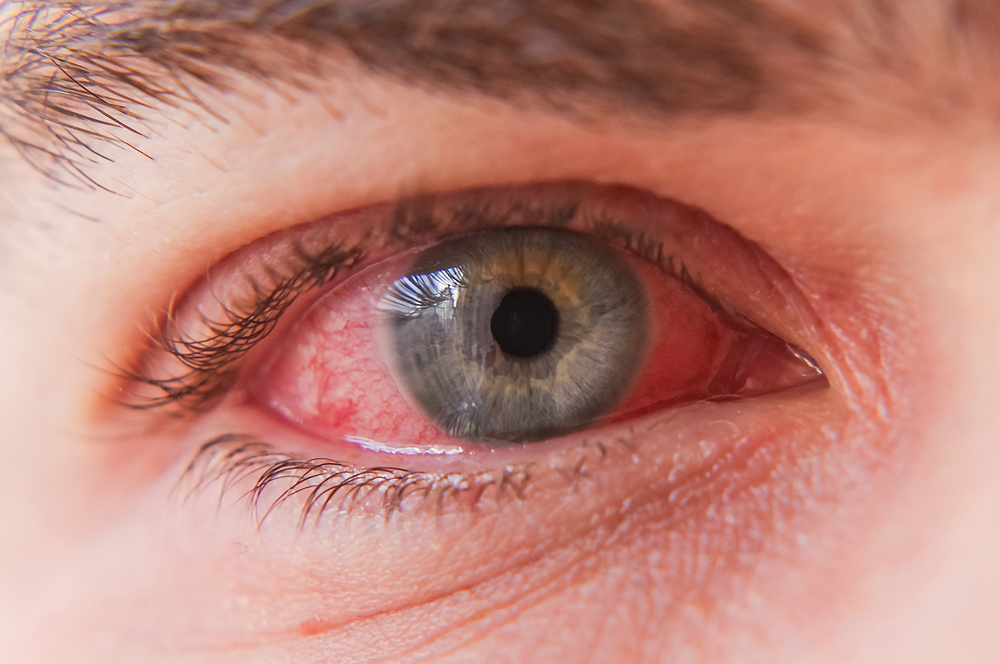
Pink eye, or conjunctivitis is when inflammation of the transparent membrane that lines the eyelid and eyeball occurs. This causes the whites of your eyes to appear red or pink. Conjunctivitis can be caused by viral infections, bacterial infections, allergic reactions, or incomplete opened tear ducts in infants. Conjunctivitis is very common. It is also contagious. It spreads through direct or indirect contact with the liquid that drains from the infected eye. One or both eyes may be infected. You can even spread the infection from one eye to the other. Acute conjunctivitis lasts shorter than four weeks. While chronic conjunctivitis lasts longer than four weeks.
The first signs of pink eye are usually the redness or pinkness of the whites of your eyes. Your eyelids may become puffy or droopy. You may also experience discharge from your eyes. This can be drainage, increased shedding of tears, or thick white or green discharge. One or both eyes may be infected at the same time. You may have a gritty feeling in the eye. Itching, irritation, or burning in the eyes can also occur. Eyelids may be matted together in the mornings from the drainage of discharge.
Usually conjunctivitis does not harm or change your vision. If left untreated, when medications are needed for too long some complications can occur. You may experience eye pain, feeling like something is stuck in your eye, blurred vision, or light sensitivity. If you have severe light sensitivity, blurred vision, severe eye pain, large amounts of discharge, or worsening symptoms that are not getting better you will want to seek a healthcare professional’s advice.
Conjunctivitis is easily spread. You will need to keep this in mind when returning to work, or school. Your child may be suggested to stay home until they have been on their antibiotics for at least 24 hours. If you can distance yourself, and use proper hygiene you may be able to return to work or school before the 24 timeframe. Here are some tips on how to have proper hygiene to help prevent the spread. Try to not touch the infected eye. Wash hands often. Use a clean towel and washcloth daily, do not share a washcloth or towel with anyone. Change your pillowcase often. Throw away old eye cosmetics. Do not share eye cosmetics or personal eye items.
A healthcare provider should be able to diagnose pink eye with just a physical exam and listening to your symptoms. Sometimes conjunctivitis is mild enough that it will go away on its own. There are some home remedies you can use to help manage symptoms. NSAIDs or corticosteroids can help with any eye pain you are having. Using a warm compress on your eyes can help manage any buildup of drainage or matter that is sticking on your eyelids or in your eyelashes. Artificial tears can help rinse out your eyes. If you are someone who wears contacts, switch and only wear glasses until the infection clears.
In some cases your doctor may prescribe medication to help clear up your infection. Antivirals may be prescribed, even though sometimes viral infections that cause conjunctivitis have no medications that heal them, certain ones will respond to antivirals. Antibiotics will be prescribed for a bacterial infection which will be either eyedrops, ointments, or pills. Antifungal medications are another medication that can be prescribed if conjunctivitis is caused by a fungus. Allergy medications such as over the counter antihistamines or decongestants can help alleviate allergy symptoms that can cause conjunctivitis. Immunosuppressants may also be prescribed if the conjunctivitis is caused by an immune response.
Viral infections usually last about two weeks. Bacterial infections can last about ten days. Depending on the severity will depend on the type of treatment you may need. Mild cases will resolve on their own. Conjunctivitis or pink eye causes the whites or your eyes to look red or pink. Causing discharge that comes from your eyes that can leave your eyes matted together in the mornings. It is a very common condition and is easily spread so making sure you practice good hygiene can help manage the spread. Make sure you wash hands, avoid touching infected eyes, and change pillowcases and towels. Conjunctivitis can occur in either one eye or both, and can even be spread from one eye to the next. Reach out to a healthcare provider if you start having vision problems or severe eye pain.
This website uses cookies to improve your experience. We'll assume you're ok with this, but you can opt-out if you wish.AcceptRejectRead More
Privacy & Cookies Policy
Privacy Overview
This website uses cookies to improve your experience while you navigate through the website. Out of these cookies, the cookies that are categorized as necessary are stored on your browser as they are essential for the working of basic functionalities of the website. We also use third-party cookies that help us analyze and understand how you use this website. These cookies will be stored in your browser only with your consent. You also have the option to opt-out of these cookies. But opting out of some of these cookies may have an effect on your browsing experience.