HealthSurgeon - Healthy Living and Fitness - Purium Coupon
Primary Navigation Menu
Multitasking – Is It Healthy?
Multitasking is the ability to perform multiple tasks or activities simultaneously or in rapid succession. It is a concept that is commonly used in the context of computing, as well as in the context of human behavior and psychology.
In computing, multitasking refers to the ability of an operating system or a computer to manage and execute multiple tasks or processes concurrently. This allows users to run multiple applications or programs on a single computer or device without having to wait for one task to finish before starting another. Multitasking in computers can be achieved through techniques like time-sharing, where the CPU rapidly switches between different tasks, or through multi-core processors, which can execute multiple tasks in parallel.
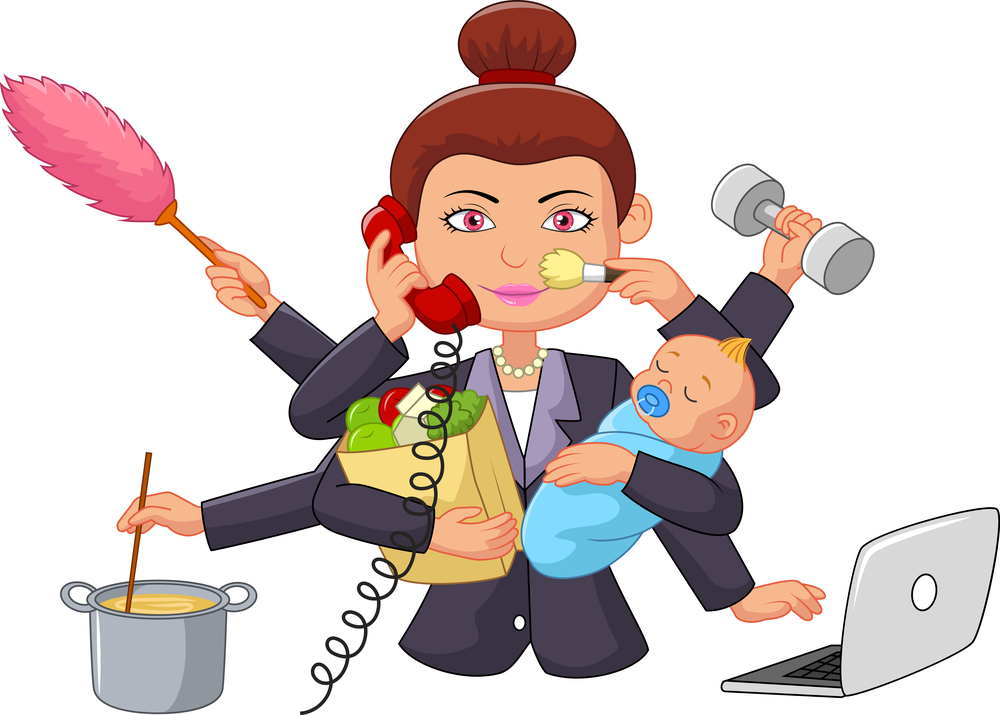
In the context of human behavior, multitasking refers to the ability to perform several tasks or activities at the same time or to switch between tasks quickly. This might include activities such as texting while driving, talking on the phone while cooking, or working on a computer while listening to music. While humans are capable of some degree of multitasking, research has shown that it can be less efficient and may lead to decreased performance and increased errors in certain situations. The brain’s ability to effectively handle multiple tasks simultaneously is limited, and excessive multitasking can lead to reduced concentration and productivity.
Multitasking can be a valuable skill in some situations, but it’s important to recognize its limitations and use it judiciously to avoid negative consequences, particularly when it comes to activities that require focused attention and safety, such as driving or critical decision-making.
Multitasking Benefits
Multitasking, when used judiciously and in the right context, can offer several benefits:
Increased Efficiency: Multitasking can help you accomplish more tasks in a shorter amount of time. It allows you to work on multiple projects, handle various responsibilities, and make progress on several fronts simultaneously.
Time Savings: When you can address multiple tasks at once, you can save time that would have been spent sequentially switching between tasks. This can be particularly valuable in a fast-paced work environment.
Flexibility: Multitasking can provide you with the flexibility to adapt to changing priorities and unexpected demands. It allows you to shift your focus quickly and respond to urgent matters.
Enhanced Productivity: For certain types of tasks that don’t require sustained, deep concentration, multitasking can boost productivity. This is especially true for routine, low-demand tasks.
Improved Time Management: Multitasking can be a part of effective time management, as it helps you allocate your time efficiently and ensure that multiple tasks receive attention.
Project Progress: Multitasking can be beneficial for projects that require input from multiple areas or team members. It allows you to coordinate and integrate efforts effectively.
Managing Interruptions: Multitasking can help you deal with interruptions without completely derailing your work. For instance, you can quickly handle an incoming email or phone call and then return to your primary task.
It’s important to note that the benefits of multitasking can vary depending on the nature of the tasks, the individual’s ability to manage multiple tasks effectively, and the context in which it is used. While multitasking can be advantageous in many situations, it’s essential to recognize its limitations and drawbacks, such as reduced focus, increased stress, potential for errors, and decreased overall performance when tackling complex or cognitively demanding tasks. As a result, it’s crucial to use multitasking judiciously and combine it with effective time management and prioritization techniques for optimal results.
Disadvantages of Multitasking
While multitasking can offer some benefits, it also comes with several disadvantages, and it’s important to be aware of these potential drawbacks:
Reduced Focus and Concentration: Multitasking often leads to a divided focus, which can result in reduced concentration on each individual task. This can lead to lower quality work and more errors, especially for complex or critical tasks.
Decreased Productivity: Juggling multiple tasks can lead to a decrease in overall productivity because of the time and mental effort required to switch between tasks. Each transition can lead to a “switching cost” as your brain adjusts to the new task.
Increased Stress: Managing multiple tasks simultaneously can be stressful and overwhelming, as it can create a constant sense of urgency and pressure. This stress can lead to burnout and reduced job satisfaction.
Higher Error Rates: Multitasking can increase the likelihood of making mistakes, especially for tasks that require attention to detail. Errors can occur when you lose track of the details or make hasty decisions.
Incomplete or Delayed Tasks: When you multitask, there’s a risk of leaving tasks incomplete or delaying their completion. This can result in missed deadlines and unmet obligations.
Impaired Memory and Learning: Multitasking can disrupt the process of encoding information into long-term memory. This means that you may retain less of what you’re working on and find it harder to learn new information.
Reduced Creativity: Multitasking can hinder creative thinking and problem-solving, as it requires a different mental state than the focused, deep thinking required for innovation.
Communication Problems: Multitasking during conversations, meetings, or presentations can lead to misunderstandings, missed information, and a lack of effective communication with others.
Safety Risks: Multitasking, such as texting while driving or walking, can pose serious safety risks and lead to accidents and injuries.
Negative Impact on Relationships: Constant multitasking, particularly with electronic devices, can erode the quality of personal relationships, as it may be perceived as inattentive or disrespectful behavior.
Cognitive Overload: Continuously multitasking can overwhelm your cognitive resources and lead to mental exhaustion, which can affect your overall well-being.
It’s important to recognize that not all tasks are suitable for multitasking. Some routine, low-demand tasks may benefit from multitasking, but complex, cognitively demanding tasks often suffer when divided attention is applied. Effective time management and task prioritization are often more beneficial for productivity and overall well-being than excessive multitasking. It’s crucial to evaluate the specific context and demands of your tasks to determine when multitasking is appropriate and when it is best avoided.
Multitasking Is Bad For Your Health
Excessive multitasking can harm your health in several ways. While the occasional and controlled multitasking may not have severe health consequences, chronic or intense multitasking can lead to a range of negative health effects, including:
Stress: Constantly juggling multiple tasks can be stressful. The brain perceives each task switch as a small stressor, and over time, this chronic stress can contribute to mental and physical health problems.
Mental Fatigue: Multitasking can lead to mental fatigue, making it harder to concentrate and solve problems. This can affect your overall cognitive abilities and memory.
Reduced Quality of Sleep: The stress and mental exhaustion caused by excessive multitasking can disrupt your sleep patterns, leading to reduced sleep quality and duration. Poor sleep, in turn, can have a detrimental impact on your overall health.
Increased Anxiety: Multitasking often creates a sense of urgency and pressure, leading to increased anxiety levels. This can affect your mental well-being and contribute to anxiety disorders over time.
Decreased Work-Life Balance: Multitasking can blur the boundaries between work and personal life, making it challenging to disconnect from work-related tasks and relax. This can lead to burnout and decreased overall life satisfaction.
Reduced Physical Health: For tasks that require physical coordination, such as texting while walking or driving, multitasking can lead to accidents and injuries, negatively impacting your physical health.
Negative Impact on Relationships: Continuously multitasking, particularly with electronic devices, can lead to a lack of attention and engagement in personal relationships, potentially damaging your social and emotional well-being.
Decreased Immune Function: Chronic stress and sleep disturbances resulting from multitasking can weaken the immune system, making you more susceptible to illnesses.
Habitual Distraction: Multitasking can create a habit of constant distraction, making it difficult to sustain focused attention when needed. This can affect your ability to engage in deep work or creative activities.
Impaired Decision-Making: When multitasking, you may not have the mental resources necessary to make well-informed and considered decisions, potentially leading to poor choices.
To mitigate these health risks, it’s essential to strike a balance between multitasking and focusing on individual tasks. Prioritizing tasks, setting boundaries, and practicing mindfulness can help reduce the negative impact of multitasking on your health. Additionally, taking breaks, managing stress, and maintaining a healthy work-life balance are crucial for overall well-being.
This website uses cookies to improve your experience. We'll assume you're ok with this, but you can opt-out if you wish.AcceptRejectRead More
Privacy & Cookies Policy
Privacy Overview
This website uses cookies to improve your experience while you navigate through the website. Out of these cookies, the cookies that are categorized as necessary are stored on your browser as they are essential for the working of basic functionalities of the website. We also use third-party cookies that help us analyze and understand how you use this website. These cookies will be stored in your browser only with your consent. You also have the option to opt-out of these cookies. But opting out of some of these cookies may have an effect on your browsing experience.