HealthSurgeon - Healthy Living and Fitness - Purium Coupon
Primary Navigation Menu
Ebola Health Care Worker in Royal Free Hospital
Understanding Ebola: Healthcare Workers on the Front Lines
The 2014 West African Ebola outbreak stands as one of the most significant public health emergencies in modern history. With over 7,693 confirmed deaths across Guinea, Liberia, and Sierra Leone, the epidemic tested global healthcare systems and highlighted the courage of healthcare workers who risked their lives to combat this deadly virus.
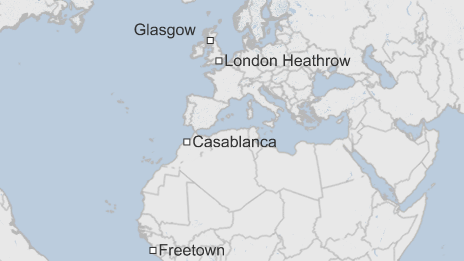
Healthcare workers face unique challenges when treating infectious diseases like Ebola. The virus spreads through direct contact with bodily fluids, making proper protective equipment and hygiene protocols essential. When a healthcare worker returned to Scotland from Sierra Leone and was diagnosed with Ebola, she was immediately transferred to London’s Royal Free Hospital with full protective measures.
How Ebola Spreads and Prevention Measures
Ebola virus disease (EVD) is transmitted through direct contact with blood or body fluids of infected individuals. The virus can survive on surfaces and clothing, making sanitation critical. Basic hygiene practices remain the first line of defense in areas without access to vaccines or advanced medical care.
The development of effective Ebola vaccines has been transformative. While the 2014 outbreak occurred before widespread vaccine availability, subsequent research led to approved vaccines that have helped control later outbreaks. Vaccine development typically requires years of research and clinical trials to ensure safety and efficacy.
Understanding how vaccines work alongside your body’s natural defenses is essential. Maintaining robust immune function through proper nutrition supports your body’s ability to respond to vaccines and fight infections. Consider reading about mitochondrial health and how cellular energy impacts immunity.
Supporting Healthcare Workers and Global Health
Thousands of healthcare workers and volunteers traveled to West Africa during the outbreak to provide medical care and support. Their dedication demonstrates the importance of international cooperation in addressing global health threats. Proper training, protective equipment, and mental health support are essential for those working in high-risk environments.
The Ebola outbreak provided valuable lessons about rapid response, international collaboration, and the importance of robust public health infrastructure. Early detection, contact tracing, and community education are critical components of containing infectious disease outbreaks.
This website uses cookies to improve your experience. We'll assume you're ok with this, but you can opt-out if you wish.AcceptRejectRead More
Privacy & Cookies Policy
Privacy Overview
This website uses cookies to improve your experience while you navigate through the website. Out of these cookies, the cookies that are categorized as necessary are stored on your browser as they are essential for the working of basic functionalities of the website. We also use third-party cookies that help us analyze and understand how you use this website. These cookies will be stored in your browser only with your consent. You also have the option to opt-out of these cookies. But opting out of some of these cookies may have an effect on your browsing experience.