HealthSurgeon - Healthy Living and Fitness - Purium Coupon
Primary Navigation Menu
Basil Natural Stress Relief | 7 Health Benefits
The Healing Power of Basil
Basil is more than just a flavorful herb for cooking—it’s a powerful natural remedy with scientifically-backed health benefits. Used for centuries in traditional medicine, particularly in Ayurvedic and Greek healing practices, basil continues to prove its worth as a therapeutic plant. From reducing stress to supporting heart health, this aromatic herb deserves a place in your wellness routine.
Natural Stress Relief
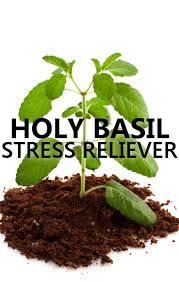
One of basil’s most notable benefits is its ability to reduce stress and anxiety. Basil contains adaptogenic compounds called phytochemicals that help lower cortisol, the body’s primary stress hormone. Studies published by the National Institutes of Health have shown that holy basil (Ocimum sanctum) can significantly reduce stress markers and promote a sense of calm. For additional natural ways to manage stress, consider foods that boost mood-supporting neurotransmitters.
Detoxification and Liver Support
Basil acts as a natural detoxifier, supporting both liver and kidney function. The herb’s phytonutrients help the body eliminate harmful toxins and protect against oxidative stress. Adding fresh basil to your water, tea, or meals can enhance your body’s natural cleansing processes. This makes basil an excellent complement to antioxidant-rich foods in your diet.
Anti-Inflammatory Properties
Basil contains powerful anti-inflammatory compounds including eugenol, citronellol, and linalool. These compounds can help reduce inflammation throughout the body, potentially relieving symptoms associated with arthritis and other inflammatory conditions. Research from Harvard Medical School indicates that chronic inflammation contributes to numerous health problems, making anti-inflammatory herbs like basil valuable additions to a healthy diet.
Cancer Prevention Potential
The high concentration of antioxidants in basil, including flavonoids and polyphenols, may help protect cells from damage and mutation. While more research is needed, preliminary studies suggest that basil’s phytochemicals could play a role in cancer prevention by neutralizing free radicals and supporting cellular health. Combining basil with other cancer-fighting foods may offer additional protective benefits.
Blood Sugar and Circulation Support
Basil contains cinnamic acid, a compound that helps regulate blood glucose levels and improve blood circulation. This makes basil particularly beneficial for people managing diabetes or prediabetes. Better circulation also supports respiratory health and cardiovascular function. For heart health support, consider how basil works alongside other natural remedies.
Rich in Essential Nutrients
Just one teaspoon of fresh basil provides approximately 10% of your daily recommended iron intake, comparable to spinach. Basil is also a good source of vitamin K, vitamin A, and manganese. These nutrients support blood clotting, vision, immune function, and bone health. Incorporating herbs like basil into your meals is an easy way to boost nutritional density.
Cardiovascular Health Benefits
The magnesium in basil helps regulate blood flow and prevent arterial constriction, supporting overall heart health. Additionally, basil has been shown to help lower LDL cholesterol levels, reducing the risk of heart attack and stroke. Combined with other heart-healthy herbs, basil can be part of a comprehensive approach to cardiovascular wellness.
How to Use Basil
Fresh basil can be added to salads, smoothies, pasta dishes, and teas. For maximum health benefits, use fresh basil rather than dried, as some beneficial compounds degrade during processing. You can also grow basil at home in a sunny window—it’s one of the easiest herbs to cultivate.
The Bottom Line
Basil is a versatile herb that offers numerous evidence-based health benefits. Whether you’re looking to reduce stress, support your heart, or simply add more nutrients to your diet, basil is an excellent choice. As with any herbal remedy, consult your healthcare provider before using basil therapeutically, especially if you’re taking medications or have existing health conditions.
This website uses cookies to improve your experience. We'll assume you're ok with this, but you can opt-out if you wish.AcceptRejectRead More
Privacy & Cookies Policy
Privacy Overview
This website uses cookies to improve your experience while you navigate through the website. Out of these cookies, the cookies that are categorized as necessary are stored on your browser as they are essential for the working of basic functionalities of the website. We also use third-party cookies that help us analyze and understand how you use this website. These cookies will be stored in your browser only with your consent. You also have the option to opt-out of these cookies. But opting out of some of these cookies may have an effect on your browsing experience.