HealthSurgeon - Healthy Living and Fitness - Purium Coupon
Primary Navigation Menu
Best Skincare Routine for Women Over 50: Tips for Glowing, Healthy Skin at Any Age
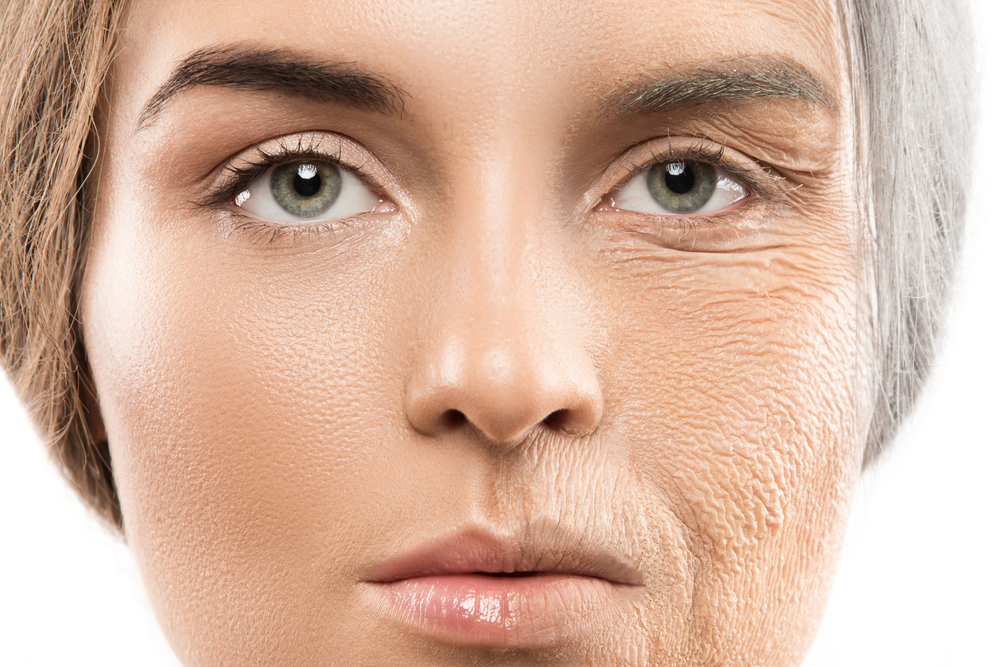
Aging is a natural and beautiful part of life, but as we pass the age of 50, our skin undergoes significant changes that require more targeted care. Hormonal shifts, collagen loss, decreased skin cell turnover, and dryness can all contribute to visible signs of aging such as fine lines, wrinkles, sagging, and uneven skin tone. However, with the right skincare routine and lifestyle habits, it’s absolutely possible to maintain glowing, healthy skin well into your 50s and beyond.
This comprehensive guide will walk you through the changes that happen to your skin after 50, the best ingredients and products to look for, and a daily skincare routine designed specifically for mature skin.
How Skin Changes After 50
Understanding what’s happening beneath the surface can help you make smarter skincare choices. Here are the most common changes experienced after age 50:
Loss of Collagen and Elastin
Collagen production decreases by about 1% per year after age 30, and this decline accelerates post-menopause. This leads to thinner skin, more pronounced wrinkles, and loss of firmness.
Smoking accelerates aging and dulls skin tone. Excess alcohol dehydrates and inflames the skin.
Regular Dermatologist Visits
Professional skin evaluations can help catch issues early and guide treatment options, including in-office treatments like microneedling, laser therapy, or chemical peels.
Best Ingredients for Mature Skin (Quick Reference)
Concern
Ingredients to Use
Wrinkles/Fine Lines
Retinol, Peptides, Vitamin C
Dryness
Hyaluronic Acid, Ceramides, Squalane
Uneven Tone
Niacinamide, Vitamin C, AHAs
Sagging Skin
Peptides, Retinol, Collagen Boosters
Sensitivity
Aloe Vera, Centella Asiatica, PHAs
Final Thoughts
Skincare after 50 doesn’t have to be complicated—it just needs to be intentional. With the right products, consistent habits, and a little self-care, you can nourish your skin and enhance your natural beauty at every stage of life. Aging gracefully isn’t about chasing youth—it’s about embracing your skin’s needs and giving it the love and attention it deserves.
This website uses cookies to improve your experience. We'll assume you're ok with this, but you can opt-out if you wish.AcceptRejectRead More
Privacy & Cookies Policy
Privacy Overview
This website uses cookies to improve your experience while you navigate through the website. Out of these cookies, the cookies that are categorized as necessary are stored on your browser as they are essential for the working of basic functionalities of the website. We also use third-party cookies that help us analyze and understand how you use this website. These cookies will be stored in your browser only with your consent. You also have the option to opt-out of these cookies. But opting out of some of these cookies may have an effect on your browsing experience.