HealthSurgeon - Healthy Living and Fitness - Purium Coupon
Primary Navigation Menu
The Effects of Stress on Sleep (and How to Counter Them)
The Stress-Sleep Vicious Cycle
Most of us have experienced it: a stressful day keeps you tossing and turning, then the next morning you’re groggy, irritable, and less equipped to handle whatever comes your way. That’s not just a feeling — it’s a documented feedback loop. High stress disrupts sleep, and poor sleep makes you far more vulnerable to stress the next day. The relationship is bidirectional, and once you’re in the cycle, it’s hard to break out without addressing both sides.
The numbers are sobering. One survey found that nearly half of all adults report feeling so anxious or restless that falling asleep is difficult at least a few nights every week. Another study put it more bluntly: one in three Americans regularly get less than the recommended seven hours of sleep. Meanwhile, stress and burnout are reaching epidemic proportions — one in four employees report being near burnout, and that’s before you factor in the physical toll of chronic sleep deprivation.
The health costs of under-six-hour nights are real. Adults who routinely sleep less than six hours have about a 13% higher mortality risk compared to those who get seven to eight hours. Sleep loss also doubles the risk of car accidents — not just from falling asleep at the wheel, but from slower reaction times and impaired judgment. On the flip side, getting that sweet spot of seven to eight hours is associated with roughly 29% higher productivity at work. The math is compelling.
Your Sleep Environment Matters More Than You Think
Before we get to stress management, let’s talk about the physical space you’re sleeping in. It sounds basic, but many people are sleeping in environments that are actively working against them.
Thread count isn’t just a marketing gimmick — it actually affects breathability. Sheets in the 200-800 range tend to offer the best balance of softness and airflow. Cotton is generally superior to synthetic blends for temperature regulation, which matters more at night than you’d think. And the color of your bedroom? It’s not just personal preference. Colors like creams, soft grays, and muted blues have been shown to promote relaxation, while bright, saturated colors can keep your nervous system in a heightened state.
Temperature plays a big role too. A cool room — around 65°F or so — is ideal. Your body naturally drops its core temperature when you fall asleep, and a cool environment supports that process. If your room is too warm, that cooling mechanism gets fighten, and you spend more time in light sleep.
Natural Stress Relief Strategies
The most effective way to break the stress-sleep cycle is to tackle the stress itself. Here are strategies that actually have evidence behind them.
Adaptogens
Adaptogens are natural compounds that help your body adapt to stress. Ashwagandha, for example, has several human trials showing it can lower cortisol levels and improve sleep quality. Rhodiola rosea has been used for centuries in traditional medicine and research suggests it may help reduce mental fatigue during stressful periods. The key is consistency — adaptogens don’t work like a sleeping pill. They build up over time and help recalibrate your stress response.
If you’re looking for an easy way to incorporate adaptogenic herbs and nutrients into your daily routine,
is a nutrient-dense option that supports your body’s natural stress response with magnesium and other minerals you need but often don’t get enough of.
Magnesium-Rich Foods
Magnesium is one of the most commonly deficient minerals in modern diets, and it plays a direct role in nervous system regulation. Foods like pumpkin seeds, almonds, spinach, and dark chocolate are all excellent sources. Magnesium helps activate the parasympathetic nervous system — the “rest and digest” state that’s the opposite of fight-or-flight.
Meditation and Breathwork
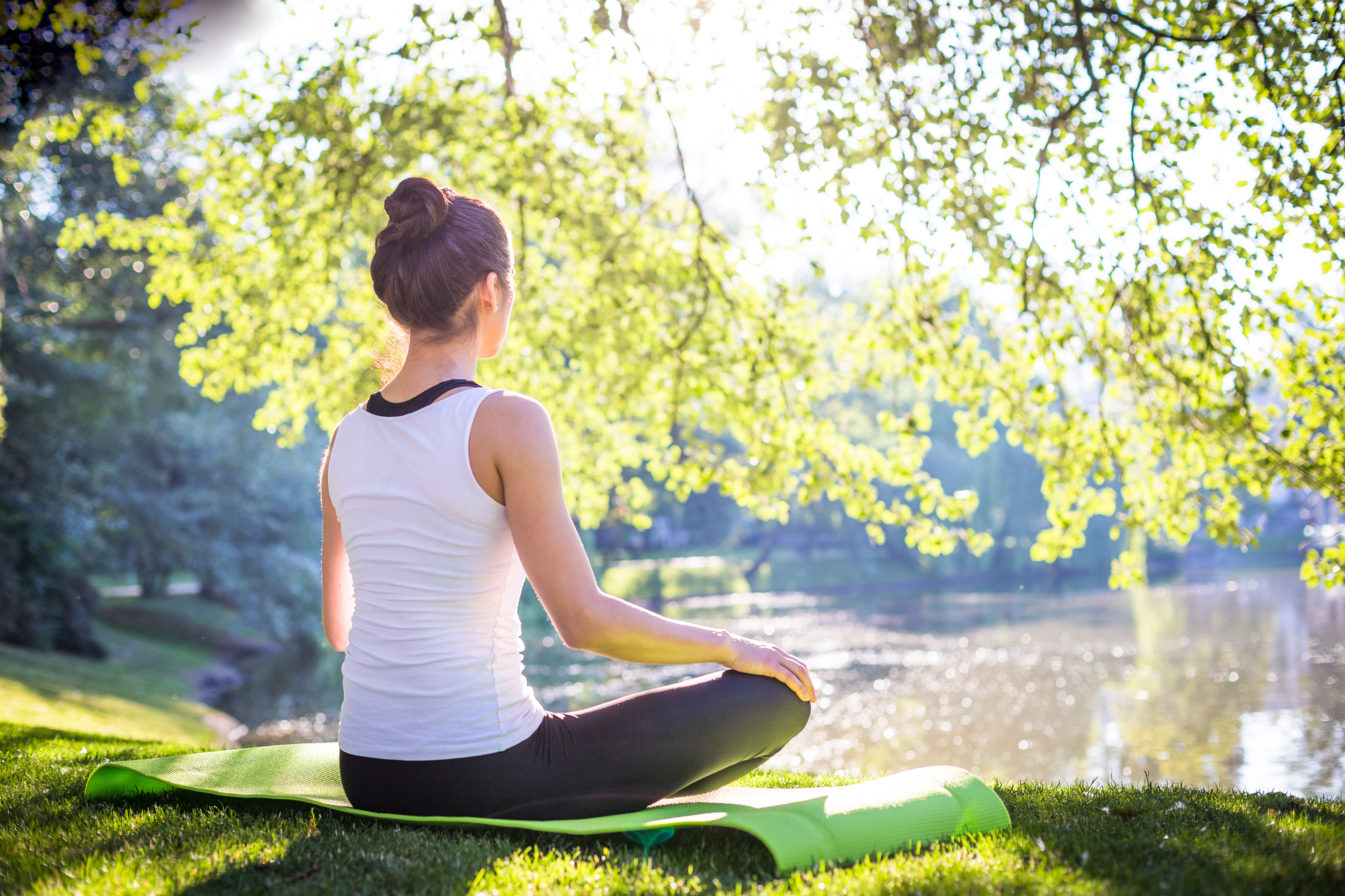
This gets a lot of lip service, but it works because it’s physiologically real. Deep, slow breathing activates the vagus nerve, which slows your heart rate and signals safety to your brain. Even five minutes of focused breathing before bed can significantly reduce the physiological markers of stress. You don’t need to be a meditation expert — just focus on extending your exhale slightly longer than your inhale, and you’ll activate the relaxation response.
Exercise
Regular physical activity is one of the most reliable ways to improve both stress tolerance and sleep quality. The timing matters, though. vigorous exercise within two hours of bedtime can actually make sleep harder because it raises your core temperature and adrenaline. Morning or afternoon workouts are best for sleep support. If you need something before bed, gentle stretching or a slow walk is better than HIIT.
Sleep Hygiene Basics
These are the foundations that most people get wrong, and they’re free.
Consistent schedule: Go to bed and wake up at roughly the same time every day, even on weekends. Your body’s circadian rhythm thrives on predictability, and irregular sleep times fragment your sleep architecture in ways you might not notice until you’re exhausted.
No screens before bed: Blue light from phones and tablets suppresses melatonin production — the hormone that tells your body it’s time to sleep. If you need to use devices, enable night mode or, better yet, set them aside 30-60 minutes before your target bedtime.
Caffeine cutoff: Caffeine has a half-life of about five to six hours, meaning if you have coffee at 4 PM, half of it is still in your system at 10 PM. For sensitive people, that can be the difference between restful sleep and tossing for hours. A 2 PM cutoff is a good rule of thumb.
Keep it cool and dark: We covered room temperature above, but darkness matters too. Even small amounts of light — from a streetlamp or a charging indicator — can disrupt melatonin production. Consider blackout curtains or a sleep mask if you can’t control your sleep environment.
When to See a Doctor
Most sleep issues can be addressed with lifestyle changes, but some signs mean it’s time to get professional help. If you’ve had difficulty falling or staying asleep for three weeks or more despite trying good sleep hygiene, that’s chronic insomnia and worth discussing with a healthcare provider.
Other red flags include:
Loud, chronic snoring: Could indicate sleep apnea, a condition where breathing repeatedly stops during sleep. It’s serious and treatable.
Extreme daytime sleepiness: Falling asleep during conversations, meals, or driving isn’t normal
Restless legs: An uncontrollable urge to move your legs, usually worse at night
Waking up gasping or choking: Classic sleep apnea symptom
Don’t ignore these. Sleep disorders are common and treatable, but they rarely resolve on their own.
Bottom Line
The stress-sleep connection is real, bidirectional, and deeply personal. What stresses you out might not stress someone else out, and your sleep needs are individual. But the fundamentals don’t change: manage your stress proactively, build a solid sleep routine, optimize your environment, and don’t hesitate to get help if things aren’t improving.
Small changes can have outsized effects. A consistent bedtime, a cooler room, and some time away from screens can be more effective than most people expect. And if you’re already doing all the basics and still struggling, that’s what doctors are for — there are treatments and interventions that can help when lifestyle changes alone aren’t enough.
This website uses cookies to improve your experience. We'll assume you're ok with this, but you can opt-out if you wish.AcceptRejectRead More
Privacy & Cookies Policy
Privacy Overview
This website uses cookies to improve your experience while you navigate through the website. Out of these cookies, the cookies that are categorized as necessary are stored on your browser as they are essential for the working of basic functionalities of the website. We also use third-party cookies that help us analyze and understand how you use this website. These cookies will be stored in your browser only with your consent. You also have the option to opt-out of these cookies. But opting out of some of these cookies may have an effect on your browsing experience.