So your triglycerides are high. Now what?
You get your bloodwork back, and there’s a number you barely knew existed: triglycerides. If yours is over 150 mg/dL, the official answer is “a little high.” Above 200 gets the elevated label, and 500+ is genuinely concerning. Mayo Clinic is pretty clear that high levels raise your odds of a heart attack or stroke.
Here’s the thing most people miss: triglycerides don’t measure what’s in your blood. They measure what you ate in the last 12 to 24 hours. That’s why this number moves so much, and why the fix lives in your kitchen, not your doctor’s office.
Where it comes from
Every calorie you don’t burn gets stored as a triglyceride, sitting in fat cells waiting for the next time you need energy. So the drivers are the classic ones:
- Sugar and refined carbs. White bread, pasta, chips, sweet snacks — your body converts excess sugar straight into fat.
- Alcohol. This one is direct. The liver has to process it before anything else, and triglycerides spike.
- Trans fats and excess calories overall. Weight gain and high triglycerides travel together.
If you want to understand what the numbers actually mean, I did the deep dive in what the triglyceride numbers mean. But the short version: treat this number like a report card on your last week of eating.
What actually lowers them
This isn’t complicated, and that’s both the good news and the annoying news.
Cut the added sugar. Soda, sweet tea, juice, candy. I wrote about what happened when I cut out sugar for four weeks, and the number one thing people ask about is drinks. Liquid calories are the easiest way to quietly add 400 calories a day. Ditch them first.
Swap refined carbs for real food. Oats, beans, vegetables, whole grains. Fiber slows sugar absorption and keeps you full, which means fewer total calories.
Move regularly. You don’t need to run marathons. Walking 30 minutes a day, or any steady aerobic movement, burns the stored fat that becomes triglycerides. Even simple weight loss tips like this outperform complicated plans.
Limit alcohol. If you drink, keep it modest. If your numbers are very high, keep it at zero until they improve.
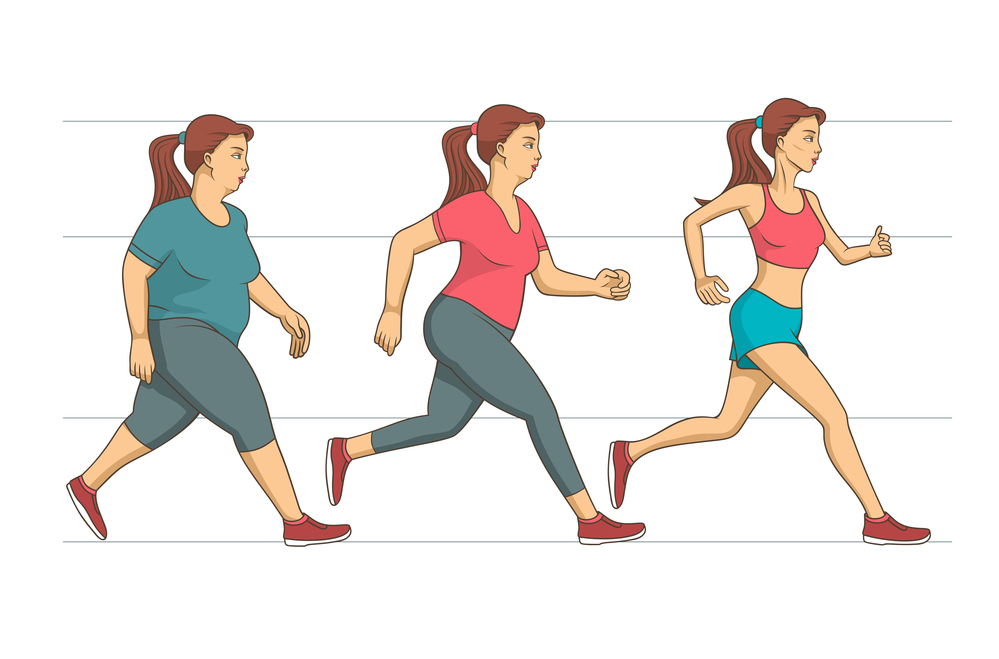
And here’s the headline most articles bury: losing just 5% to 10% of your body weight can drop triglycerides significantly. No crash diet, no starve-yourself approach — just sustainable weight loss over a few months.
The fats question
You do want some fat — good fat. Fatty fish, avocados and other healthy fats, nuts. These don’t raise triglycerides the way sugar does, and fish’s omega-3s may actually help lower them. Purium’s Heart Aid (
When to talk to a doctor
If you’ve changed your eating, moved daily, and cut back on the hard stuff, and your number is still climbing — get your lipids checked with a fasting sample, and ask about treatment. Statins and fibrates exist for a reason, and a number over 500 isn’t something you fix with salad alone. High triglycerides are also one of the early signals of metabolic problems that tend to cluster — better to find it now.
Bottom line: triglycerides are the most honest number on your lipid panel. They tell you exactly what the last few weeks of your diet did. Change the diet, watch the number move — it usually does within a month.
For daily vegetable coverage while you rebuild, Purium More Greens (
[asd_free_examples]