HealthSurgeon - Healthy Living and Fitness - Purium Coupon
Primary Navigation Menu
Spring Gardening: A Path to Better Nutrition and Health
As the frost melts and the days grow longer, spring heralds a season of growth and renewal. It’s the perfect time to get your hands dirty and plant a garden. Beyond being a rewarding hobby, gardening is a powerful tool for improving your nutrition and overall well-being. Growing your own fruits, vegetables, and herbs provides fresh, nutrient-rich foods while encouraging a deeper connection to what you eat. This article explores how spring gardening can transform your diet, boost your health, and nurture a healthier lifestyle.
The Benefits of Gardening for Nutrition
Gardening offers a host of benefits that extend beyond the pleasure of tending to plants. Here’s how gardening can positively impact your nutrition:
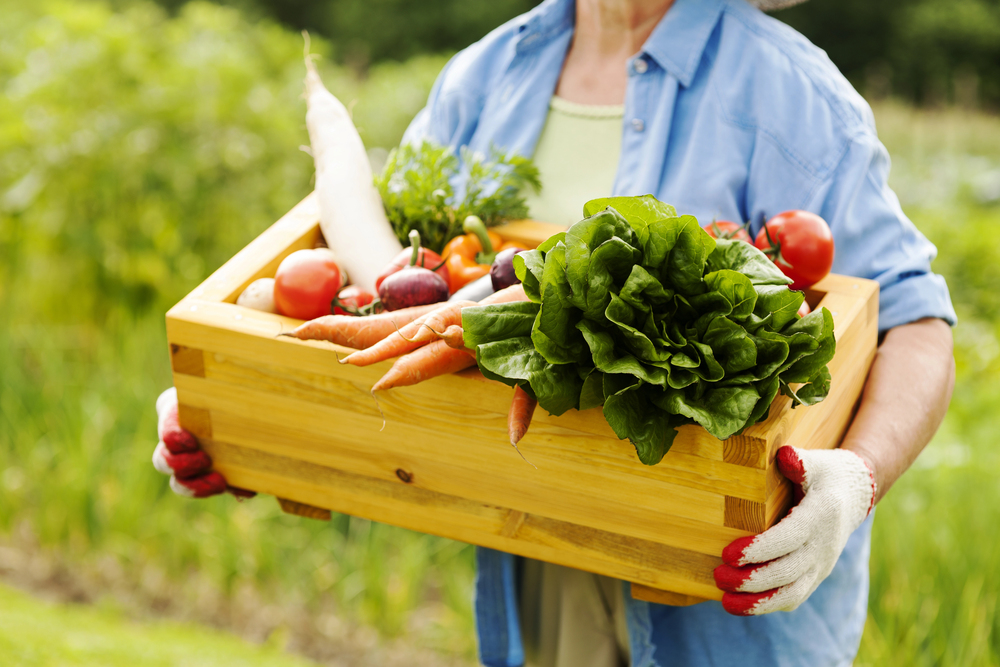
Access to Fresh Produce: Homegrown fruits and vegetables are often fresher and more nutrient-dense than store-bought options. You have full control over how they are grown, ensuring they are free of harmful pesticides and additives.
Seasonal Eating: Growing your own food encourages you to eat seasonally, which often means consuming produce at its peak nutritional value.
Improved Dietary Variety: Planting a garden introduces you to new vegetables, herbs, and fruits, which can diversify your diet and provide a broader range of nutrients.
Reduction in Processed Foods: When you have access to fresh ingredients, you’re more likely to cook at home, reducing reliance on processed and packaged foods.
Starting Your Spring Garden
Starting a spring garden is easier than you might think, and it doesn’t require a large backyard. Whether you have a sprawling lawn, a balcony, or a small windowsill, you can grow a variety of plants to enhance your nutrition.
Choose Your Crops Wisely
Select fruits, vegetables, and herbs that thrive in spring weather and align with your dietary preferences. Some great options include:
Leafy Greens: Spinach, kale, and lettuce grow quickly and are packed with vitamins A, C, and K.
Root Vegetables: Carrots, radishes, and beets are easy to grow and rich in essential nutrients like fiber and potassium.
Herbs: Basil, parsley, cilantro, and mint add flavor to dishes and provide antioxidants.
Fruits: Strawberries and blueberries are delicious and loaded with vitamins and minerals.
Prepare Your Soil
Healthy soil is the foundation of a thriving garden. Enrich your soil with compost or organic matter to provide the nutrients your plants need. Test your soil’s pH and adjust it as necessary to ensure optimal growing conditions.
Plan Your Layout
Maximize your garden’s yield by planning your layout. Consider:
Companion Planting: Certain plants grow better together and can deter pests. For example, planting basil near tomatoes can enhance their growth.
Crop Rotation: Rotate crops each season to maintain soil health and reduce the risk of pests and diseases.
Vertical Gardening: Use trellises or stakes to grow vining plants like peas and beans if space is limited.
Water and Sunlight
Most garden plants require at least 6-8 hours of sunlight per day. Water your garden consistently, especially during dry spells, to keep the soil moist but not waterlogged.
The Nutritional Rewards of Gardening
Harvesting your own produce is incredibly satisfying and comes with significant nutritional rewards. Here are some key benefits of the fresh fruits and vegetables you grow:
Higher Nutrient Content: Homegrown produce is often harvested at its peak ripeness, preserving its nutrient content. Commercial produce may lose nutrients during storage and transportation.
Rich in Fiber: Fresh fruits and vegetables are excellent sources of dietary fiber, which aids digestion and promotes a healthy gut.
Antioxidant Powerhouses: Many garden vegetables, such as tomatoes and bell peppers, are rich in antioxidants that combat inflammation and support overall health.
Low in Calories, High in Volume: Vegetables and fruits are nutrient-dense and low in calories, making them perfect for weight management and overall health.
Gardening as Exercise
Tending to a garden is a form of moderate physical activity that burns calories and strengthens muscles. Activities such as digging, planting, weeding, and watering can:
Gardening not only feeds your body but also provides a workout that supports your overall fitness.
Incorporating Your Harvest into Your Diet
Once your garden starts producing, incorporate your harvest into your meals to maximize its nutritional benefits. Here are some ideas:
Salads: Use fresh lettuce, spinach, and arugula as the base for nutrient-packed salads. Add herbs like parsley and mint for flavor.
Smoothies: Blend fruits like strawberries and blueberries with leafy greens for a refreshing, vitamin-rich drink.
Herb-Infused Dishes: Use basil in pesto, cilantro in tacos, or dill in dressings to add a burst of flavor and nutrients.
Roasted Vegetables: Roast carrots, beets, and other root vegetables with olive oil for a delicious side dish.
Teaching Nutrition Through Gardening
Gardening is also a fantastic way to teach children and adults about the importance of nutrition. By growing their own food, people gain a deeper appreciation for fresh produce and are more likely to make healthier dietary choices.
Overcoming Challenges
Gardening comes with its challenges, such as pests, diseases, and unpredictable weather. Use these tips to overcome obstacles:
Natural Pest Control: Introduce beneficial insects like ladybugs or use organic sprays to protect your plants.
Weather Protection: Use row covers or cold frames to shield your plants from unexpected frosts.
Consistent Care: Dedicate time each week to tend to your garden to ensure its success.
Conclusion
Spring gardening is a rewarding way to improve your nutrition and overall health. By growing your own fruits, vegetables, and herbs, you gain access to fresh, nutrient-dense foods that enhance your diet and promote well-being. The physical activity involved in gardening also supports fitness, while the connection to nature nurtures your mental health. Whether you have a large garden or a small balcony, embracing spring gardening can transform your lifestyle and help you cultivate healthier habits for years to come.
This website uses cookies to improve your experience. We'll assume you're ok with this, but you can opt-out if you wish.AcceptRejectRead More
Privacy & Cookies Policy
Privacy Overview
This website uses cookies to improve your experience while you navigate through the website. Out of these cookies, the cookies that are categorized as necessary are stored on your browser as they are essential for the working of basic functionalities of the website. We also use third-party cookies that help us analyze and understand how you use this website. These cookies will be stored in your browser only with your consent. You also have the option to opt-out of these cookies. But opting out of some of these cookies may have an effect on your browsing experience.