HealthSurgeon - Healthy Living and Fitness - Purium Coupon
Primary Navigation Menu
Foods that Boost Dopamine and Serotonin – Natural Ways To Get Rid of Mild Depression
“`html
Boosting Your Mood: Dietary and Lifestyle Tips for Mild Depression
Boosting Your Mood: Dietary and Lifestyle Tips for Mild Depression
While depression is a complex issue requiring professional help in many cases, adopting healthy lifestyle choices can play a significant role in managing mild, persistent feelings of sadness or low mood. This article explores dietary and lifestyle adjustments that may help alleviate some symptoms of mild depression.
Understanding Mild Depression
Mild depression can manifest as a persistent lack of interest in activities you once enjoyed. This often stems from an imbalance of neurotransmitters in the brain, particularly dopamine and serotonin. These chemicals are crucial for regulating mood, pleasure, and overall well-being. When their production decreases, feelings of sadness, apathy, and difficulty experiencing joy can emerge.
Dietary Strategies to Support Mood
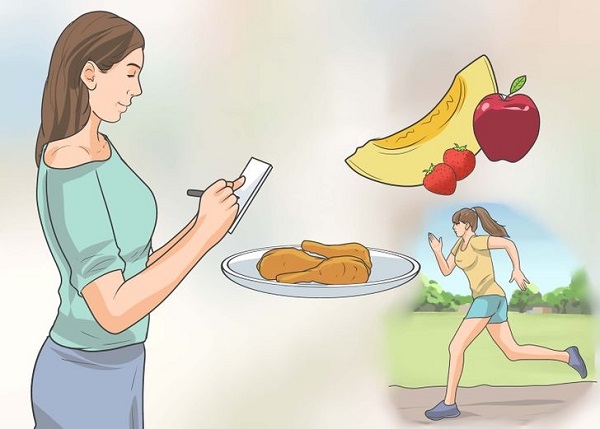
The food we consume directly impacts our brain chemistry. Incorporating certain nutrients into your diet can help support the production of key neurotransmitters.
Complex Carbohydrates for Serotonin Production
Complex carbohydrates help stimulate the production of serotonin. Consider adding these to your diet:
Starchy Potatoes
Whole Wheat Bread
Cereal (whole grain options)
Pasta (whole wheat or brown rice varieties)
Brown Rice
Corn
Carrots
Foods to Boost Dopamine and Libido
To support dopamine production and a healthy libido, include these foods in your diet:
Meat
Poultry
Dairy Products
Almonds
Avocados
Bananas
Pumpkin Seeds
Sesame Seeds
Vitamin B and Omega-3 Fatty Acids for Enhanced Mood
Vitamin B and Omega-3 fatty acids are crucial for overall brain health and mood regulation. Good sources include:
Vitamin B: Leafy Green Vegetables, Black Beans
Omega-3 Fatty Acids: Tuna, Salmon, and other fatty fish
Lifestyle Adjustments for Mood Improvement
In addition to dietary changes, incorporating regular exercise and stress-reducing activities can significantly impact your mood.
Exercise for Stress Reduction and Testosterone Boost
Regular physical activity helps alleviate stress and can increase testosterone levels. Aim for:
25 minutes on the treadmill
Joining a sports club
Engaging in any physical activity you enjoy
Meditation and Yoga for Stress Relief
Meditation and yoga are effective techniques for reducing stress and promoting relaxation. Try this simple meditation exercise:
Find a quiet space and close your eyes.
Play soothing music or nature sounds.
Focus on your breath, inhaling deeply and exhaling slowly for 30 minutes.
Important Considerations
These suggestions are intended to support mild depression. If you are experiencing severe or persistent symptoms, it is crucial to consult with a healthcare professional. They can provide a proper diagnosis and recommend the most appropriate treatment plan, which may include therapy, medication, or other interventions. This article is not a substitute for professional medical advice.
Take a Self-Assessment
Take The Depression Quiz here! (This is a placeholder link – consult a mental health professional for accurate assessment.)
This website uses cookies to improve your experience. We'll assume you're ok with this, but you can opt-out if you wish.AcceptRejectRead More
Privacy & Cookies Policy
Privacy Overview
This website uses cookies to improve your experience while you navigate through the website. Out of these cookies, the cookies that are categorized as necessary are stored on your browser as they are essential for the working of basic functionalities of the website. We also use third-party cookies that help us analyze and understand how you use this website. These cookies will be stored in your browser only with your consent. You also have the option to opt-out of these cookies. But opting out of some of these cookies may have an effect on your browsing experience.