HealthSurgeon - Healthy Living and Fitness - Purium Coupon
Primary Navigation Menu
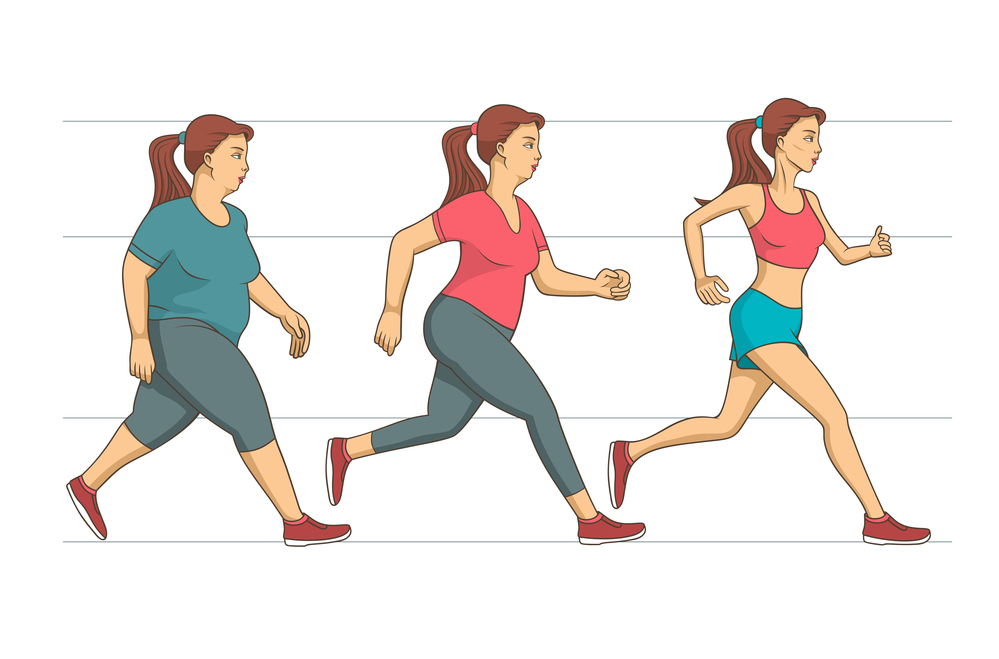
How to Lose 30 Pounds Fast in 3 Months with Exercise
The Honest Truth About Losing 30 Pounds in 3 Months
Thirty pounds in three months. That is roughly 2.5 pounds a week. It is an ambitious goal, and I am going to be straight with you: it is not for everyone. The Mayo Clinic recommends a safe, sustainable weight loss of 1 to 2 pounds per week. Pushing toward the higher end of that range requires commitment, planning, and a willingness to change some habits you might have grown comfortable with. But it is absolutely possible if you approach it systematically.
How the Math Actually Works
Here is the basic science, stripped of marketing fluff. One pound of body fat equals roughly 3,500 calories. To lose 2 pounds a week, you need a daily deficit of about 1,000 calories. That number comes from adding together what you cut from your diet and what you burn through exercise. You do not have to do it all in one lane — mixing diet changes with physical activity is more sustainable and, frankly, more enjoyable.
The first step is knowing your starting point. Calculate your total daily energy expenditure (TDEE), which is the number of calories your body burns at rest plus activity. Then eat below that number by about 500 to 750 calories, and aim to burn another 250 to 500 calories through exercise. The CDC also recommends tracking your intake — apps like Noom or even a simple spreadsheet can help you stay aware of what you are putting in your mouth. You would be surprised how invisible calories add up — a handful of nuts, a drizzle of olive oil, a glass of juice — they all count, and tracking them removes the guesswork.
Meal Planning That Actually Sticks
Meal planning does not mean eating bland chicken and broccoli every night. It means getting ahead of yourself so hunger does not make poor decisions. Start with a foundation of green foods — they are packed with nutrients that keep your metabolism humming. A greens powder supplement like Bio-Fruit Greens can fill in gaps on busy days when cooking from scratch is not an option, giving you a concentrated dose of vitamins and minerals you might otherwise miss.
Protein should be at the center of every meal. It keeps you full longer and helps preserve muscle mass while you lose fat. Bananas are a great snack for energy and potassium, but they should complement a broader diet — not replace the whole thing. Splitting your food into six smaller meals instead of three large ones can help you manage hunger and avoid the afternoon crash. Never skip breakfast. It sets the tone for the day and prevents the binge-and-burn cycle that derails so many diets.
The Water Rule
Drink two to three liters of water every day. This is not a suggestion — it is one of the highest-leverage things you can do. Water supports your metabolism, helps control hunger, and often, what you think is hunger is actually thirst. Managing sugar cravings starts with hydration and consistent meals. Cut back on cakes, chocolates, and ice cream, but do not eliminate joy entirely. The best diet is the one you can maintain.
Exercise Without Obsession
You do not need to train like an athlete. You need consistency. Aim for a 500-calorie burn through movement most days of the week. That can be 45 minutes of brisk walking, 30 minutes of cycling, or a mix of strength training and cardio. Variety matters — it keeps you interested and hits different muscle groups. Try low-carb approaches if they appeal to you, but do not treat any single diet as gospel. What works for one person may not work for another.
Think of it this way: three months is enough time to see real change, but it is not enough time to get complacent. Small habits compound fast. Stick with the plan, track your progress, and adjust when something is not working. The evidence is clear — lifestyle changes beat quick fixes every time. And if anxiety or stress is making adherence harder, consider looking into natural adaptogens that can help your body manage stress without adding new medications to the mix.
Results will vary depending on your starting weight, age, and activity level. The key is to start, stay consistent, and trust the process.
This website uses cookies to improve your experience. We'll assume you're ok with this, but you can opt-out if you wish.AcceptRejectRead More
Privacy & Cookies Policy
Privacy Overview
This website uses cookies to improve your experience while you navigate through the website. Out of these cookies, the cookies that are categorized as necessary are stored on your browser as they are essential for the working of basic functionalities of the website. We also use third-party cookies that help us analyze and understand how you use this website. These cookies will be stored in your browser only with your consent. You also have the option to opt-out of these cookies. But opting out of some of these cookies may have an effect on your browsing experience.