HealthSurgeon - Healthy Living and Fitness - Purium Coupon
Primary Navigation Menu
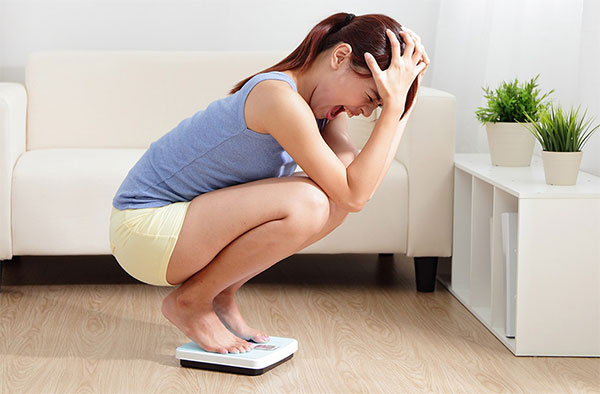
4 Possible Reasons Why You Are Still Not Losing Weight
Common Weight Loss Obstacles You May Be Overlooking
You’re tracking calories, hitting the gym regularly, and avoiding junk food—yet the scale refuses to budge. If this sounds familiar, you’re not alone. Weight loss plateaus affect millions of people who are doing “everything right.” The truth is, several hidden factors may be sabotaging your progress without you realizing it.
1. You’re Eating More Than You Think
Mindless snacking, generous portion sizes, and underestimating calorie-dense foods can quickly derail your deficit. Even healthy foods add up. According to the CDC, understanding your actual caloric needs versus intake is fundamental to sustainable weight loss. Calculate your Basal Metabolic Rate to understand how many calories your body truly needs at rest.
2. You’re Not Drinking Enough Water
Dehydration slows metabolism and is often mistaken for hunger. Research shows that drinking adequate water—typically 3 liters per day—can enhance fat burning and reduce appetite. Water also helps flush out toxins and supports every metabolic process in your body.
3. You’re Doing Only Cardio
While cardio burns calories during exercise, resistance training builds muscle mass that burns calories 24/7. If you’re only running or cycling, you’re missing out on the metabolic boost that comes from increased lean muscle. Learn ways to boost body metabolism through strength training and strategic exercise.
4. Sleep Deprivation is Wrecking Your Hormones
According to research published in PMC, inadequate sleep disrupts ghrelin (hunger hormone) and leptin (satiety hormone), making you hungrier and less satisfied after meals. Poor sleep also elevates cortisol, a stress hormone that promotes fat storage, especially around the midsection. Aim for 7-9 hours of quality sleep nightly.
5. Medications May Be Working Against You
Certain medications—including beta-blockers, antidepressants, steroids, and insulin—can cause weight gain as a side effect. If you’ve recently started a new prescription and noticed the scale creeping up, consult your doctor about alternatives or dosage adjustments.
6. Underlying Thyroid Issues
Hypothyroidism slows your metabolism significantly, making weight loss extremely difficult despite diet and exercise efforts. Symptoms include fatigue, cold sensitivity, and unexplained weight gain. If you suspect thyroid dysfunction, ask your doctor for a TSH test.
7. You’re Gaining Muscle While Losing Fat
The scale measures total body weight—not body composition. If you’re strength training, you may be building muscle while losing fat, resulting in little to no change in scale weight. Use measurements, progress photos, and how your clothes fit as better indicators of success.
8. Your Non-Exercise Activity is Too Low
NEAT (Non-Exercise Activity Thermogenesis)—the calories burned through daily movement like walking, fidgeting, and standing—can account for hundreds of calories per day. A sedentary job or lifestyle outside the gym significantly reduces your total daily energy expenditure.
The Bottom Line
Sustainable weight loss typically means losing 1-2 pounds per week. If you’re exercising but not losing weight, consider these often-overlooked factors. Conditions like PCOS and obesity-related diabetes may also require specialized approaches. Be patient, stay consistent, and remember that fat loss isn’t always reflected immediately on the scale.
This website uses cookies to improve your experience. We'll assume you're ok with this, but you can opt-out if you wish.AcceptRejectRead More
Privacy & Cookies Policy
Privacy Overview
This website uses cookies to improve your experience while you navigate through the website. Out of these cookies, the cookies that are categorized as necessary are stored on your browser as they are essential for the working of basic functionalities of the website. We also use third-party cookies that help us analyze and understand how you use this website. These cookies will be stored in your browser only with your consent. You also have the option to opt-out of these cookies. But opting out of some of these cookies may have an effect on your browsing experience.